What it is?
About Oral Semaglutide
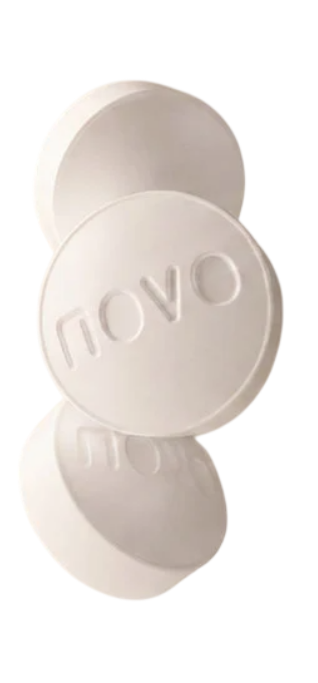
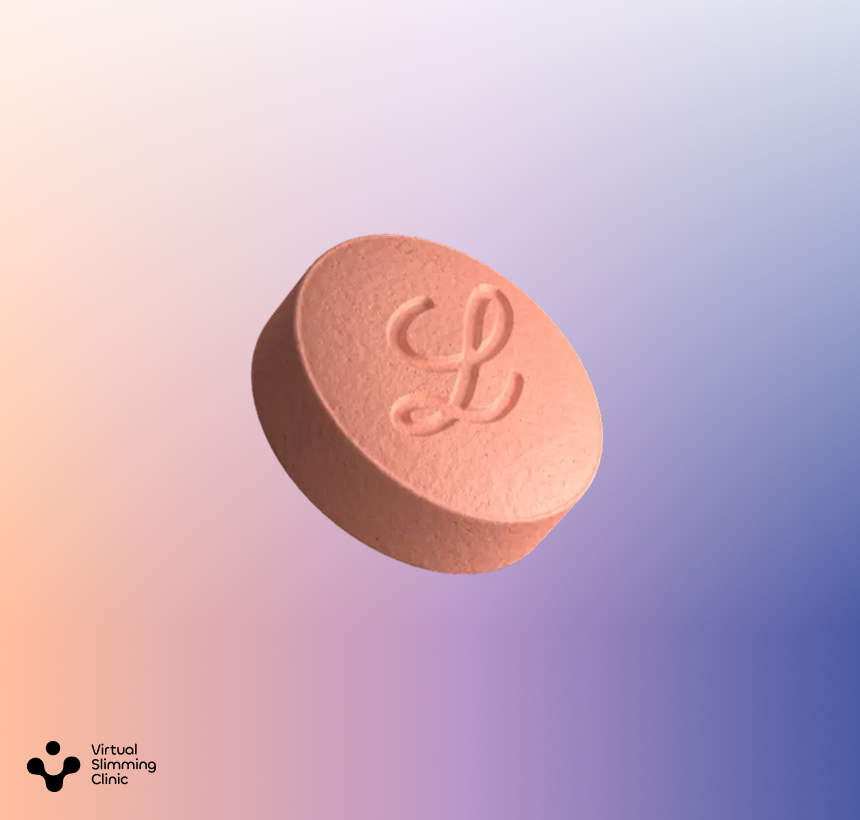
The first oral GLP-1 licensed for weight management in the UK. The same proven active ingredient as the injection — now in a once-daily tablet.
Once daily
Prescription only
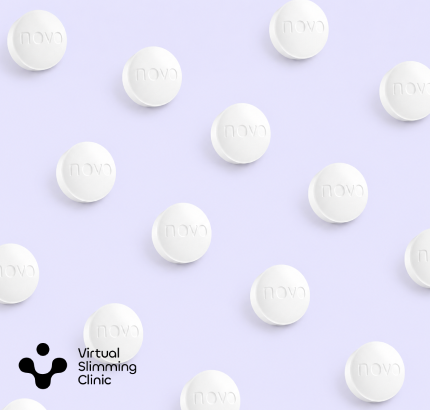
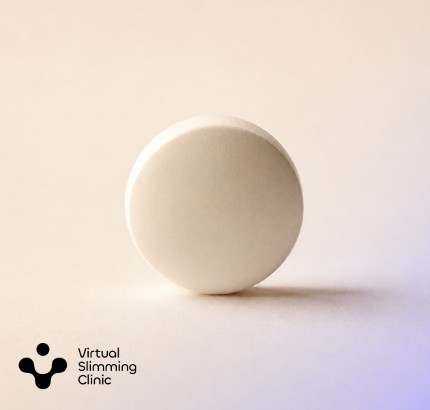
Oral semaglutide tablet
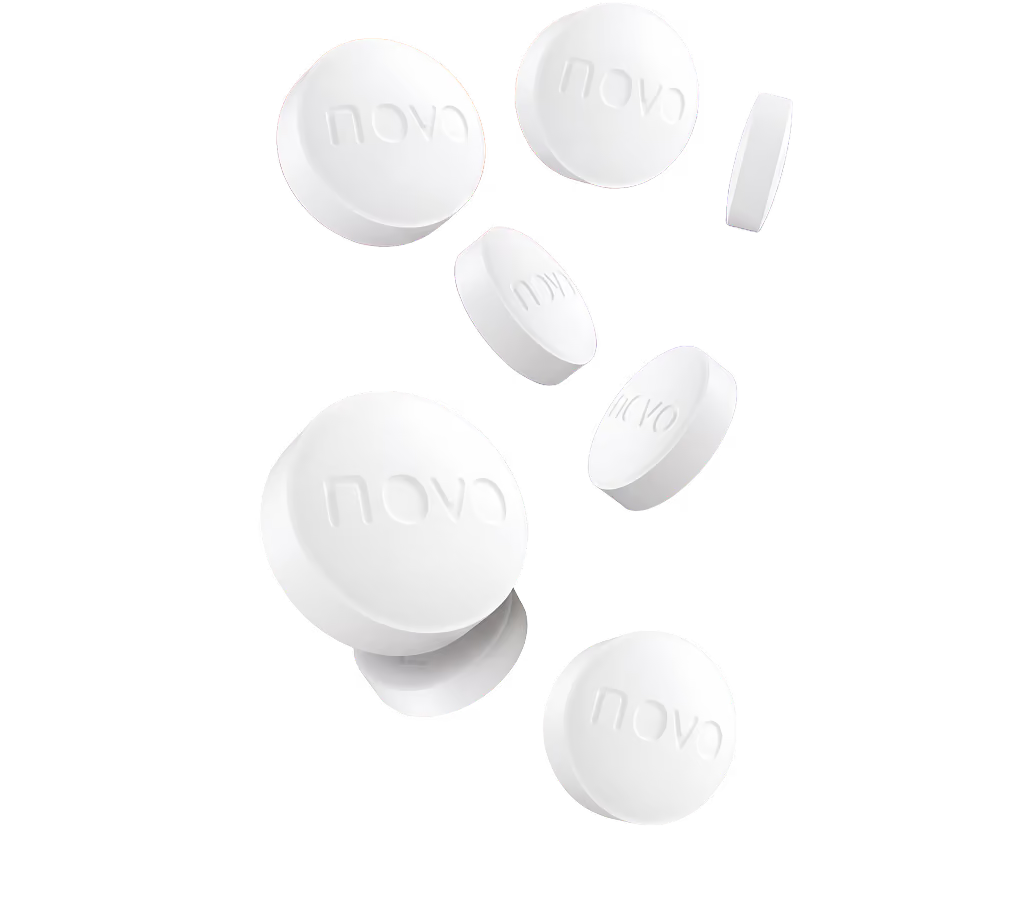
No needles. One pill, once a day
Fits into your morning, before the day begins.
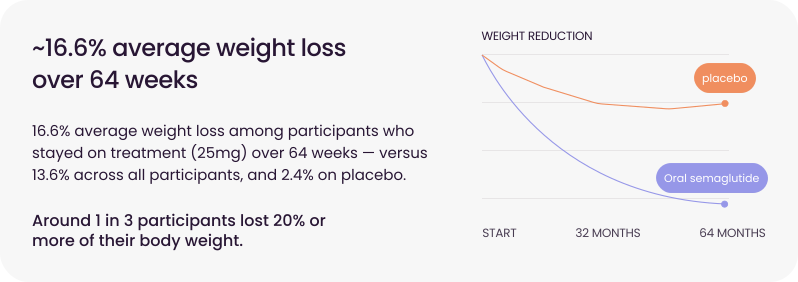
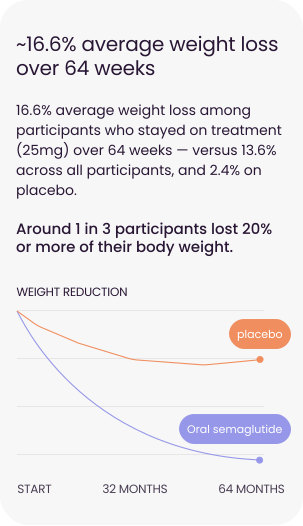
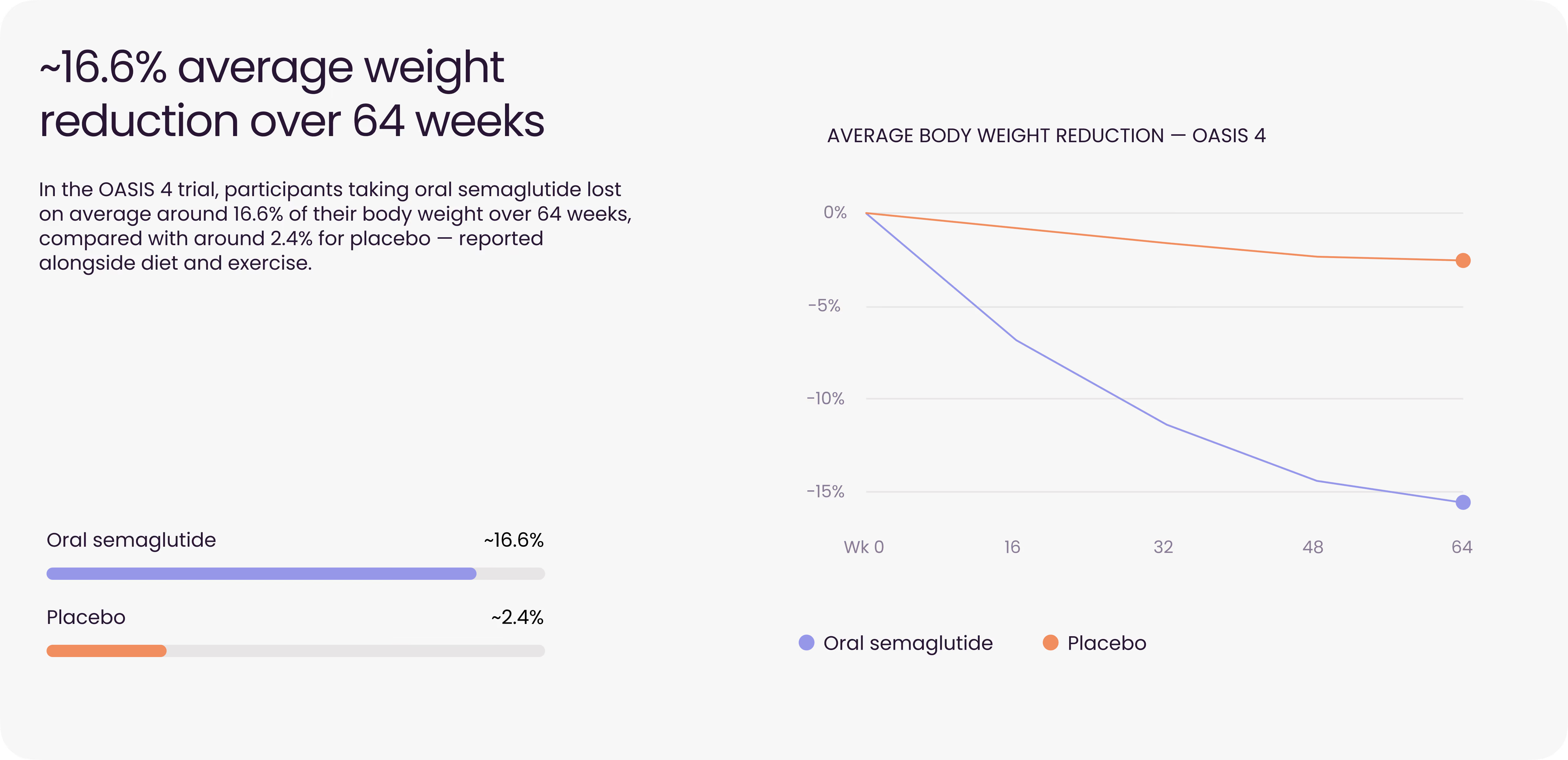
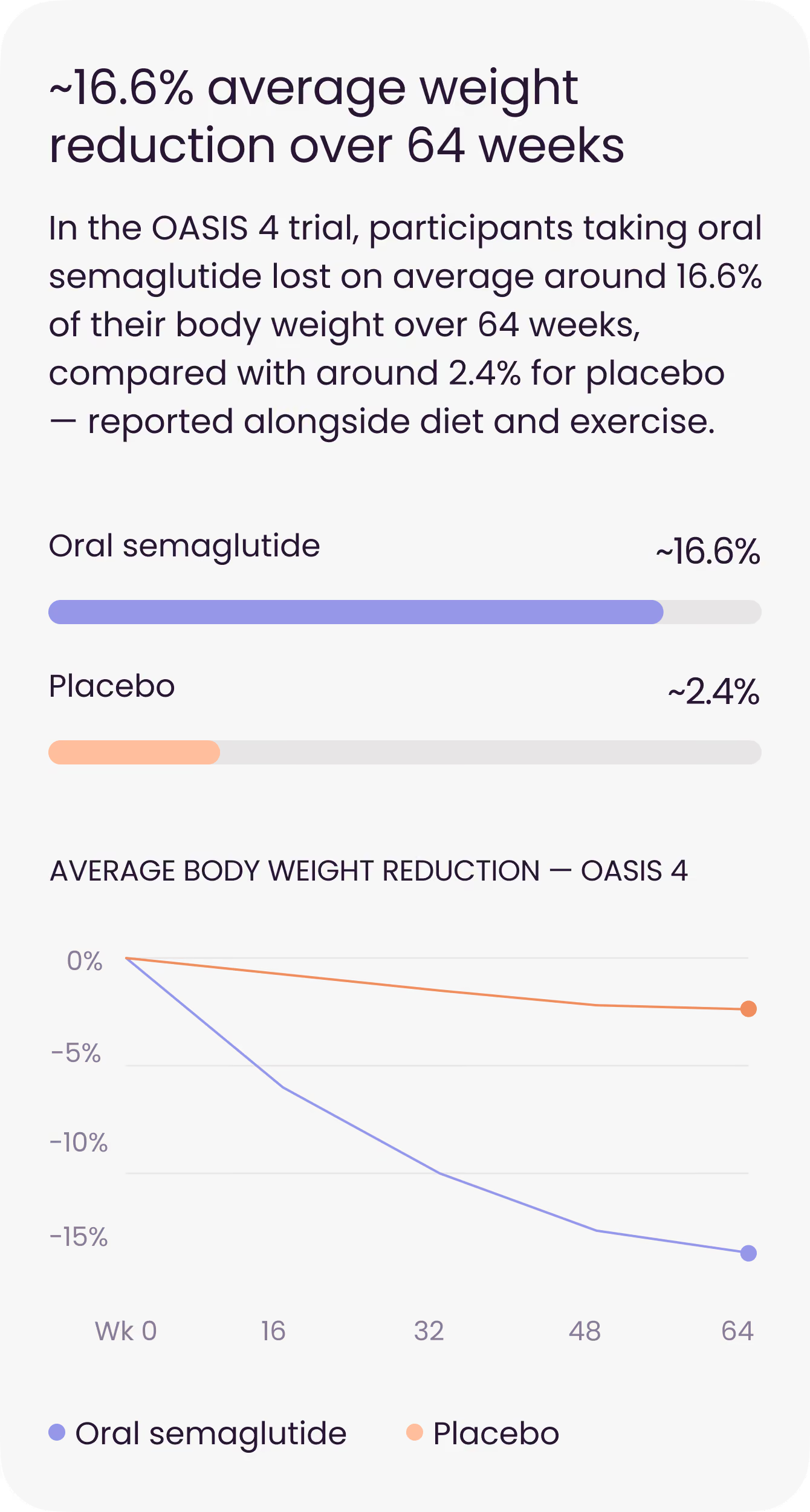
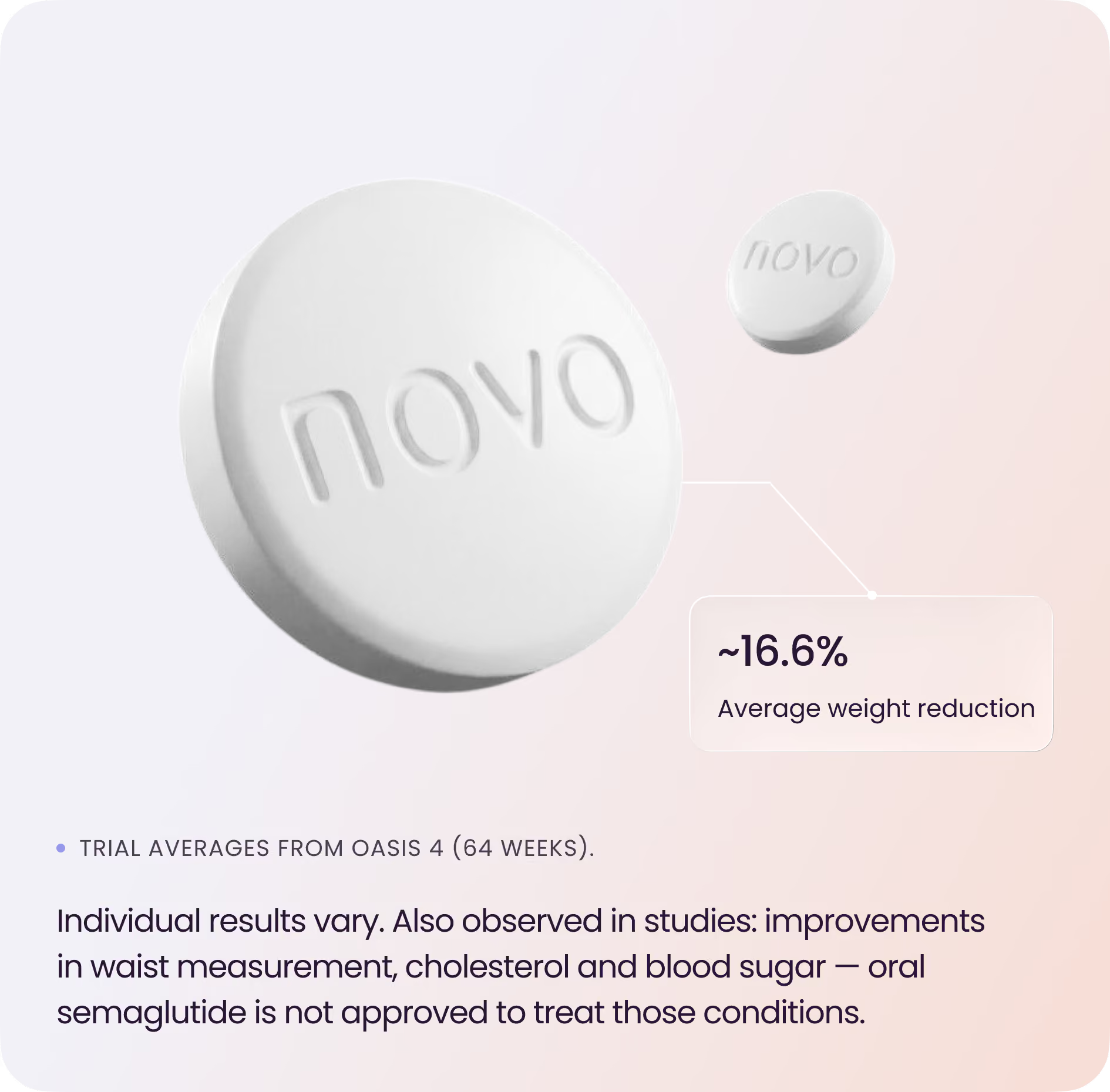
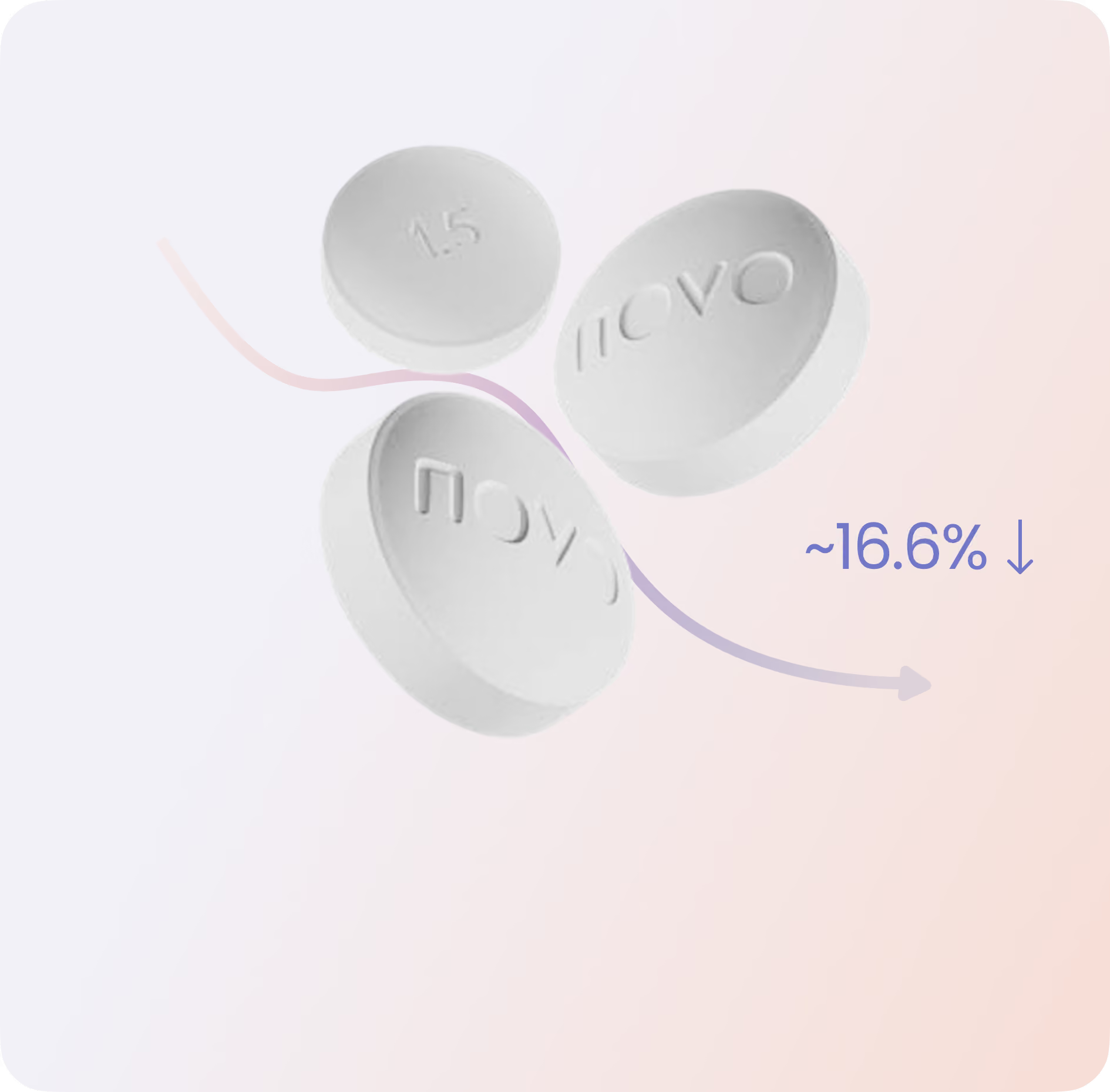
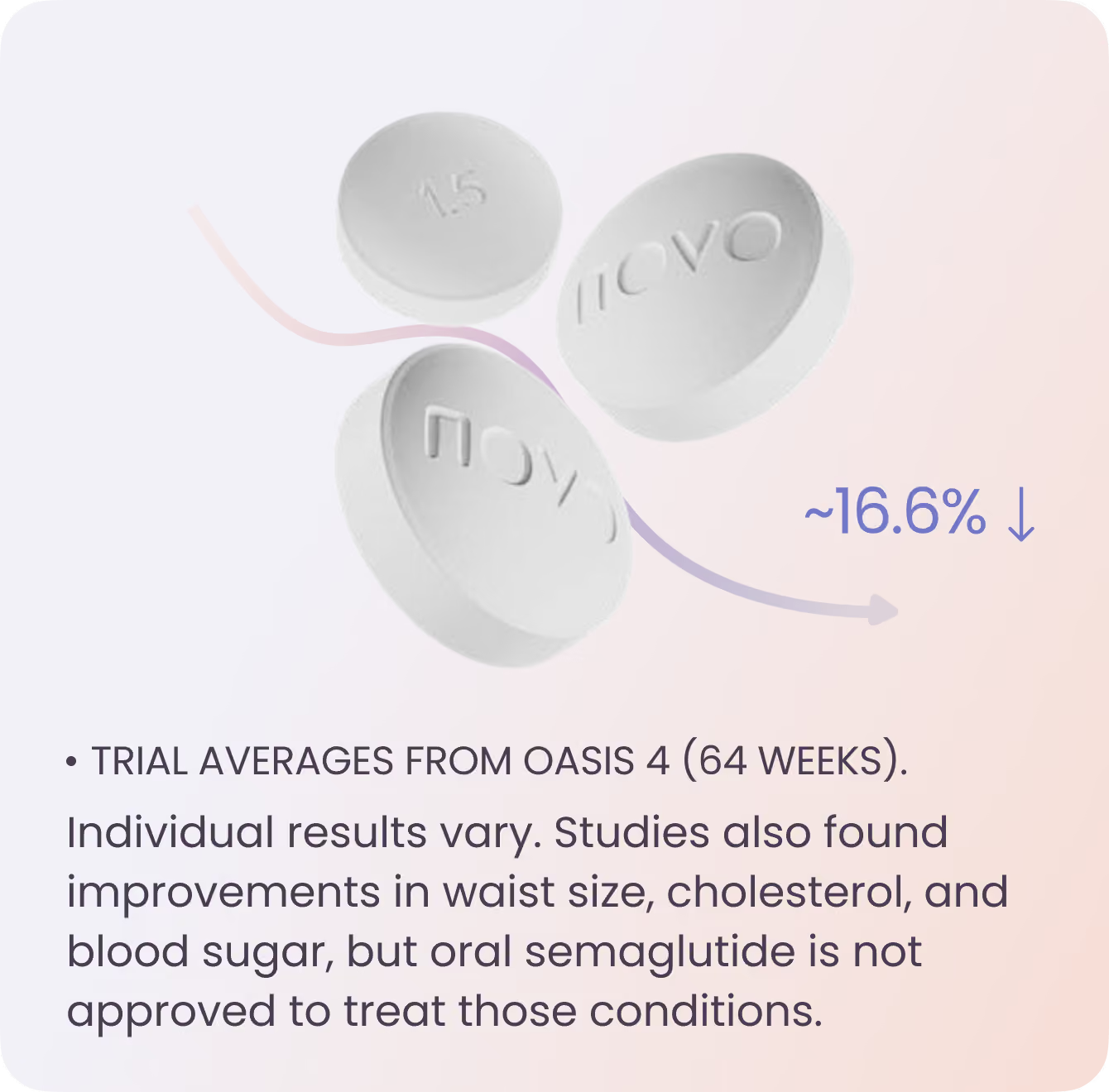
~16.6% average weight loss
Proven in the OASIS 4 trial, alongside diet and activity.
Beyond weight loss
Works on the systems behind appetite, blood sugar and metabolic health — with benefits many report going further than the scale.
Built for informed choices
Clinician-reviewed from the start, so you understand what it does and whether it fits you.
How it works?
Semaglutide works with a hormone your gut releases naturally after eating. It supports weight management three ways:
Quietens appetite
acts on the brain's hunger signals, easing cravings and the urge to snack.
Keeps you fuller for longer
slows how quickly your stomach empties, so smaller portions satisfy.
Steadies blood sugar
helps regulate the glucose response after meals.
The benefits often go beyond the scale — steadier energy and better metabolic health — which is why it suits people optimising their health, not just their weight. It works alongside a reduced-calorie diet, more activity, and clinical support. The combination is what lasts, not the medicine alone.
How you take it:
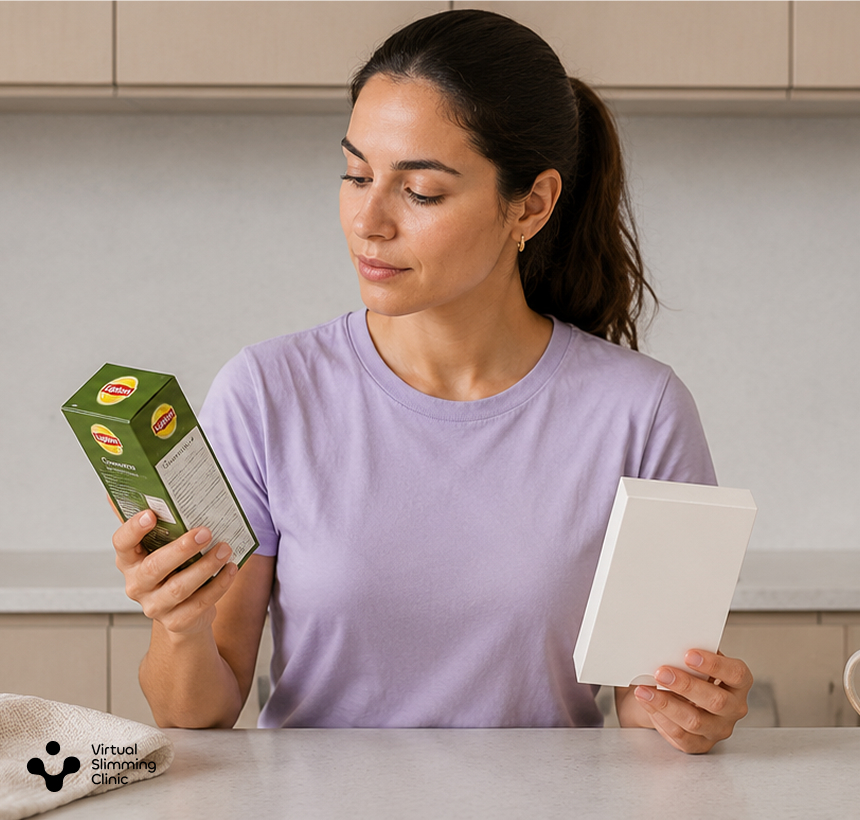
One tablet daily, on an empty stomach, at least 30 minutes before your first food or drink;
Swallow whole with a small sip of water (max 120ml) — don't split, crush or chew;
Timing matters: taking it with food substantially reduces absorption.
Is it right for you?
Suitability is a clinical decision your prescriber makes after a full assessment.
As a general guide, treatment is licensed for adults with:
A BMI of 30 or above;
A BMI of 27 or above with a weight-related condition — high blood pressure, raised cholesterol, pre-diabetes, or type 2 diabetes.
Thresholds may be considered at a lower BMI for some ethnic backgrounds, where health risks can occur earlier. Your clinician accounts for this.
It may not be suitable if you
are pregnant, planning pregnancy or breastfeeding;
have a personal or family history of medullary thyroid cancer or MEN 2;
have had pancreatitis; or are under 18.
Tell your clinician if you have type 2 diabetes, diabetic eye disease, kidney or gallbladder problems, surgery scheduled, or take another GLP-1 medicine.
That's what the assessment is for — checking it's safe for you, not waving everyone through.
The evidence
Studied in the OASIS clinical trial programme — large randomised trials of oral semaglutide alongside diet and exercise. These are trial averages, not a prediction of your result.
Reaching each milestone:
Weight loss
5%+
10%+
15%+
20%+
Tablet (25mg)
~76%
~60%
~47%
~28%
Placebo
~31%
~14%
~6%
~3%
Early progress counts: around 1 in 3 adults lost at least 10% by week 16 — the first months build the momentum, which is why our support is front-loaded then.
Beyond weight loss: in analysis presented at the European Congress on Obesity 2026, ~77% of participants who started with poor physical function reported real improvement in everyday movement, versus 43% on placebo.
Results depend heavily on staying with the programme — which is why the support matters as much as the medicine.
Dosage guide
Treatment starts low and steps up gradually — at least a month at each level — giving your body time to adjust and reducing side effects. One tablet, once daily, throughout.
Stage
Starting
Step up
Step up
Maintenance
Dosage
1.5mg daily
4mg daily
9mg daily
25mg daily
Duration
Month 1
Month 2
Month 3
Month 4+
Dosage
1.5mg
4mg
9mg
25mg
Duration
Month 1
Month 2
Month 3
Month 4
Stage
Once daily · starting dose
Once daily · step-up
Once daily · step-up
Once daily · maintenance
Your clinician may hold you at a dose longer if that's right. Not everyone needs the highest dose — your maintenance dose depends on how you respond, reviewed with your clinical team throughout.
What it costs
Your cost depends on your prescribed dose, confirmed by your clinician during your assessment. We're clear about it upfront — no surprises after you've invested your time.
Your programme includes:
Your assessment and prescriber review;
Your medication dispensed by our GPhC-registered pharmacy partner;
Ongoing clinical support and check-ins;
The VSC app for tracking and reorders.
Nothing to pay to complete your assessment. Nothing charged unless your treatment is approved as suitable. Your monthly cost is confirmed before you commit.
Explore Wegovy® Pill pricing plans to find the option that best fits your needs.
Side Effects
Explore Wegovy® Pill pricing plans to find the option that best fits your needs.
More common:
Most are digestive, mild, and ease as your body adjusts. They're more noticeable when you start or step up a dose, which is why the dose rises gradually.
Nausea
Diarrhoea
Vomiting
Constipation
Stomach pain
Bloating
Heartburn
Tiredness
Less common but serious — get medical advice promptly:
Severe persistent stomach pain (possible pancreatitis);
Gallbladder problems;
Signs of dehydration or kidney problems after ongoing sickness;
Serious allergic reaction (swelling of face, lips, tongue or throat; difficulty breathing);
Low blood sugar, more likely alongside other glucose-lowering medicines.
Semaglutide is a prescription-only medicine, supervised by a clinician. This reflects the MHRA Summary of Product Characteristics. Report side effects via the MHRA Yellow Card scheme, and always tell your clinical team.
Switching from injection to pill
If you're already on a weekly semaglutide injection — or another GLP-1 injection — moving to the tablet is a clinical review, not an automatic swap. The two aren't equivalent dose-for-dose, because the tablet is absorbed differently from the injection.¹ ²
Your prescriber sets the right starting dose based on your current treatment and how you've responded.
What to expect:
It's clinician-led
Your assessment covers what you're currently taking, your dose, and how you're getting on — your prescriber decides the safe starting point.³
The doses don't match one-to-one
A given injection dose doesn't translate directly to the same tablet dose, so you may start the tablet at a lower equivalent and step up again.¹
Planned around your last injection
As a general guide, the tablet starts a set interval after your final injection. Your clinician confirms the exact timing to avoid gaps or overlap.⁴
Why people switch
Usually to come off needles, or to move to a daily routine that fits better than a weekly one — but it's only right if it suits you clinically.
References
1.
Applied Clinical Trials (2026a) FDA approves oral Wegovy following positive Phase III OASIS 4 trial results. Available at: https://www.appliedclinicaltrialsonline.com/view/fda-approves-oral-wegovy-positive-oasis-trial-results (Accessed: 3 July 2026).
2.
Applied Clinical Trials (2026b) Novo Nordisk's Phase III OASIS 4 analyses highlight cardiometabolic benefits of oral semaglutide 25 mg. Available at: https://www.appliedclinicaltrialsonline.com/view/novo-nordisk-oasis-analyses-highlight-cardiometabolic-benefits-oral-semaglutide (Accessed: 3 July 2026).
3.
GOV.UK (2026) First GLP-1 tablet for weight loss approved in the UK. Medicines and Healthcare products Regulatory Agency. Available at: https://www.gov.uk/government/news/first-glp-1-tablet-for-weight-loss-approved-in-the-uk (Accessed: 3 July 2026).
4.
Medicines and Healthcare products Regulatory Agency (2026) MHRA approval statement: semaglutide (Wegovy) tablet for weight management, 11 June 2026. London: MHRA.
5.
National Institute for Health and Care Excellence (2026) Overweight and obesity management (NG246). Available at: https://www.nice.org.uk/guidance/ng246 (Accessed: 3 July 2026).
6.
Novo Nordisk (2026a) STEP UP trial: semaglutide 7.2 mg for weight management. [Confirm published citation for the 20.7% / 72-week / 33%-≥25% figures with Mohamed before publishing.]
7.
Novo Nordisk (2026b) Wegovy® pill (semaglutide tablets) becomes first daily GLP-1 weight-loss pill approved in the UK. Bagsværd: Novo Nordisk, 11 June 2026.
8.
Pharmaceutical Journal (2026) MHRA approves semaglutide oral tablets for weight loss. Royal Pharmaceutical Society. Available at: https://pharmaceutical-journal.com/article/news/mhra-approves-semaglutide-oral-tablets-for-weight-loss (Accessed: 3 July 2026).
9.
Rubino, D.M. et al. (2022) 'Effect of weekly subcutaneous semaglutide vs placebo on weight (STEP trials)', JAMA.
10.
Wharton, S., Lingvay, I., Bogdanski, P. et al. (2025) 'Oral semaglutide 25 mg in adults with overweight or obesity (OASIS 4)', New England Journal of Medicine, 393(11), pp. 1077–1087. doi:10.1056/NEJMoa2500969.





.avif)




.avif)

.avif)



.svg)
.svg)










.jpg)


.jpg)




















































































.avif)
.avif)
.avif)