

Visceral fat: what most weight charts miss

Visceral fat is the metabolically active fat that sits around your organs — and it predicts cardiometabolic risk more reliably than BMI. A clinical guide.
Weight Loss
Weight Loss
Written by
Adam England
June 15, 2026
Medically Reviewed by
Mohamed Asghar
June 15, 2026
June 15, 2026
9 min read

Two adults of the same height and weight can have very different health profiles. The difference is often not the number on the scale, but where the fat sits.

The form of body fat that matters most for long-term health doesn't show on a bathroom scale. It sits behind the abdominal wall, surrounding the liver, pancreas and intestines. It is metabolically active in ways that the fat under the skin is not — and the published research consistently shows it is the form most closely associated with cardiometabolic risk.

It is called visceral fat. And it is what most weight charts miss.

What visceral fat is

Body fat is not a single tissue. It comes in two broad forms.

The first, subcutaneous fat, sits between the muscle and the skin. It is the fat you can pinch. Functionally, it stores energy, insulates the body, and tends to be relatively metabolically quiet.

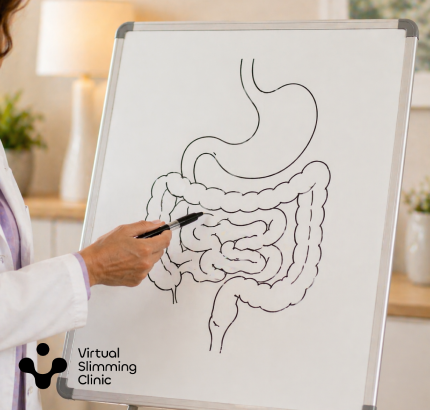
The second, visceral fat, sits deeper. It surrounds the abdominal organs and produces a steady stream of inflammatory signals, hormones, and free fatty acids that influence the rest of the body's metabolism¹.

Two people can carry the same total weight — and one can have substantially more visceral fat than the other. The implications, clinically, are rather different.

Why scales and BMI miss it

A bathroom scale measures total weight. BMI compares weight to height. Neither distinguishes between fat and muscle, and neither distinguishes between fat that sits under the skin and fat that sits around the organs.

Two adults can share an identical BMI and have visceral fat volumes that differ by more than a factor of two. This is one of the well-documented limitations of using BMI alone in clinical assessment, and it is the reason most up-to-date guidelines (including NICE NG246, updated in 2025) now recommend that BMI be considered alongside a waist measurement².

Many patients arrive at consultation having been told for years that their weight is 'fine' by BMI standards, only to discover — when they are properly measured — that the visceral fat they carry is the part the chart never showed.

What the published research keeps showing

The clinical literature on visceral fat is unusually consistent. Across cardiometabolic medicine, the same pattern emerges from independent research groups, in different populations, using different measurement methods.

Cardiometabolic disease risk

Visceral adiposity is associated with elevated risk of type 2 diabetes, hypertension, dyslipidaemia, non-alcoholic fatty liver disease and atherosclerotic cardiovascular disease — and the relationship is independent of total body weight³.

Cognitive decline

Research published in the Annals of Neurology has shown an association between elevated visceral adiposity in midlife and accelerated cognitive decline later in life — even in adults whose total weight was within normal range⁴.

Inflammatory load

Visceral adipose tissue produces pro-inflammatory cytokines (including TNF-α and IL-6) at significantly higher rates than subcutaneous fat. Chronic low-grade inflammation is one of the proposed mechanisms linking visceral fat to long-term disease risk.

The studies are not unanimous on every detail. But the broad conclusion — that visceral fat is the form most closely associated with serious long-term health outcomes — is by this point fairly settled in the literature.

The signs most patients don't realise are connected

Many of the symptoms patients describe to us informally turn out to be linked, on closer examination, to visceral adiposity.

A persistent increase in waist circumference, even when total weight has been stable for years. A change in body shape after the age of 40, particularly around the midsection. Fatigue that follows meals. Sleep that has become lighter, more fragmented, or less restorative. Blood pressure that has crept upwards. A liver enzyme reading flagged by the GP as borderline.

None of these symptoms are diagnostic on their own. Together, and in context, they often point to a metabolic picture that warrants attention.

How visceral fat is measured

In a research setting, visceral fat is measured directly using imaging — DXA scans, MRI, or CT. These methods are accurate but generally not available outside specialist services.

Clinically, two indirect measurements give a reasonable approximation:

Waist circumference

Measured at the midpoint between the lowest rib and the iliac crest, on bare skin, at the end of a normal exhale.

NICE NG246 (2025) updated waist circumference thresholds to be ethnicity-adjusted. The headline thresholds:

  • For most adults, a waist measurement above 94 cm (men) or 80 cm (women) is considered an indicator of increased health risk.
  • For South Asian, Chinese, Other Asian, Middle Eastern, Black African and African Caribbean ethnic groups, the corresponding thresholds are 90 cm (men) and 80 cm (women).

Waist-to-height ratio

A simpler measure that often correlates more reliably with visceral fat than waist alone⁵. The guidance to remember: keep your waist to less than half your height.

A person who is 170 cm tall, then, has a waist target of less than 85 cm. The principle holds across ethnicity, sex and age — and can be calculated by anyone, at home, with a tape measure.

What actually moves visceral fat

The evidence on lifestyle change is, by this point, considerable.

Resistance training

Multiple trials have shown that progressive resistance training reduces visceral fat — even when total body weight does not change substantially⁶. The mechanism is partly the direct effect of building muscle (which improves insulin sensitivity) and partly the change in how the body partitions stored energy.

Aerobic exercise

Higher-intensity aerobic exercise, in a sufficient weekly dose, has been shown to selectively reduce visceral fat. The intensity matters: light, infrequent activity tends not to shift visceral adiposity meaningfully⁷.

Dietary pattern

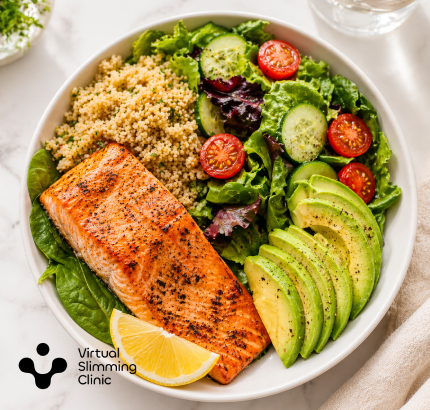
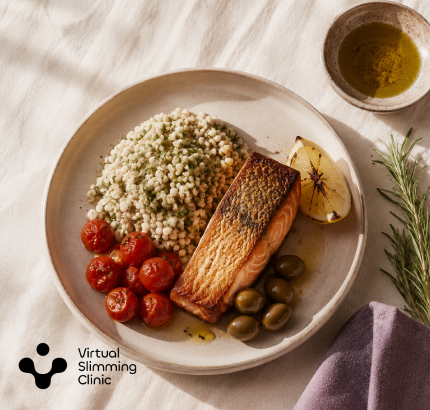
The published literature on dietary patterns is most consistent for the Mediterranean dietary pattern. The Mediterranean pattern has been associated, across multiple cohorts, with reductions in visceral fat and improvements in cardiometabolic markers⁸. Calorie counting in isolation tends not to move visceral fat as reliably as a sustained dietary pattern shift.

Sleep

Restricted or fragmented sleep is associated with higher levels of cortisol and altered insulin sensitivity — both of which favour visceral fat deposition⁹. The earliest research on this dates to the late 1990s and the pattern has held up since.

Stress

Chronic psychological stress, through elevated cortisol exposure, has been shown to encourage visceral fat accumulation independent of dietary intake. The work of Epel and colleagues (Yale, early 2000s) is often cited here.

None of these single interventions tends to work in isolation. The published evidence supports a combined approach.

When to take it seriously

A reasonable signal to seek clinical input:

  • A waist measurement above the thresholds noted earlier.
  • A waist-to-height ratio above 0.5.
  • A family history of type 2 diabetes, cardiovascular disease, or non-alcoholic fatty liver disease.
  • Symptoms that suggest possible metabolic dysregulation — fatigue after meals, sleep disruption, blood pressure that has been creeping upwards.
  • Stable total weight, but a noticeable shift in where weight sits — particularly after the age of 40.

Patients in this category may benefit from a more thorough clinical assessment than the standard BMI-based screen offered in many settings.

Frequently asked questions

Can you have visceral fat at a normal weight?

Yes. The clinical literature describes this presentation as 'TOFI' — thin on the outside, fat on the inside. It is more common than is generally recognised, and it is one of the clearest reasons BMI alone is an incomplete screening tool.

Is visceral fat reversible?

The published evidence suggests that visceral fat tends to respond well to sustained lifestyle change — often more readily than subcutaneous fat. The reductions can begin within weeks of consistent change, with measurable shifts in associated cardiometabolic markers within months.

Does cortisol cause visceral fat?

Chronic exposure to elevated cortisol — for example through ongoing psychological stress or disrupted sleep — has been shown to encourage visceral fat deposition independent of calorie intake. The relationship is not direct in every individual, but it is well-documented at the population level.

How accurate is waist-to-height ratio?

Waist-to-height ratio tends to correlate more reliably with visceral fat than BMI does, particularly across ethnic groups. It is not a perfect proxy for imaging, but it is one of the most accessible measurements with reasonable clinical utility.

A note on how this is approached at VSC

Our clinical assessment process considers waist circumference and waist-to-height ratio alongside total weight. We look at family history, lived experience, and the practical patterns of the patient's life — sleep, stress, eating patterns, energy through the day. The intention is to read the whole picture, rather than rely on a single number.

If any of the above feels relevant to your situation, our clinical team is here to help you understand what your own measurements mean — and what, if anything, the evidence suggests may help.

Start your assessment →

References (citations to verify with Mohamed)

  1. Després JP, Lemieux I. Abdominal obesity and metabolic syndrome. Nature 2006; 444: 881–7.
  2. NICE. Obesity: identification, assessment and management — NICE guideline NG246. 2025.
  3. Neeland IJ et al. Dysfunctional adiposity and the risk of prediabetes and type 2 diabetes in obese adults. JAMA 2012; 308: 1150–9.
  4. Debette S et al. Visceral fat is associated with lower brain volume in healthy middle-aged adults. Annals of Neurology 2010; 68: 136–44.
  5. Ashwell M et al. Waist-to-height ratio is a better screening tool than waist circumference and BMI for adult cardiometabolic risk factors. Obesity Reviews 2012; 13: 275–86.
  6. Slentz CA et al. Effects of aerobic vs. resistance training on visceral and liver fat stores. American Journal of Physiology 2011; 301: E1033–9.
  7. Verheggen RJ et al. Systematic review and meta-analysis on exercise vs. hypocaloric diet for visceral adipose tissue. Obesity Reviews 2016; 17: 664–90.
  8. Estruch R et al. (PREDIMED). Primary prevention of CVD with Mediterranean diet. NEJM 2018; 378: e34.
  9. Spiegel K, Leproult R, Van Cauter E. Impact of sleep debt on metabolic and endocrine function. Lancet 1999; 354: 1435–9.


Other Articles

9 min read
Visceral fat: what most weight charts miss
Two adults of the same height and weight can have very different health profiles. The difference is often not the number on the scale, but where the fat sits. The form of body fat that matters most...
8 min read
Insulin resistance: the most overlooked driver of weight gain
Insulin is the hormone responsible for moving glucose (sugar) from the bloodstream into the body's cells, where it's used for energy or stored for later...

6 min read
Weight stigma: why being told to 'just try harder' makes weight harder to lose
For anyone who has ever been told that losing weight is simply a matter of willpower — and felt, all the same, that something...
5 min read
Not Losing Weight on Mounjaro? Why It’s Happening and What to Do
If you are not losing weight on Mounjaro, it may be due to a low dose, inconsistent eating habits, lack of a calorie deficit, low activity, missed doses...
6 min read
The Side Effects of Saxenda You Should Be Aware Of
The side effects of Saxenda you should be aware of include common digestive symptoms, injection site irritation, headaches, and rarer but more serious...
6 min read
How to Keep Weight Off After Mounjaro: Simple Tips That Work
To understand how to keep weight off after Mounjaro, the most effective approach is to maintain a balanced diet, stay active, prioritise protein and fibre...
7 min read
How Much Weight Can You Lose on Saxenda in One Month?
How much weight you can lose on Saxenda in one month depends on your starting weight, dose progression, diet, activity levels and how your body responds...
6 min read
Ozempic and PCOS: Can It Help with Symptoms?
Ozempic for PCOS may help manage some symptoms, particularly weight-related and metabolic issues linked to insulin resistance...
6 min read
Can You Take Mounjaro with Gallstones? Safety, Risks and Guidance
Mounjaro is the brand name for tirzepatide, a prescription medicine used under clinical supervision. It affects hormones...
6 min read
What Is Saxenda and How Does It Work?
Saxenda is a prescription weight loss injection containing liraglutide that helps regulate appetite, slow stomach emptying, and support lower calorie intake...
5 min read
What Size Needle for Mounjaro: Everything You Need to Know
The standard needle size for Mounjaro is typically a very short, thin subcutaneous needle, usually around 4 mm to 6 mm in length with a gauge between 31G...
6 min read
Does Ozempic Cause Vision Loss: What You Need to Know
Ozempic is a prescription medication that contains semaglutide, a drug used to help manage type 2 diabetes. It belongs to a class of medications known...
6 min read
Mounjaro and PCOS: Can It Help Manage Symptoms?
Mounjaro and PCOS are increasingly being discussed together because the medication may help improve insulin, support weight management...
5 min read
Semaglutide Benefits | Achieve Weight Loss and Better Health
Semaglutide benefits include significant weight loss, appetite control, improved blood sugar regulation and wider metabolic health improvements...
6 min read
Mounjaro and Nausea: Why It Happens and How to Manage It
Mounjaro and nausea are commonly linked because the medication slows digestion, reduces appetite and changes gut hormone signaling...
5 min read
Does Mounjaro Make You Tired? Essential Guide
If you have recently started Mounjaro and feel more drained than usual, you are not alone. Although tiredness is not always listed as the main headline...
6 min read
Ozempic Doses Chart
This Ozempic dose chart explains the safe weekly dosing schedule, how doses increase over time, and what each treatment stage is designed to achieve...
2 min read
Mounjaro and Muscle Loss: Why It Happens and Ways to Prevent It
Mounjaro and muscle loss can be linked when rapid weight loss, reduced calorie intake, and inadequate protein or resistance training cause the body...
2 min read
Does Ozempic Need to Be Refrigerated?
Ozempic is a prescription injectable medication containing semaglutide, a GLP-1 receptor agonist originally developed to support blood sugar...
2 min read
Side Effects of Weight Loss Injections: What You Need to Know
Weight loss injections: Do the benefits outweigh the risks? Find out about common side effects, serious concerns, and who should avoid these medications..
2 min read
Double Win? Research Links Weight Loss Medication to Improved Sleep Apnea
According to a recent Guardian article, a weight loss drug appears effective in alleviating sleep apnea in obese patients...
2 min read
How to Maximise the Effectiveness of ED Medications?
Erectile dysfunction (ED) medications like Viagra (sildenafil), Cialis (tadalafil), Levitra (vardenafil), and Spedra (avanafil) work by increasing blood flow...
2 min read
What is Obesity: Everything You Need to Know
Obesity has become a significant public health concern in the UK, impacting millions of adults and children, with countless people struggling...
2 min read
Does Obesity Cause Hair Loss?
A study published in the esteemed journal Nature explored how a high-fat diet or obesity induced through genetic means impacted hair loss in mice. The findings revealed that obesity led...
5 min read
A Sustainable Weight Loss Diet Plan for Healthy Results
A diet plan for weight loss doesn’t have to mean making strict restrictions or cutting out entire food groups – everything can be suitable in moderation...
4 min read
The Best Weight Loss Pills on The Market
There are countless different ways that people try to speed up and support the process of losing weight. For many, including those with more serious weight-related...
2 min read
The Side Effects of Ozempic You Should Be Aware Of
Ozempic has become one of the most widely discussed treatments in the field of weight management, with dedicated news pages from major outlets and institutions...
2 min read
Common Mounjaro Side Effects You Should Know About
The drug is designed to stimulate insulin release (for type-2 diabetics), along with supporting a longer-lasting full feeling in the stomach...
2 min read
Weight Loss Pills vs Injections – Which Works Best for You?
Prescription weight loss treatment is more common now than ever before, which is a massive step in the right direction in handling the obesity epidemic...
2 min read
How Does Ozempic Work? The Ultimate Breakdown
This blog will explore the mechanics of Ozempic, along with highlighting how it stacks up in today’s landscape of weight loss injections.
2 min read
How Does Mounjaro Work? Your Essential Introduction
The battle against your own body and mind can feel crushing, with attempts to get healthier the “traditional way” often feeling like a full-time job...
6 min read
How Does Wegovy Work? Everything You Need to Know
If you’ve been struggling with your weight for a while, you know it can feel impossible at times. You try a plan, it fizzles and bang, you’re back to square one...
2 min read
Switching from Mounjaro to Wegovy: What You Need to Know
Mounjaro and Wegovy are powerful injectables used to manage obesity and type 2 diabetes, though they have different mechanisms and titration plans...
6 min read
What to Eat on Mounjaro: The Ultimate Diet Plan for Faster Weight Loss
If you’re planning on using Mounjaro to lose weight, you can expect it to change the way you eat naturally...
2 min read
How to Switch from Mounjaro to Wegovy Safely
Mounjaro and Wegovy are effective weight loss medications that have a similar mechanism of action. Recently, there has been a rise in the number of people...
5 min read
What to Eat on Wegovy for Maximum Weight Loss Results in 2025
Starting Wegovy is an opportunity to reset your approach to planning, shopping, cooking, and eating...
4 min
5 Effective Strategies to Boost Weight Loss with Wegovy
If you’re taking Wegovy, you’re probably looking to maximise weight loss results in a realistic, safe and sustainable fashion.The truth is that strong, steady weight..
2 min read
Are Weight Loss Injections Safe?
Choosing a path to better health is rarely a straight line – it’s a journey. For some, coaching and kitchen habits are enough. For others, biology, medication history, or time pressures...
5 min read
Mounjaro vs Wegovy: Which Injection is Best for Weight Loss?
You’re not imagining it – more people than ever are asking about weight loss injections and wondering which option is the more brilliant first move...
2 min read
Diet Hacks That Maximise Weight Loss When Using GLP-1 Medications
GLP-1 medications, such as Mounjaro (tirzepatide) and Wegovy (semaglutide), are becoming increasingly popular as weight-loss treatments...
6 min read
How Long Can You Safely Stay on Ozempic for Weight Loss?
You can safely stay on Ozempic for weight loss as long as it remains effective, well-tolerated and monitored by your healthcare provider – typically months...
2 min read
The Cost of Essentials: How Much Does Wegovy Actually Cost in the UK?
To help them lose weight, some people living with obesity use GLP-1 medications like Wegovy and Mounjaro...
2 min read
Unexpected Side Effects Patients are Reporting on Mounjaro – What to Know
The introduction of GLP-1 drugs has turned the weight loss industry into big business But what are these drugs, how effective...
4 min read
Does Ozempic Cause Hair Loss?
While Ozempic (semaglutide) isn’t directly linked to causing hair loss, some people taking it may notice increased shedding or thinning - often due to rapid weight loss, hormonal changes or nutrient deficiencies...
2 min read
7-Day Transition Plan Moving from Mounjaro to Wegovy
Switching from one GLP-1 medication to another can feel overwhelming. It might not be as simple as a quick switch when you’ve been on Mounjaro and your provider...
4 min read
Does Wegovy Need to Be Refrigerated?
Wegovy must be refrigerated between 2°C and 8°C to maintain its strength and stability. Leaving it out for too long or exposing it to extreme temperatures...
2 min read
Can You Drink Alcohol on Ozempic? What You Should Know
You can drink alcohol while taking Ozempic, but it’s important to do so in moderation and with care. Alcohol can affect your blood sugar, digestion...
4 min read
What Happens When You Stop Taking Ozempic: Effects and Considerations
When you stop taking Ozempic, your blood sugar and appetite can increase, leading to potential weight regain and metabolic...
4 min read
Top 10 Ozempic Benefits: Everything You Need to Know
Ozempic offers a range of benefits, including weight loss support, improved blood sugar control, and reduced heart disease risk...
4 min read
What Happens When You Stop Taking Wegovy: Risks and Safety Tips
When you stop taking Wegovy, your appetite typically increases, weight regain becomes more likely...
4 min read
How and Where to Inject Ozempic: A Complete Guide
The best place to inject Ozempic is into the fatty tissue of your abdomen, thigh, or upper arm, rotating sites each week for comfort and effectiveness....
4 min read
Where and How to Inject Mounjaro: Step-by-Step Guide
The easiest places to inject Mounjaro are the abdomen, thigh, or upper arm, and rotating sites each week helps improve comfort and absorption....
4 min read
Where and How to Inject Wegovy: A Complete Step-by-Step Guide
Wegovy should be injected once weekly into the abdomen, thigh or upper arm, avoiding the navel area and rotating sites each week for comfort, safety...
4 min read
Is Ozempic Insulin? Key Differences Explained
Ozempic is not insulin. Ozempic is a GLP‑1 receptor agonist that helps your body release insulin naturally, , whereas insulin is a hormone replacement...
3 min read
Does Mounjaro Cause Diarrhoea? What You Need to Know
Mounjaro can cause diarrhoea, and it is one of the more common gastrointestinal side effects experienced by some users. However, there are effective ways...
3 min read
Does Ozempic Cause Cancer? Everything You Need to Know
Does Ozempic cause cancer? Current evidence does not show that Ozempic causes cancer in humans , but certain risks, particularly involving...
4 min read
What Are GLP-1 Medications: Everything You Need to Know
What are GLP-1 medications? They are prescription treatments that mimic a natural hormone in your body to help regulate blood sugar, reduce appetite...
4 min read
What Medicines Can You Not Take with Mounjaro: Complete Safety Guide
“What medicines can you not take with Mounjaro?” comes down to anything that increases...
6 min read
Wegovy Doses Chart for Weight Loss
The Wegovy doses chart for weight loss shows a carefully structured, week-by-week escalation – starting at 0.25 mg and rising gradually to the full 2.4 mg...
6 min read
How Long Does It Really Take for Semaglutide to Suppress Appetite?
Semaglutide appetite suppression typically begins within 1–2 weeks, but the full effect develops gradually between 8–16 weeks as the dose increases...
8 min read
Does Mounjaro Need to Be Refrigerated?
Mounjaro should be kept refrigerated at 2°C to 8°C (36°F to 46°F). However, unopened pens can safely remain at room temperature (up to 30°C / 86°F) for...
8 min read
Semaglutide and Diarrhoea: Causes, Symptoms, and How to Manage
Semaglutide diarrhoea is a common but usually temporary side effect caused by changes in digestion...
6 min read
Best Place to Inject Mounjaro for Weight Loss
The best place to inject Mounjaro for weight loss is any of the three approved sites, being the abdomen, thigh, or upper arm, as all provide equally effective..
2 min read
Weight-Loss Pills Are Here: What Novo Nordisk’s Daily GLP-1 Tablet Really Means for Patients
The recent approval of a daily GLP-1 weight-loss pill by Novo Nordisk has generated widespread attention...
2 min read
What We Know So Far About Long-Term Effects of Semaglutide and Tirzepatide
If you’re thinking of using semaglutide (Wegovy) or tirzepatide (Mounjaro) to help aid your weight loss...
6 min read
Mounjaro Dosing Schedule Guide for Weight Loss
The Mounjaro dosing schedule for weight loss begins at 2.5 mg once weekly and increases gradually every four weeks up to a maximum of 15 mg...
6 min read
When Is the Best Time of Day to Take Mounjaro?
he best time of day to take Mounjaro for weight loss depends on your routine and side-effect tolerance, but consistency matters more than the exact hour...
5 min read
How Much Weight Can You Lose in a Month with Mounjaro?
How much weight can you lose in a month with Mounjaro depends on dose, lifestyle and individual biology, but most people lose between 3–8 kg...
5 min read
Does Mounjaro Cause Depression or Anxiety?
Does Mounjaro cause depression or anxiety? For some people, Mounjaro may be associated with temporary feelings of anxiety or low mood...
5 min read
What Happens When You Stop Taking Mounjaro: Risks and Safety Tips
What happens when you stop taking Mounjaro depends on your body, dosage, and lifestyle...
5 min read
Does Wegovy Make You Tired? Everything You Need to Know
Wegovy can make you feel tired, particularly during the early stages of treatment, as your body adjusts to reduced calorie intake, blood sugar changes...
4 min read
Why Am I Still Hungry on Semaglutide and How to Manage It
f you’re still hungry on semaglutide, it’s usually due to dosage timing, nutrition balance, lifestyle factors, or how your body is adapting and with...
5 min read
Top 10 Mounjaro Benefits: Everything You Need to Know
The top 10 Mounjaro benefits include powerful appetite suppression, clinically significant and sustained weight loss, improved blood sugar control...
2 min read
Wegovy and Periods: What You Need to Know
Wegovy and periods can be connected because changes in weight, appetite, and energy balance may influence menstrual cycles, even though Wegovy itself...
2 min read
Understanding the Difference Between Retatrutide and Semaglutide
Weight-loss medications have moved from fringe conversations to mainstream healthcare discussions in a remarkably...
3 min to read
Can Mounjaro Cause Dizziness?
Mounjaro has become one of the world’s most widely discussed medications, known for making significant waves in both diabetes care and weight loss settings. As is the case with...
3 min read
Difference Between Weight Loss and Fat Loss: What You Need to Know
The difference between weight loss and fat loss is that weight loss refers to a reduction in overall body weight...
3 min read
Anti-Sickness Tablets for Ozempic, Mounjaro, Wegovy Treatment
Anti-sickness tablets (also known as antiemetics) are medications designed to prevent orrelieve nausea and vomiting. When taking GLP-1 agonists, weight...
3 min read
Needles, Pre-Injection Swabs & Sharps Bins
This is where we discuss our needles and their accessories. They’re traditionally known as ‘insulin needles’, however, they’re designed to be universal...
3 min read
Inositol Supplement: What to Look for and How to Choose
Looking for the best inositol supplement? Learn what to look for in dosing, form, and clinical relevance. See why Eden includes inositol...

Be The First To See Results And Updates

Subscribe For a Newsletter
Get clinical insights, expert guidance, and real
transformation stories — straight to your inbox.
Thank you! Your submission has been received!
Oops! Something went wrong while submitting the form.
A young woman with a towel around her neck smiles while wearing white headphones and looking at her smartphone, sitting in a bright indoor setting, possibly after exercising.