



Quick answer: Saxenda is a prescription weight loss injection containing liraglutide that helps regulate appetite, slow stomach emptying, and support lower calorie intake when used alongside a reduced-calorie diet and increased physical activity.
What is Saxenda?
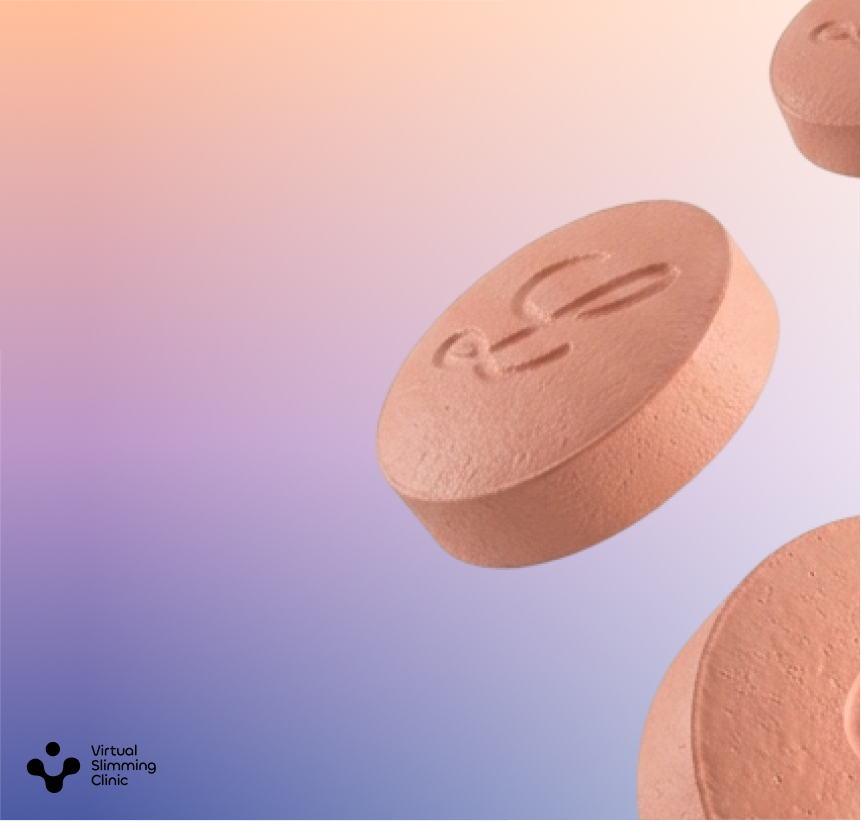
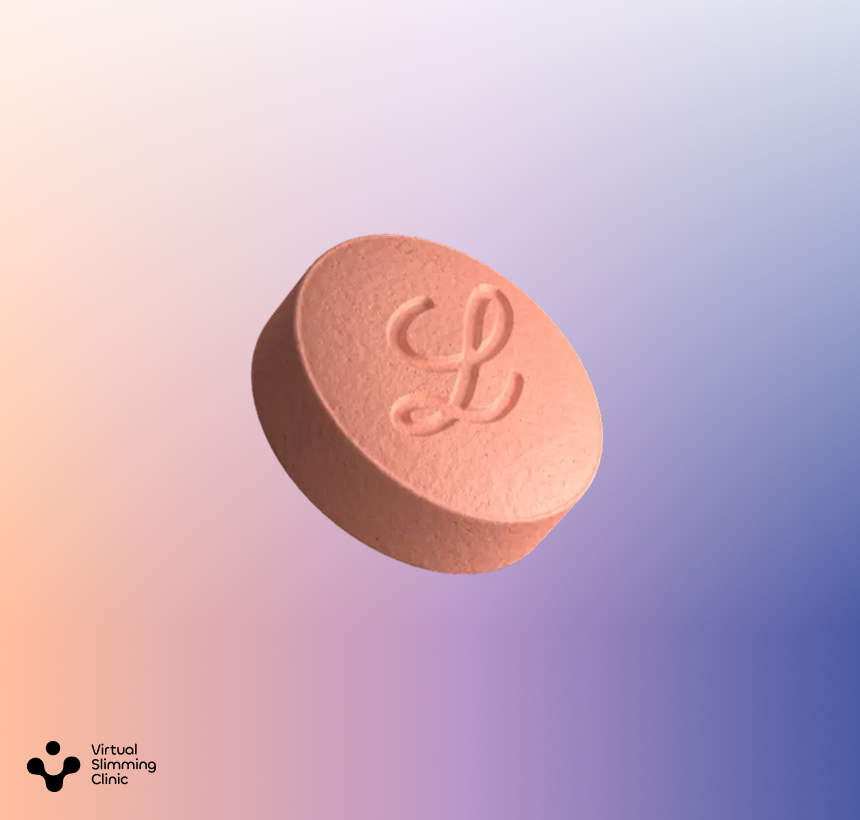
Saxenda is the brand name for liraglutide, a prescription medicine used for weight management. In the UK, it is used alongside lifestyle changes rather than as a standalone solution. That means it is intended to support a broader plan that includes a reduced-calorie diet, improved eating habits and regular physical activity.
It belongs to a class of medicines called GLP-1 receptor agonists. These medicines mimic a naturally occurring hormone involved in appetite and digestion. By acting on hunger signals and the speed at which food leaves the stomach, Saxenda can help people feel fuller sooner and for longer, which may make it easier to eat less and stay on track with a weight management plan.
What is Saxenda injection used for?
Saxenda injection is used for weight loss and weight management in certain adults with obesity, or those who are overweight and also have weight-related health problems. The patient leaflet states it is used in adults aged 18 and over with a BMI of 30 or above, or a BMI of 27 to less than 30 when weight-related conditions such as high blood pressure, abnormal blood fats, diabetes or obstructive sleep apnoea are present.
In the UK, prescribing may also depend on the route of access and clinical eligibility. NICE guidance for NHS use is narrower than the general product licence and places liraglutide within specialist weight management pathways for specific patient groups.
How does Saxenda work?
Saxenda, much like Ozempic or Wegovy, works by mimicking GLP-1, a hormone involved in appetite control and digestion. Rather than directly “burning fat”, it helps create conditions that support more consistent calorie reduction. For many patients, the benefit comes from reduced hunger, better portion control and fewer urges to overeat.
Appetite regulation
One of the main ways Saxenda works is by helping regulate appetite. It affects signals linked to hunger and fullness, helping you feel satisfied with less food. Many people describe this as feeling less preoccupied with food, more in control of portions or less likely to keep eating after full.
Slowing gastric emptying
Saxenda also slows the rate at which food leaves the stomach. The NHS explains that liraglutide helps reduce appetite by making you feel full and slowing down the time it takes for your stomach to empty. This slower gastric emptying can increase post-meal fullness and reduce the urge to eat again too soon.
Impact on calorie intake
Because hunger is reduced and fullness lasts longer, many patients naturally lower their calorie intake while using Saxenda. That is why it is prescribed alongside a reduced-calorie diet and physical activity, not instead of them. The medication can make lifestyle changes easier to sustain, but the wider plan still matters.
How effective is Saxenda for weight loss?
Saxenda can be effective for weight loss when used correctly and under clinical supervision, but results vary between people. It is not a fast fix, and it does not produce identical outcomes across patients. Factors such as starting weight, underlying health conditions, eating patterns, physical activity and treatment adherence all play a role.
The product information sets a review point for effectiveness. Adults should only continue using Saxenda if they have lost at least 5% of their initial body weight after 12 weeks on the 3.0 mg daily dose. It’s a treatment that should be assessed in a structured and measurable way rather than taken indefinitely without review.
Who can use Saxenda?
Saxenda should only be started after an appropriate clinical assessment. Broadly, it may be considered for adults who meet BMI-related criteria and who are appropriate for prescription treatment as part of a wider weight management plan.
However, some people may need extra caution, while others may not be suitable at all. For example, it is not recommended during pregnancy or while breastfeeding, and caution is advised in people with certain kidney, liver, stomach, thyroid or heart-related issues. It is also not recommended as a replacement for insulin in people with diabetes.
Possible side effects of Saxenda
Like any prescription medicine, Saxenda can cause side effects. The most common are digestive symptoms, especially at the start of treatment or after a dose increase. According to the patient leaflet, very common side effects include nausea, vomiting, diarrhoea, constipation and headache. These often improve after the first days or weeks as the body adjusts.
Other side effects can include indigestion, stomach discomfort, bloating, wind, dry mouth, fatigue, dizziness, altered taste, trouble sleeping, rash, gallstones and injection site reactions. The leaflet also highlights the risk of dehydration, particularly if nausea, vomiting or diarrhoea are severe.
More serious side effects need urgent medical attention. These include symptoms that may suggest pancreatitis, severe allergic reactions or significant gallbladder problems. Patients should always read the patient leaflet carefully and follow professional advice before and during treatment.
How to use Saxenda
Saxenda is taken as a once-daily injection under the skin. It can be used at any time of day, with or without food, but it is best to use it at roughly the same time each day to help build consistency. Before first use, a doctor, pharmacist or prescribing clinician should explain exactly how to use the pen correctly.
Dose escalation schedule
Saxenda treatment starts at a low dose and is gradually increased over the first five weeks. This step-up approach helps improve tolerability and can reduce the likelihood or severity of digestive side effects. The product leaflet gives the following adult schedule.
Where to inject
Saxenda is given as a subcutaneous injection, which means it is injected under the skin rather than into a vein or muscle. The patient leaflet lists the front of the abdomen, the front of the thighs and the upper arm as the best sites for injection. It also advises changing the place where you inject each day to reduce the potential of lumps. This is the standard advice for most injectable weight loss drugs.
How long does Saxenda take to work?
Saxenda does not work overnight. Some people notice reduced appetite quite early, especially during the first few weeks, while meaningful weight loss usually takes longer and depends on whether the treatment is combined with the recommended dietary and activity changes. Because the dose is increased gradually, the full treatment effect is not usually judged immediately.
A key checkpoint is after 12 weeks on the 3.0 mg dose. If you haven’t lost enough weight by then, the treatment may not be right. This is one reason why proper follow-up matters.
Saxenda vs other weight loss treatments
Saxenda is one of several prescription options for weight management. The right choice depends on medical history, eligibility, treatment goals, access route and clinician advice. NICE’s current guidance for medicines includes tirzepatide, semaglutide, liraglutide and orlistat.
Getting started with Saxenda at The Virtual Slimming Clinic
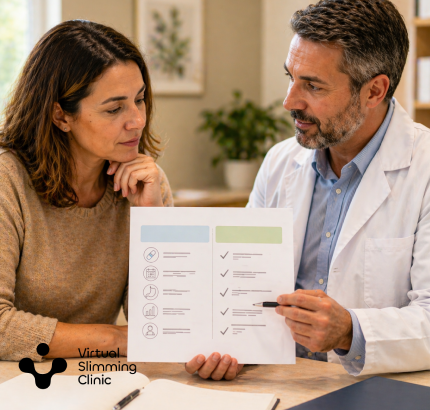
Getting started with Saxenda at The Virtual Slimming Clinic will begin with a proper clinical assessment. A safe pathway with us will properly assess eligibility, medical history, current medicines, possible contraindications and whether Saxenda is an appropriate option in the first place. Working with us will ensure you know how to use the pen, what side effects to expect, what follow-up looks like and when treatment should be reviewed or stopped.
For more insights into the world of weight loss treatments, visit our blog today.
Frequently Asked Questions (FAQs)
How quickly does Saxenda work?
Some people notice changes early, but meaningful weight loss builds over time as the dose is increased and lifestyle changes are maintained. Treatment response should be reviewed properly rather than judged after a few days.
Is Saxenda safe for weight loss?
Saxenda is an approved prescription medicine, but safety depends on appropriate prescribing, screening and monitoring. It is not right for everyone, and patients should be assessed for contraindications, cautions and potential side effects before starting.
Can I use Saxenda without dieting?
No. Saxenda is intended to be used alongside a reduced-calorie diet and increased physical activity. It supports weight management, but it does not replace the lifestyle side of treatment.
Do I need a prescription for Saxenda in the UK?
Yes. Saxenda is a prescription-only medicine in the UK and should only be obtained through a legitimate, regulated prescriber and pharmacy.
Who should not use Saxenda?
Saxenda is not suitable for everyone. It should not be used in pregnancy, is not recommended while breastfeeding and may be unsuitable or require caution in people with certain health conditions such as severe gastrointestinal disease, some thyroid concerns or a history that needs specialist review.
How much does Saxenda cost?
The cost of Saxenda can vary depending on the provider, prescribing route and whether clinical support is included. Because pricing varies by clinic and over time, patients should check the current total treatment cost directly with the prescribing provider rather than relying on outdated figures. Check out our website to learn more about our Saxenda pricing.
.jpg)


.jpg)


























































































.avif)