



Can You Take Mounjaro with Gallstones? Safety, Risks and Guidance
Quick answer: Can you take Mounjaro with gallstones? In some cases, yes, but it should only be used with proper medical guidance because gallstones, digestive symptoms, and weight loss can interact in ways that may increase the risk of gallbladder problems.
What is Mounjaro?
Mounjaro is the brand name for tirzepatide, a prescription medicine used under clinical supervision. It affects hormones involved in appetite, digestion and blood sugar regulation, which is why it is widely discussed in relation to weight loss and metabolic health. Many people taking Mounjaro notice that they feel fuller more quickly, snack less often and find it easier to reduce calorie intake.
Although Mounjaro can be effective for weight management in suitable patients, it is still a prescription treatment that needs careful assessment before use. This matters because significant weight loss can affect several parts of the digestive system, including the gallbladder. For people with a history of gallstones or symptoms that may suggest gallbladder disease, this is an important consideration.
The key question is not only whether Mounjaro can be taken, but whether it can be taken safely in the context of your wider health. Someone with no gallbladder history may have a very different risk profile from someone who has had gallstone attacks, biliary pain or previous abnormal scans. That is why personal medical advice is essential before treatment begins.
What are gallstones?
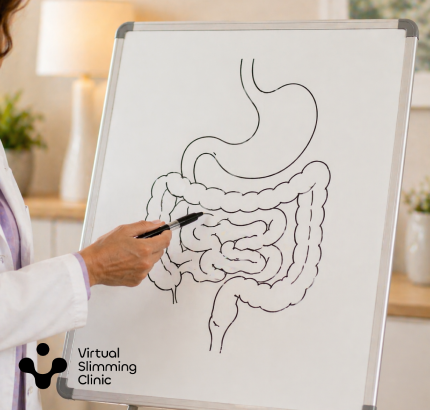
Gallstones are solid deposits that form in the gallbladder, which is a small organ beneath the liver. The gallbladder stores bile, a digestive fluid that helps the body break down fats. When the balance of cholesterol, bile salts and other substances changes, gallstones can develop.
Some gallstones are very small and remain silent for years without causing any symptoms at all. Others can become painful if they block the flow of bile or irritate the gallbladder. In some cases, gallstones are only discovered by chance during a scan for a different problem. In other cases, they are found after episodes of upper abdominal pain, sickness or inflammation.
A person may have gallstones that never cause any noticeable issues, while someone else may have repeated attacks that require treatment or surgery. The clinical context is vital to understand.
Why gallstones matter during weight loss
Gallstones are relevant during weight loss because rapid weight reduction can change bile composition and gallbladder function. When weight drops quickly, the liver may release more cholesterol into bile, and the gallbladder may empty less effectively. That combination can increase the chance of stones forming or existing stones becoming more troublesome.
This does not mean weight loss is bad. The issue is that the speed and pattern of weight loss may matter. Very rapid weight loss, extreme calorie restriction or long gaps between meals can all affect how the gallbladder works. Since Mounjaro can lead to reduced appetite and noticeable changes in eating patterns, this connection should not be ignored.
Causes and risk factors
Gallstones usually develop due to a combination of factors rather than a single cause. Major risk factors are listed and described in the table below.
Symptoms of gallstones
Gallstones do not always produce symptoms, but when they do, the discomfort can be quite distinctive. A common symptom is pain in the upper right side of the abdomen, especially after eating a heavy meal.
The table below elaborates on some further symptoms and indicates how urgently they need to be seen.
Mounjaro and gallstones problems | What the evidence says
Appetite reduction and weight loss treatments may coincide with a higher chance of gallbladder problems in some patients. This may happen because of weight loss itself, changes in eating patterns, slower digestion or pre-existing gallbladder susceptibility.
Not every person who takes Mounjaro will develop gallstones. Equally, not every person with gallstones will automatically be unable to use Mounjaro. The decision depends on whether there is a current problem and any history of complications to determine risk.
For people with known gallstones, Mounjaro should be considered in the context of the whole medical picture. For people without a formal diagnosis but with possible symptoms, the same principle applies.
Potential side effects related to gallstones
Many people taking Mounjaro are aware of common gastrointestinal side effects such as nausea, constipation, reduced appetite or stomach discomfort. These are not the same as gallstones, but can sometimes make them harder to recognise.
Gallstone-related problems may include biliary colic, gallbladder inflammation, or bile duct blockage. In more serious situations, gallbladder issues can contribute to infection or pancreatitis. That is why severe abdominal pain, fever, jaundice, or symptoms that feel different from those expected should be taken seriously.
Frustratingly, some symptoms overlap. Mild nausea may be expected when starting Mounjaro, but nausea combined with sharp right-sided pain or fever is a different matter. Severity and persistence should be your indications of whether proper clinical advice is necessary.
Who is most at risk?
Some groups are more likely to need closer monitoring than others. This includes people with existing gallstones, previous gallbladder attacks, a family history of gallbladder disease or rapid and substantial weight loss during treatment. Patients with obesity or metabolic conditions may also already have a higher underlying risk before treatment even begins.
Can you take Mounjaro with gallstones?
In some cases, yes, but it depends. A person with silent gallstones that have never caused trouble may be managed very differently from someone with repeated complications.
If gallstones are present but not causing symptoms, a prescriber may still consider Mounjaro appropriate, particularly if there is a plan for titration and clear advice about warning signs. However, if you are having active gallbladder pain, recent jaundice, suspected inflammation or ongoing unexplained abdominal symptoms, treatment may need to be delayed or reassessed until the problem has been properly investigated.
How to minimise gallstones risks while using Mounjaro
Pre-treatment assessment
Before starting Mounjaro, it is important to tell your prescriber about any history of gallstones, gallbladder attacks, upper abdominal pain, jaundice or previous gallbladder surgery. Even symptoms that seem minor, such as repeated discomfort after fatty meals, may still be clinically relevant.
A proper review does not always mean treatment will be refused; it simply helps the clinician determine the need for extra caution.
Lifestyle adjustments
Lifestyle habits can also affect risk. Gradual and steady weight loss is usually preferable to crash dieting or extreme restriction. Eating regularly, staying hydrated and avoiding long periods without food may help support more normal gallbladder emptying.
A consistent, balanced routine is usually safer and more sustainable than sharp drops in intake.
Monitoring during treatment
Monitoring does not always mean frequent scans. Often, it means staying alert to symptoms and raising concerns early. New upper right abdominal pain, worsening nausea, tenderness after meals, pain spreading to the back or jaundice should all be reported promptly.
If gallbladder symptoms appear, medical advice should be sought rather than assuming it is just part of the adjustment period.
When to seek medical attention
You should seek medical attention promptly if you develop severe abdominal pain, especially in the upper right side, pain lasting several hours, repeated vomiting, fever, yellowing of the eyes, dark urine, pale stools or tenderness that is getting worse. These symptoms may suggest gallbladder inflammation, duct blockage, or another complication that needs urgent assessment.
Conclusion
Mounjaro may be suitable for some people with gallstones, but it should never be treated as a one-size-fits-all decision. Gallstones, weight loss and digestive side effects can overlap, which means proper assessment is essential before treatment starts and during treatment itself.
For more insights into treatment with Mounjaro and similar alternatives, visit The Virtual Slimming Clinic today. We can offer proper clinical advice, as well as free resources just like this one.
Frequently Asked Questions (FAQs)
Does Mounjaro cause gallstones?
Not in every case. The main concern is that significant or rapid weight loss can increase the risk of gallstones in some people, and Mounjaro may contribute to that process.
Can I take Mounjaro if I have gallstones?
Possibly, yes. If your gallstones are not causing symptoms, a clinician may still decide it is appropriate. If you have active pain, recent complications or uncertain symptoms, you should be assessed before starting or continuing treatment.
How quickly will I know if Mounjaro affects my gallstones?
There is no fixed timeline. Symptoms could appear early if you already have gallstones, or later during ongoing weight loss. Continued awareness matters throughout treatment.
What are the early signs of gallstone problems on Mounjaro?
Possible early signs include upper right abdominal pain, nausea that feels more severe than expected, pain after eating, bloating or discomfort spreading to the back or shoulder.
How often should I monitor my gallstones while on Mounjaro?
There is no universal monitoring schedule. It depends on your history, symptoms, and clinical risk. For many people, routine treatment reviews and prompt reporting of new symptoms are the most important steps.
Is it safe after gallstone removal?
It may be, depending on your overall health and recovery. If you have had your gallbladder removed, a clinician can advise whether Mounjaro is suitable for you and whether any extra follow-up is needed.
.jpg)


.jpg)



























































































.avif)