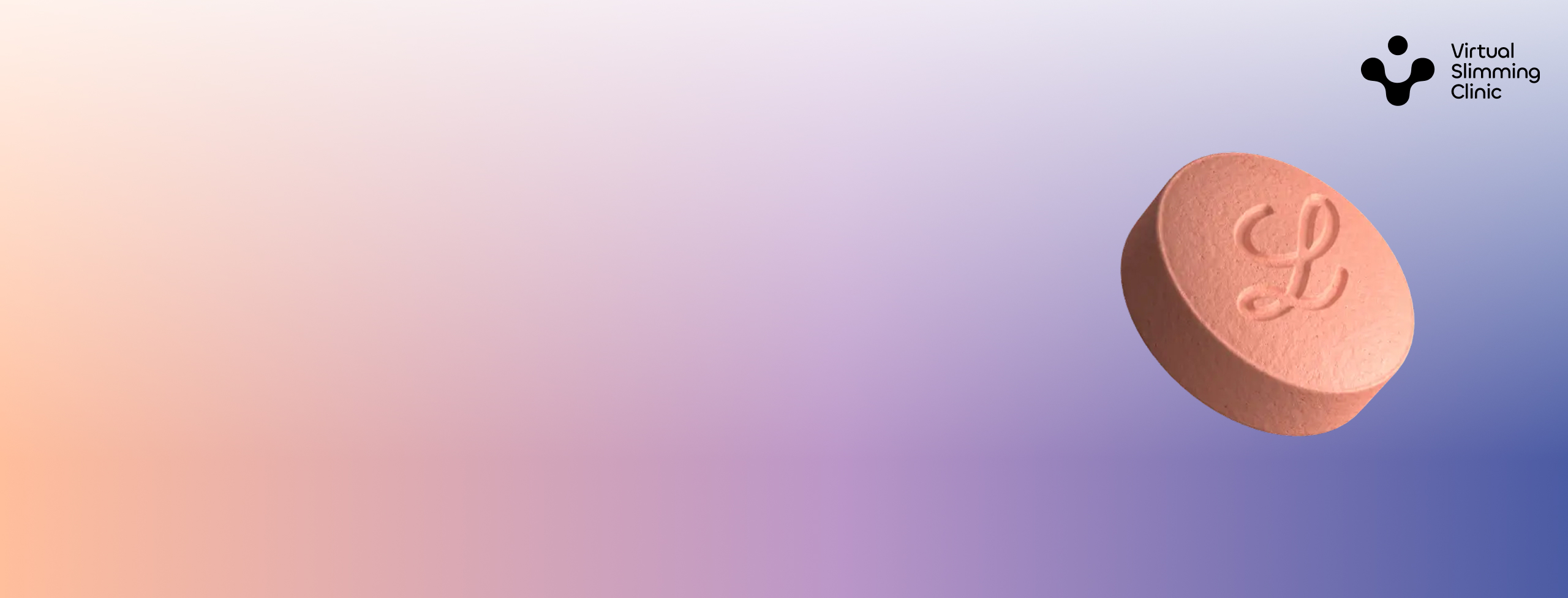
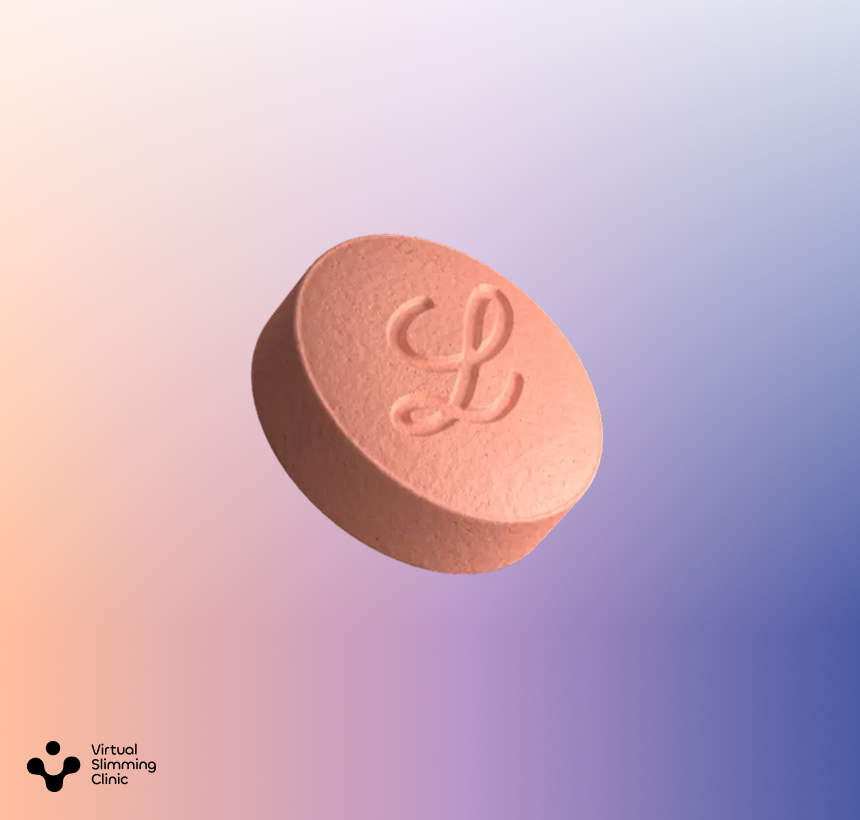


In short: Foundayo is the brand name for orforglipron, a once-daily tablet authorised by the MHRA on 10 August 2026 for weight management and for type 2 diabetes. It is a prescription-only medicine. It belongs to the same class as the injectable treatments you may have heard of, but it is taken by mouth, once a day, at any time — with no food or water restrictions. It is not currently available on the NHS.
This page is factual information for patients who have begun an assessment with us. It is not advice, and it is not a recommendation. Whether any treatment is appropriate for you is a decision for your clinician.
What Foundayo is
Foundayo is the UK brand name for orforglipron, made by Eli Lilly.
The Medicines and Healthcare products Regulatory Agency (MHRA) authorised it on 10 August 2026, making the UK the first country in Europe to license it (MHRA, 2026a).
It is authorised for two separate purposes:
- Weight loss and weight maintenance in adults, alongside a reduced-calorie diet and increased physical activity
- Improving blood sugar control in adults with insufficiently controlled type 2 diabetes
It is a prescription-only medicine. That means it can only be obtained from a registered and regulated pharmacy or clinic, following a prescription from a clinician who has assessed you (MHRA, 2026a).
How Foundayo works
Orforglipron is a GLP-1 receptor agonist.
In plain terms: your body naturally releases a hormone called GLP-1 after you eat. Among other things, it tells your brain you've had enough. Orforglipron mimics that hormone.
The MHRA describes it as acting on the areas of the brain that regulate appetite — helping people feel fuller for longer, reducing hunger, and decreasing food cravings. The result is that people tend to eat less, which supports weight reduction alongside appropriate diet and lifestyle changes (MHRA, 2026a).
In people with type 2 diabetes, it also reduces blood sugar levels when those levels are high (MHRA, 2026a).
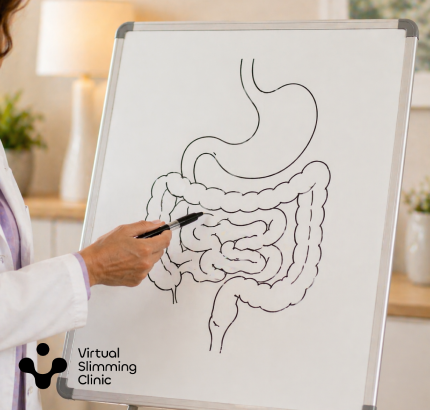
Why it can be a tablet. Most GLP-1 medicines are peptides, which are broken down by stomach acid — which is why they are usually injected. Orforglipron is a small molecule rather than a peptide, so it survives digestion. That is the reason it can be taken as an ordinary tablet with no special handling.
How you take it
Once daily. At any time of day. With or without food. No water restrictions.
Treatment begins at 0.8 mg and steps up through 2.5 mg, 5.5 mg, 9 mg, 14.5 mg and 17.2 mg, with a minimum of one month at each dose level (MHRA, 2026a).
That gradual escalation is deliberate. Stepping up slowly is how side effects are kept manageable, and it is why treatment takes time to reach its full effect. Your clinician decides the pace, and it may be slower than the minimum if you need it to be.
Always follow the instructions in the Patient Information Leaflet supplied with your medicine.
Who it is licensed for
The MHRA authorisation covers adults with:
- a BMI of 30 or above, or
- a BMI between 27 and 30 with at least one weight-related health condition
— alongside a reduced-calorie diet and increased physical activity (MHRA, 2026a).
It is also authorised to improve glycaemic control in adults with insufficiently controlled type 2 diabetes.
Meeting the BMI criteria does not by itself mean treatment is appropriate for you. Your medical history, current medicines, and any existing health conditions all form part of the assessment, and there are circumstances in which orforglipron is not suitable. Those are set out in the Summary of Product Characteristics, and your clinician will go through them with you.
What the clinical trials found
The main trial supporting the weight management authorisation is ATTAIN-1, published in the New England Journal of Medicine in September 2025 and presented at the European Association for the Study of Diabetes annual meeting the same month.
What the trial was. 3,127 adults with obesity, or who were overweight with a weight-related medical problem, and who did not have diabetes. Participants were randomly assigned to a placebo or one of three daily doses of orforglipron, alongside a healthy diet and physical activity, for 72 weeks (Wharton et al., 2025; Eli Lilly, 2025).
Average weight change at 72 weeks
At the highest dose, that averaged 27.3 lb (Eli Lilly, 2025).
How results varied between people. Averages hide a wide spread, so the trial also reported how many people reached particular thresholds. At the highest dose, 59.6% of participants lost at least 10% of their body weight, and 39.6% lost at least 15% (Eli Lilly, 2025).
Which also means a substantial minority did not reach those thresholds. Response to any weight management treatment varies considerably between individuals, and no trial result predicts what will happen for a particular person.
Blood sugar. Of the 1,127 participants who had prediabetes when the trial began, up to 91% of those taking orforglipron reached near-normal blood sugar levels by 72 weeks, compared with 42% on placebo (Eli Lilly, 2025).
Four things worth understanding about these numbers
Everyone in the trial also changed their diet and activity. The medicine was studied alongside a reduced-calorie diet and increased physical activity, not instead of them. The placebo group did the same things and lost 2.1%, which gives you a sense of how the two parts contribute.
72 weeks is nearly a year and a half. These are not short-term figures, and weight change in the trial was gradual.
You may see slightly different percentages quoted elsewhere. Trials report results in more than one way — one measure estimates the effect if the treatment is taken as directed, another includes everyone regardless of whether they stopped. The second is always the lower number. Neither is wrong; they answer different questions.
Trial populations are selected. Participants met specific criteria and were monitored closely. Real-world results are typically more variable.
Reading the trial yourself. ATTAIN-1 is published in full in the New England Journal of Medicine, and the results were presented publicly at EASD 2025. If you want the primary source rather than a summary, that is where to find it — the references at the foot of this page link to both.
Side effects
The most commonly reported side effects are nausea, constipation, diarrhoea, vomiting, dyspepsia (indigestion) and abdominal pain (MHRA, 2026a).
These are digestive effects, and they follow a recognisable pattern: most noticeable in the first few weeks and after each dose increase, then easing as your body adjusts. That pattern is expected rather than a sign something is wrong.
Get medical advice promptly if you experience: severe or persistent abdominal pain, particularly if it spreads to your back; vomiting you cannot keep on top of, or an inability to keep fluids down; signs of dehydration; or severe pain in the upper right of your abdomen or yellowing of the skin or eyes.
The complete list of side effects, including uncommon and rare ones, is in the Patient Information Leaflet and the Summary of Product Characteristics.
Reporting side effects. You can report any suspected side effect directly to the MHRA through the Yellow Card scheme, online or via the MHRA Yellow Card app. Patient reports are how the safety of every UK medicine is monitored after licensing (MHRA, 2026a).
Why it is not available on the NHS
This is one of the most common questions, and the answer is that UK approval and NHS funding are two separate processes.
MHRA authorisation means a medicine has been assessed as safe, effective and of adequate quality to be sold in the UK. That decision was made on 10 August 2026.
NICE appraisal is a separate evaluation of whether the NHS should fund it, weighing clinical benefit against cost. NHS availability follows only after that.
The MHRA has confirmed that while the tablet is approved for use in the UK, it is not currently available via the NHS, and that decisions on NHS use will follow established processes including a NICE evaluation (MHRA, 2026a).
So it is fully licensed and can legitimately be prescribed privately, while not yet being on the NHS. Both are true at once.
Foundayo and the other oral option
Orforglipron is the second oral GLP-1 medicine authorised by the MHRA, after the semaglutide tablet.
The practical difference patients notice most is administration. Orforglipron can be taken at any time of day, with or without food, and with no water restrictions (MHRA, 2026a). The semaglutide tablet requires a fasting window and a water limit.
That is a difference in how the medicine is taken, not a claim that one is better than the other. Which is appropriate for a given person depends on their clinical circumstances, and that is a decision for a clinician.
A note on doses. Doses do not translate between different molecules. There is no validated conversion between orforglipron and any other GLP-1 medicine, and anyone starting orforglipron begins at 0.8 mg regardless of what they have taken previously.
If you are already on another treatment
Any change of treatment is a clinical decision, made by your clinician after reviewing your history and how you have responded so far.
Three things worth knowing before that conversation:
You start at the beginning. Dose escalation starts at 0.8 mg for everyone, so there is a period of stepping back up.
Timing is planned, not improvised. Your clinician will advise on the gap between stopping one treatment and starting another.
Appetite effects change during the transition. That is expected, and it is worth planning for rather than being surprised by.
Do not stop or change any prescribed treatment without speaking to your clinician first.
Buying safely
All GLP-1 medicines are prescription-only. They can only be lawfully obtained from a registered and regulated pharmacy or clinic, following a prescription from a clinician who has assessed you. The MHRA warns that buying GLP-1 medicines from unregulated sellers carries serious health risks (MHRA, 2026a).
If a website will sell you this medicine without a proper assessment, that is the clearest possible sign to go elsewhere. A legitimate supplier will always assess you first, will be registered with the relevant UK regulator, and will make that registration easy to check.
Questions to bring to your clinician
- Does my BMI and medical history make this appropriate for me?
- How does it interact with the other medicines I take?
- What should I expect in the first month?
- How quickly will my dose increase, and what happens if I don't tolerate a step?
- What happens if it doesn't suit me?
Where the official information lives
The Summary of Product Characteristics and the Patient Information Leaflet are the definitive sources for this medicine. Both are published on the MHRA Products website (MHRA, 2026b).
If anything on this page differs from those documents, those documents are correct.
References
Medicines and Healthcare products Regulatory Agency (2026a) UK first in Europe to authorise orforglipron for weight management and type 2 diabetes. Press release, 10 August. Available at: https://www.gov.uk/government/news/uk-first-in-europe-to-authorise-orforglipron-for-weight-management-and-type-2-diabetes
Medicines and Healthcare products Regulatory Agency (2026b) MHRA Products website. Available at: https://products.mhra.gov.uk/
Medicines and Healthcare products Regulatory Agency (2026c) Yellow Card scheme. Available at: https://yellowcard.mhra.gov.uk/
National Institute for Health and Care Excellence (2025) Overweight and obesity management, NICE guideline NG246. London: NICE.
Eli Lilly and Company (2025) Lilly's oral GLP-1, orforglipron, demonstrated meaningful weight loss and cardiometabolic improvements in complete ATTAIN-1 results published in The New England Journal of Medicine. Press release, 16 September. Available at: https://lilly.gcs-web.com/news-releases/news-release-details/lillys-oral-glp-1-orforglipron-demonstrated-meaningful-weight
Wharton, S. et al. (2025) 'Orforglipron, an oral GLP-1 receptor agonist, in adults with obesity (ATTAIN-1)', New England Journal of Medicine. Published online 17 September 2025.

.jpg)


.jpg)

















































































.avif)