



Choosing a path to better health is rarely a straight line – it’s a journey. For some, coaching and kitchen habits are enough. For others, biology, medication history, or time pressures get in the way, and a medical option becomes part of the plan. In recent years, one tool has moved from specialist clinics to mainstream conversations. Weight loss injections. The spotlight is welcome if it encourages careful decisions; it is unhelpful when headlines reduce a nuanced topic to quick fixes. This guide outlines what these treatments entail, what safety looks like on a day-to-day basis, and how to use them responsibly as part of a broader approach to health.
What are weight loss injections?
At their core, weight loss injections are prescription treatments delivered under the skin to support clinically supervised weight management. In routine practice, they sit within a broader framework that prioritises food quality, sleep, stress skills and movement. Health teams make this clear from the outset, ensuring expectations are grounded in reality. Medicines can help, but habits ultimately determine the outcome. With weight loss drugs or weight loss medicine, the goal is to achieve sustainable weight loss, supported by education and regular review.
The decision to consider these treatments is a personal one. Someone with a long history of dieting and rebound may feel relief at having another tool. Another person may prefer to focus purely on food, movement and accountability. Neither view is wrong. What matters is finding an approach that allows you to improve your health markers, function better in daily life, and feel comfortable in your own skin. This guide will focus on that theme: medicine can be helpful, but it is one part of a complete strategy anchored in clear routines and steady follow-up.
Types of weight loss injections
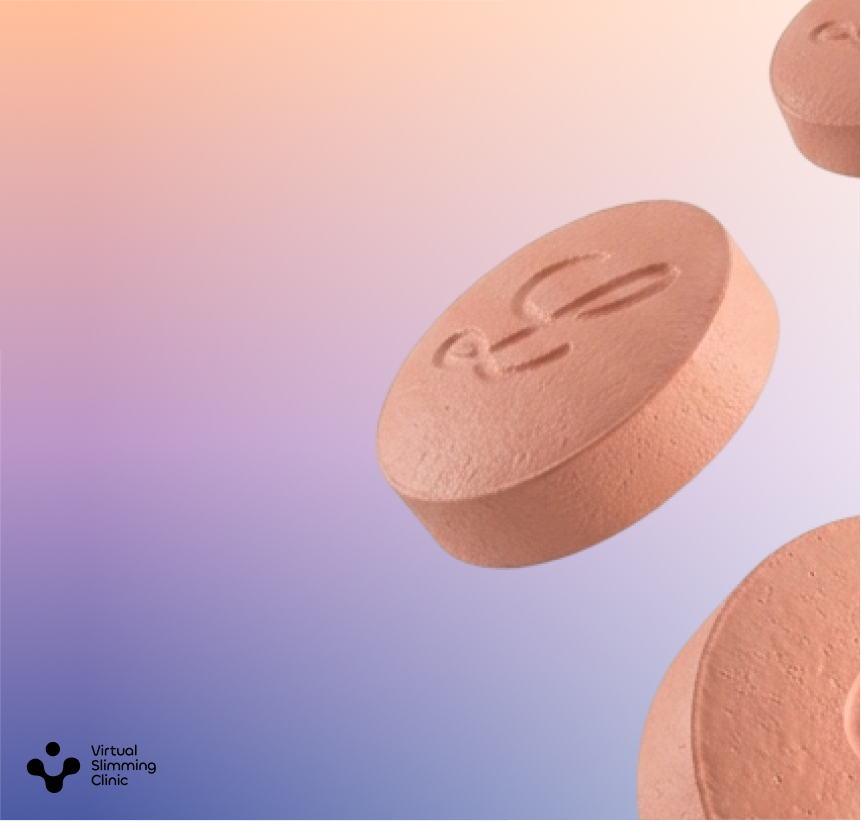
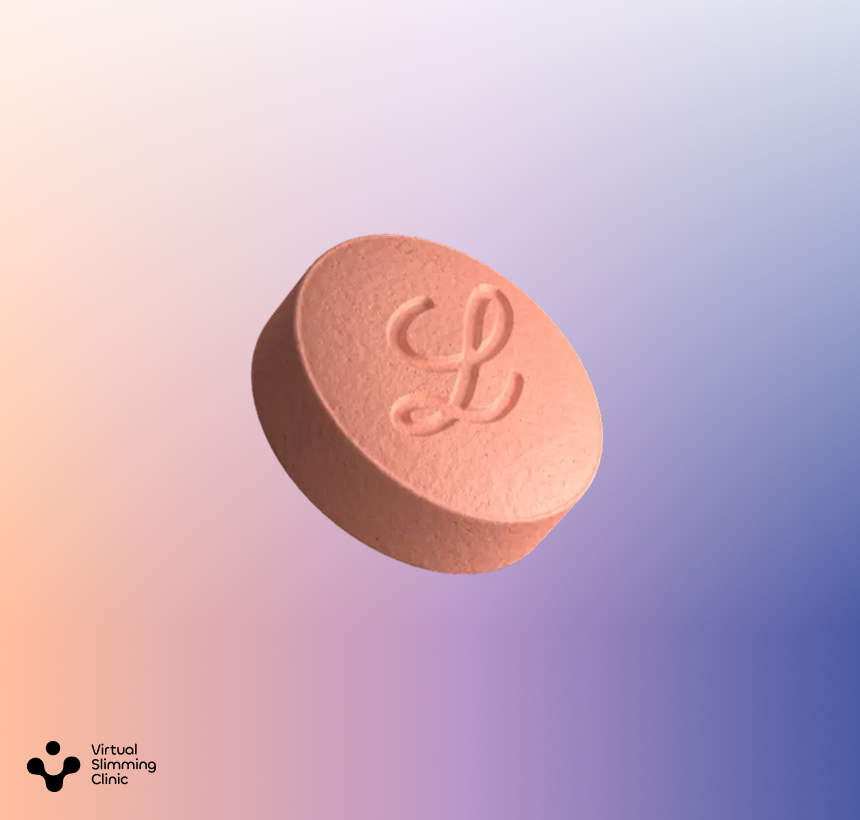
Mounjaro
Mounjaro is often discussed by people exploring weight loss injections. Clinical teams evaluate eligibility, talk through realistic outcomes and explain the day-to-day details that matter far more than any headline. That includes how the pen works, what to expect in the first few weeks and how check-ins will be used to troubleshoot. In chemical form, it’s active ingredient is tirzepatide, a GIP and GLP-1 receptor agonist, both of which impact insulin release, glucagon secretion and gastric emptying, reducing appetite.
Wegovy
Wegovy enters the conversation for similar reasons. People appreciate the predictable rhythm of weekly injections and the steady structure of reviews. Teams suggest practical steps such as dieting and scheduling short movement sessions at set times to maximise the efficacy of the drug. Wegovy is made from semaglutide, a GLP-1 receptor agonist that works similarly to Mounjaro, but on one front rather than two.
Ozempic
Ozempic frequently appears in news cycles and on social media platforms, sometimes generating more heat than light. Responsible services strip the noise away and return to first principles: personalised assessment, education before prescribing and regular follow-up. Ozempic is another semaglutide injection, developed by the same brand, Novo Nordisk, behind Wegovy. However, it’s no longer prescribed solely as a weight loss injection, but rather used as a treatment for type 2 diabetes.
Safety is not a single verdict; it is a framework of checks and behaviours. Used under medical supervision, weight loss injections can be appropriate for some people and inappropriate for others. The difference lies in selection, screening, dosing and monitoring. When those steps are completed carefully, the balance between benefit and risk is usually favourable. When they are skipped, the risk of problems increases.
Why safety matters in weight loss injections
Avoid serious side effects
Putting safety first helps limit serious side effects. A thorough onboarding process collects medical history, current prescriptions, and previous responses to medications. Education then covers technique, what to do if you feel unwell and who to contact. The early weeks are a learning period during which you and your clinician observe how your body responds and adjust as needed. This steady approach reduces the chance of a rocky start and builds confidence.
Prevent misuse and overdoses
Good systems prevent accidental misuse. People sometimes assume that a bigger or more frequent dose leads to faster progress. In reality, deviating from the script can increase discomfort and complicate follow-up. Yes, titration does involve increasing doses over time. Still, the safest path is simple: take only your prescribed product, never share devices, and adhere to the timetable agreed upon with your prescriber. If a situation knocks you off routine – illness, travel or stress – ask for guidance rather than guessing.
Ensure effectiveness
For most people, the real-world effectiveness of any plan stems from the comprehensive package of medicine and practical habits. That is why programmes pair the injection with a reduced-calorie diet that emphasises whole foods and adequate protein. They also encourage regular physical activity in forms you enjoy, because enjoyment sustains consistency. Over time, small exercise changes compound. That is how you create momentum that continues to work between reviews. The details are personal, but the principle remains the same: establish routines that you can consistently follow.
Protect overall health
Weight is only one measure. Responsible users and services also monitor key indicators and your overall well-being on a day-to-day basis. Considerations may include blood pressure tracking, regular checks on sleep and mood, and simple recovery tactics such as walking after meals and winding down at night. If you have high blood pressure or a history of cardiovascular disease, your team will tailor the plan and escalation pace. That broader view helps you move toward a healthy weight while protecting your overall well-being.
Avoid fake or contaminated products
Another reason to keep safety front and centre is the risk of counterfeit or contaminated products when people buy from unofficial sources. Unregulated suppliers raise the chance of dosing errors or infections. Sticking to legitimate routes keeps you within systems that can act quickly if a batch problem is identified and ensures you receive clear information on storage, disposal and support.
Safety considerations of weight loss injections
MRHA approval and regulations
Regulatory approval and clear labelling are important baselines. They indicate that a product has been reviewed for its intended use and that the manufacturing process meets quality standards. Approval does not guarantee that every person will benefit from the drug, but it does create a shared language for discussing benefits and risks. It also keeps you away from grey-market products with unknown contents. In practice, regulation supports informed consent: you understand what the injection is for, how it is used and what to expect as you progress. That clarity improves adherence and protects outcomes.
Common side effects
Every treatment carries the possibility of effects you would rather avoid. With weight loss injections, people often report early digestive changes or a temporary dip in appetite and energy. These are common side effects and usually subside once the dosing levels are adjusted. Hydration, mindful meal timing, and a calm pace of change can help. If anything feels out of the ordinary, you pause and check in rather than push through. If symptoms persist, you pause, get help and return to the plan when you can continue weight loss safely.
Long-term safety concerns
Long-term safety centres on choosing the right candidate and building the plan around the person. That involves thinking ahead. How will you transition to maintenance, and what support will you keep in place? It also involves being alert to interactions with existing conditions. If you have a history of heart disease, consider that carefully. If your blood pressure tends to run high, look at the bigger picture before deciding whether to proceed. All of this reduces risk and keeps your plan aligned with the rest of your life.
Factors influencing injection safety
Medical history and health conditions
Your starting point shapes the plan. Clinicians consider your body mass index, current body weight, previous response to similar therapies, and any indicators that would warrant caution. They will ask about kidney and liver health, gallbladder history and mood. By pulling these threads together, the team can recommend the most suitable option among the available weight loss drugs, select a starting dose, and schedule the first review at the appropriate interval.
Correct injection technique
Technique matters. You should be told how to prepare, where to inject and how to rotate sites to reduce irritation. Clean hands, clean skin and careful disposal protect you and others. If the plan involves weekly injections, setting a reminder and coupling it with a simple checklist can help reduce errors.
Adherence to dosage and schedule
Following the prescribed steps helps your body adapt predictably, allowing your clinician to interpret any reactions with confidence. If you miss a dose, you contact the service rather than guessing. If something unusual occurs, you make a note for your next check-in. This steady approach keeps the focus on progress and reduces noise in the data.
Medication storage and handling
Storage seems simple until travel, heat, or a busy household complicates it. Weight loss injection pens, such as Wegovy and Mounjaro, should be stored in the refrigerator at temperatures between 2°C and 8°C (36°F and 46°F). Good handling preserves product integrity and lowers the chance that degradation leads to unpleasant reactions.
Concurrent medications
Always bring a complete and up-to-date list of prescriptions and supplements to your appointments. Some combinations are best avoided, while others require adjustments in timing. Your clinician may adjust the plan or ask your GP or specialist to weigh in. Coordinated care reduces the likelihood of bumps in the road and helps you stay on track.
Best practices for safe use of weight loss injections
Get a professional prescription
The safest route is to work with a qualified prescriber. They will check eligibility, explain alternatives and outline what support looks like through the first months. That includes how to recognise serious side effects, when to seek help and how to manage little hurdles such as nausea or low appetite if they arise.
Follow the prescribed dosage and schedule
Take your medicine as directed. If life gets hectic and you miss a dose, don’t improvise. A quick call or message keeps you within the safety rails and avoids confusion later. Many people find that the simplicity of weekly injections fits well with a Sunday reset routine.
Maintain hygiene
Hygiene is a modest effort with a significant upside. Wash your hands, use an alcohol swab, let the skin dry, inject and dispose of sharps properly. If redness or swelling persists, seek medical advice promptly.
Monitor for side effects
Keep a simple note on your phone for the first few months. Record appetite, energy, sleep, digestion and mood. If your clinician suggests it, track blood pressure occasionally to build a picture of how your system is responding.
Avoid unverified sources
Only use pharmacies and clinics that are regulated and reputable. Unofficial channels introduce uncertainty about content, storage, and dosage, and come with an increased risk that isn’t worth it. Working inside a verified system also gives you access to troubleshooting, device replacements if needed and advice on practical matters.
Combine with healthy habits
Medicine supports your work; it does not replace it. Thoughtful lifestyle changes make the rest possible. Build meals around lean protein, colourful plants and slow-digesting carbohydrates to maintain a healthy diet without feeling deprived. Keep physical activity realistic and enjoyable so that it becomes a permanent part of your weekly routine. Over time, these patterns reinforce weight management and help you settle at a healthy weight that feels sustainable.
Access weight loss injections with The Virtual Slimming Clinic
When used with care and integrated into a comprehensive plan, weight loss injections can be a valuable option for the right individual. The fundamentals remain the same as ever: informed consent, careful prescribing, steady follow-up and habits that work in real life. Instead of chasing dramatic short-term changes, focus on systems you can maintain, such as meal structure, movement you enjoy, and recovery that restores you, so that your progress is sustained.
If you want to access weight loss injections and resources for information, visit us at The Virtual Slimming Clinic today. We provide injections to prescribed parties, along with blogs like this one, to keep patients informed.
Frequently Asked Questions
When are weight loss injections not safe?
There are circumstances where a prescriber may advise against treatment or defer the decision. Examples include pregnancy and breastfeeding, certain endocrine conditions and specific interactions with other therapies. A recent cardiovascular event is another reason to pause and review. The purpose of screening is to weigh the potential benefits against the increased risk in the context of your medical history and personal goals. If the balance leans the wrong way, your team will recommend a different route and revisit the option later if appropriate.
How fast do weight loss injections work?
Everyone starts from a different place. Some people report early shifts in appetite or food cravings; others notice a steady change that accumulates over several weeks. The fastest determinants of pace are your routines around diet and exercise, as well as your ability to maintain a reduced-calorie diet without feeling overly restricted. Think season, not weekend. Weeks of consistent work compound and make the outcome more durable.
Are the weight loss results permanent?
No treatment guarantees permanence. Durability comes from what you build around the injection: grocery habits, meal prep, sleep, stress management skills, and movement that protects your muscles. Over time, these behaviours make it easier to maintain a lower body weight and sustain momentum when the medical intervention is reduced or stopped. That is why follow-up includes maintenance planning rather than ending the relationship the day the last device is used. It’s worth noting that weight loss injections are prescribed as a treatment for a chronic illness (obesity), implying that weight gain could return if treatment is halted.
Can weight loss injections help with appetite control?
One of the primary reasons for taking weight loss injections is to support appetite and satiety. These chemicals make it easier to follow a plan and keep to a diet and exercise routine. The outcome is less willpower wrestling and more calm consistency, which in turn supports ongoing weight loss across months.
Are weight loss injections suitable for people with type 2 diabetes?
Suitability is individual. In some cases, programmes use weight loss medicine alongside other care for people living with type 2 diabetes, but only after a thorough review of current prescriptions and wider health markers. The goal is to achieve a healthy weight while maintaining overall well-being.
.jpg)


.jpg)


























































































.avif)