

Quick answer: Ozempic does not directly cause vision loss in most people, but changes in blood sugar levels and existing diabetic eye conditions can sometimes lead to temporary or worsening vision problems.
What is Ozempic?
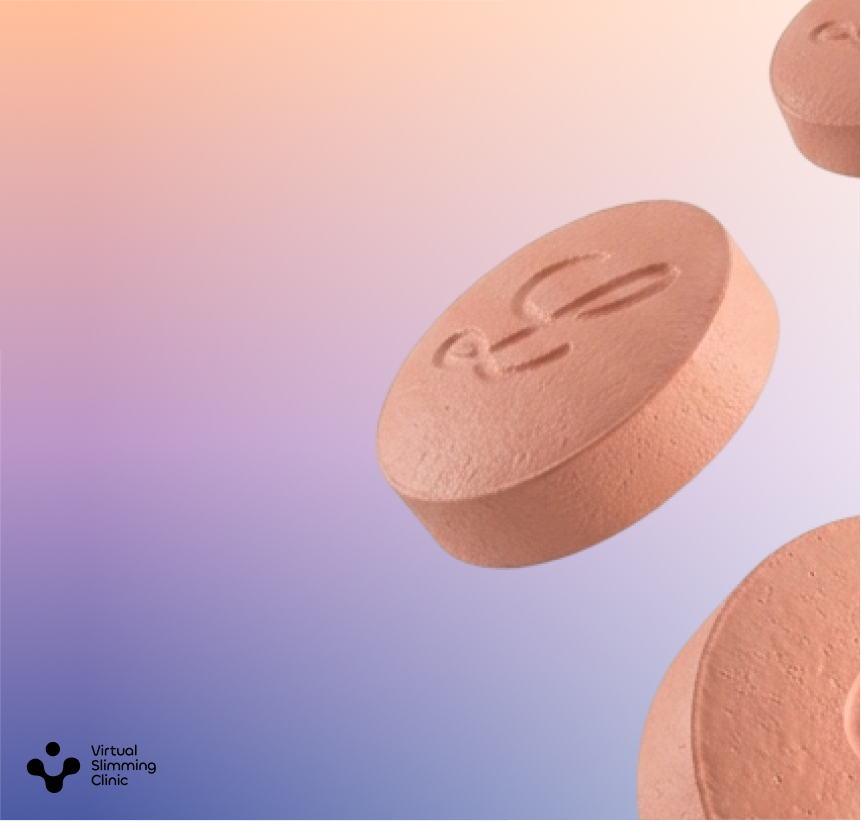
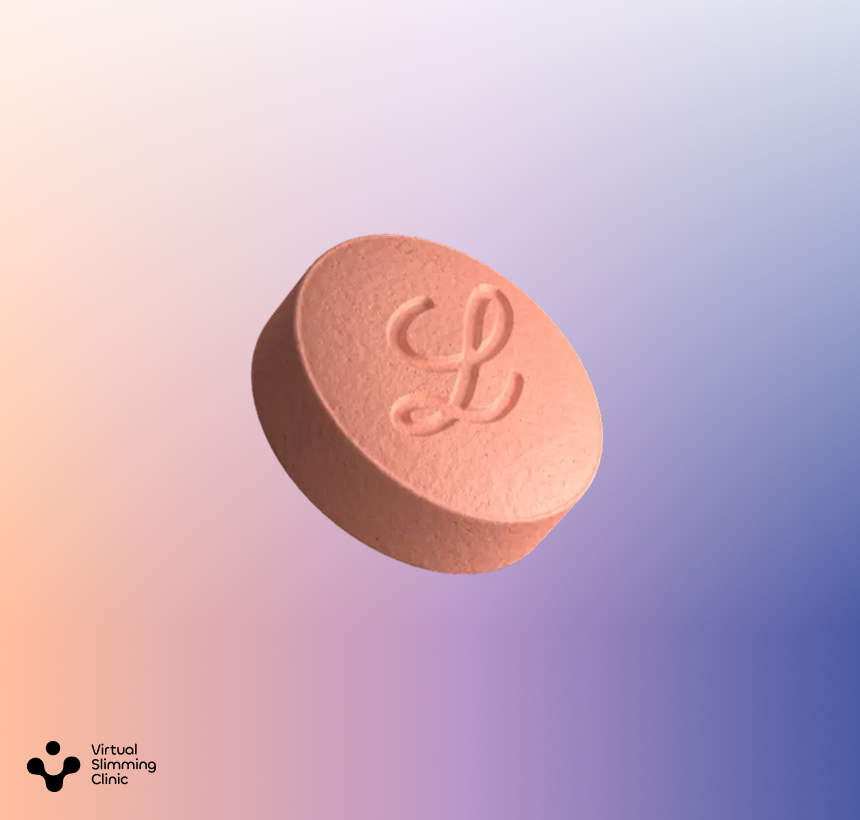
Ozempic is a prescription medication that contains semaglutide, a drug used to help manage type 2 diabetes. It belongs to a class of medications known as GLP-1 receptor agonists. These medications mimic a hormone in the body called glucagon-like peptide 1, which plays a key role in regulating blood sugar levels.
Ozempic works in several ways to support glucose control. It stimulates the pancreas to release insulin when blood sugar rises, slows the rate at which the stomach empties food into the bloodstream, and reduces the amount of glucose produced by the liver. Together, these effects help prevent large spikes in blood sugar after meals.
The medication is typically taken as a once-weekly injection and is prescribed alongside lifestyle changes such as improved diet and increased physical activity. In addition to managing blood sugar, Ozempic has been shown to help many patients lose weight, which is why it is sometimes prescribed off-label or in combination with related medications for weight management. These days, semaglutide is generally prescribed as Wegovy for weight loss.
While Ozempic can provide significant benefits for people living with type 2 diabetes, some patients have concerns about potential side effects, including whether the medication could affect vision or eye health.
Is Ozempic linked to vision loss?
Concerns about vision problems often arise when people begin a new diabetes medication. Since diabetes itself is strongly associated with eye conditions such as diabetic retinopathy, it can sometimes be difficult to determine whether symptoms are related to the medication or the underlying condition.
Ozempic is not widely known to directly cause vision loss. However, some people may notice changes in their vision while using the medication, especially in the early stages of treatment when blood sugar levels are improving rapidly.
These vision changes are usually temporary and linked to the body adjusting to new glucose levels rather than damage caused by the medication itself.
What research says
Clinical studies involving semaglutide have examined a wide range of potential side effects. In some trials, a small number of participants experienced worsening diabetic retinopathy. This condition occurs when high blood sugar damages the blood vessels in the retina.
Researchers believe the issue is not caused directly by the drug but by the rapid improvement in blood sugar control. When glucose levels drop quickly, the retina can temporarily react to the sudden change. This phenomenon has been observed with other diabetes treatments as well.
It is important to note that most patients using Ozempic do not experience significant eye complications. The majority tolerate the medication well and benefit from improved long-term blood sugar control, which actually helps reduce the risk of future eye damage.
Risk factors for vision issues
Some people may have a higher risk of experiencing vision changes while taking Ozempic. These risks are often related to existing health conditions rather than the medication alone.
Patients who have long-standing diabetes, uncontrolled blood sugar levels or a history of diabetic eye disease may be more vulnerable to changes in vision.
Understanding these risk factors can help patients and healthcare providers manage treatment safely and take preventive measures to protect eye health.
Risk factors and their impact on the eyes
Being aware of these risks allows patients to work with their healthcare providers to create a treatment plan that balances effective diabetes management with eye health monitoring.
Symptoms of vision problems while on Ozempic
Some people may notice mild symptoms in the early stages of Ozempic treatment. These symptoms may include:
- Blurred vision
- Difficulty focusing on nearby objects
- Increased sensitivity to light
- Dark spots or floaters in vision
- Fluctuating vision clarity throughout the day
In many cases, blurred vision occurs because fluctuating blood sugar levels affect the shape of the eye's lens. As glucose stabilises, the lens gradually returns to its normal shape and vision often improves.
However, more serious symptoms, such as sudden vision loss, persistent dark areas in vision, or flashes of light, could indicate underlying retinal issues that require medical evaluation.
Can Ozempic cause other eye problems?
Although vision loss itself is uncommon, some individuals may experience temporary visual disturbances while using Ozempic.
When glucose levels rise or fall rapidly, fluid levels within the eye can change, altering how the lens focuses light and blurring vision.
Another possible concern is the progression of diabetic retinopathy in individuals who already have the condition. As blood sugar improves quickly, retinal blood vessels may react before stabilising.
It is also important to remember that diabetes itself is the primary cause of most eye complications in these cases. Conditions such as diabetic macular oedema, retinal damage or cataracts are generally related to long-term high blood sugar rather than specific medications.
Maintaining consistent glucose control remains the most important step in preventing these complications.
How to protect your vision while taking Ozempic
Taking proactive steps can significantly reduce the likelihood of vision problems during diabetes treatment. Regular monitoring and healthy lifestyle habits play a major role in maintaining both blood sugar control and eye health.
Regular eye check-ups
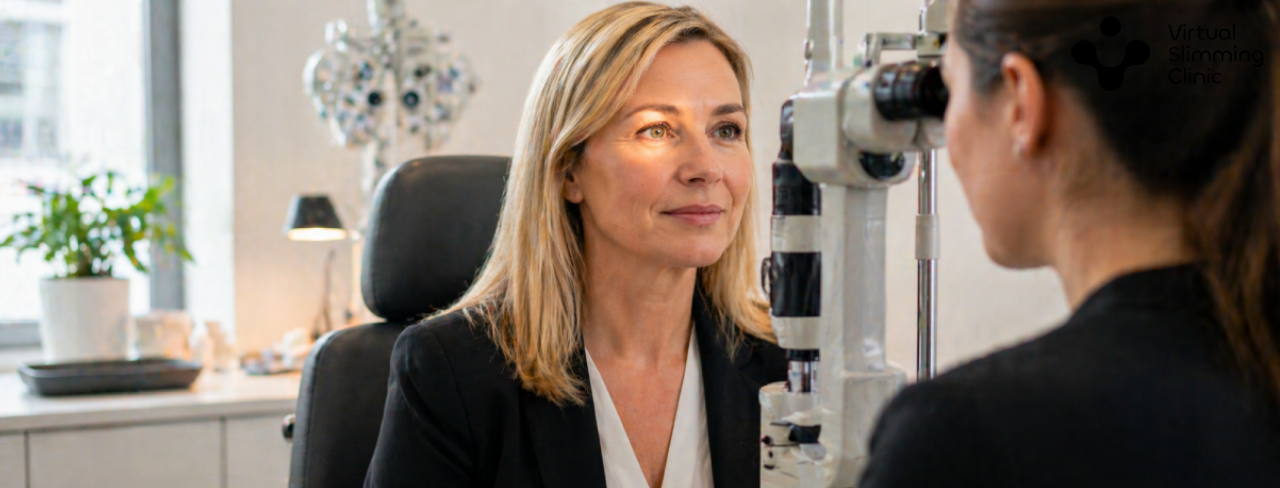
Routine eye exams are essential for anyone living with diabetes. An eye specialist can detect early signs of retinal damage long before noticeable symptoms appear.
Annual dilated eye exams allow doctors to examine the retina and identify potential problems early. If a patient already has diabetic retinopathy, more frequent monitoring may be recommended.
Early detection allows for timely treatment and helps prevent long-term vision damage.
Monitor blood sugar levels
Stable blood sugar levels help protect the tiny blood vessels in the eyes. Monitoring glucose regularly helps identify patterns and prevent sudden spikes or drops.
Working closely with a healthcare provider to adjust medications, diet and physical activity can help maintain a steady glucose range. Consistent blood sugar control is one of the most effective ways to reduce the risk of diabetic eye disease.
Healthy lifestyle
Healthy daily habits support both metabolic health and eye function.
Eating balanced meals that include fibre, lean protein and healthy fats helps stabilise blood sugar. Regular physical activity improves insulin sensitivity and circulation throughout the body, including the eyes.
Adequate sleep and stress management also contribute to better blood sugar control and overall health.
Medication management
Much like insulin, taking Ozempic exactly as prescribed is important for safe and effective treatment. Skipping doses or adjusting medication without medical guidance can lead to unstable glucose levels.
Patients should also inform their doctor about any new symptoms, including vision changes. Adjustments to medication or dosage may sometimes be recommended to improve tolerance.
Gradual weight loss
Many people taking Ozempic experience weight loss, which can be beneficial for managing diabetes. However, extremely rapid changes in weight may affect metabolic balance.
A gradual and sustainable approach to weight loss is generally recommended. Balanced nutrition and consistent physical activity help ensure that improvements in blood sugar occur steadily rather than abruptly.
Protection measures for eye health
When to seek medical advice
While mild vision changes can occur temporarily as blood sugar stabilises, certain symptoms should always be evaluated by a healthcare professional.
You should seek medical advice if you experience:
- Sudden or severe vision loss
- Persistent blurred vision that does not improve
- Dark spots or shadows in your vision
- Flashes of light or floaters
- Eye pain or pressure
These symptoms may indicate diabetic retinopathy or another eye condition that requires prompt treatment. If you already have diabetic eye disease, your healthcare provider may recommend closer monitoring when starting Ozempic or adjusting your diabetes treatment.
Conclusion
Ozempic is a widely used medication that helps many people manage type 2 diabetes and improve blood sugar control. While some individuals may experience temporary vision changes during treatment, these symptoms are usually related to fluctuations in blood glucose rather than direct damage caused by the medication.
For people with existing diabetic eye conditions, careful monitoring is important when starting Ozempic. Maintaining stable blood sugar levels, attending regular eye exams and following medical guidance can greatly reduce the risk of complications.
In fact, effective diabetes management often protects long-term eye health by preventing the damage caused by consistently high blood sugar.
For more insights into weight loss treatments, visit The Virtual Slimming Clinic. We’ve got blogs just like this one, as well as offering proper clinical advice for all prescriptions and related issues, so you can feel confident on your weight loss journey.
Frequently Asked Questions
Can Ozempic cause permanent vision loss?
Permanent vision loss caused directly by Ozempic is extremely rare. Most vision issues reported during treatment are temporary and related to changes in blood sugar levels. However, individuals with advanced diabetic retinopathy may need careful monitoring during treatment.
Does blurred vision from Ozempic go away?
Yes, blurred vision often improves as blood sugar levels stabilise. The lens of the eye can temporarily change shape as glucose levels shift, affecting focus. Once blood sugar becomes more consistent, vision usually returns to normal.
Should I stop taking Ozempic if I experience vision changes?
You should not stop taking Ozempic without consulting your healthcare provider. Mild vision changes may resolve as your body adjusts to treatment. However, persistent or severe symptoms should be evaluated by a medical professional.
Who is most likely to experience vision problems on Ozempic?
People with long-standing diabetes, uncontrolled blood sugar levels or pre-existing diabetic retinopathy may be more likely to experience vision changes. These individuals often benefit from closer eye monitoring during treatment.
Are other GLP 1 medications linked to vision issues?
Other GLP-1 medications, such as Wegovy, Trulicity, and Victoza, work similarly to Ozempic. Vision changes associated with these medications are usually due to rapid improvements in blood sugar rather than direct eye damage.
How often should I have an eye exam while on Ozempic?
Most people with diabetes should have a comprehensive dilated eye exam at least once per year. If you have existing eye disease or develop new symptoms, your eye specialist may recommend more frequent examinations.

.jpg)


.jpg)
























































































.avif)