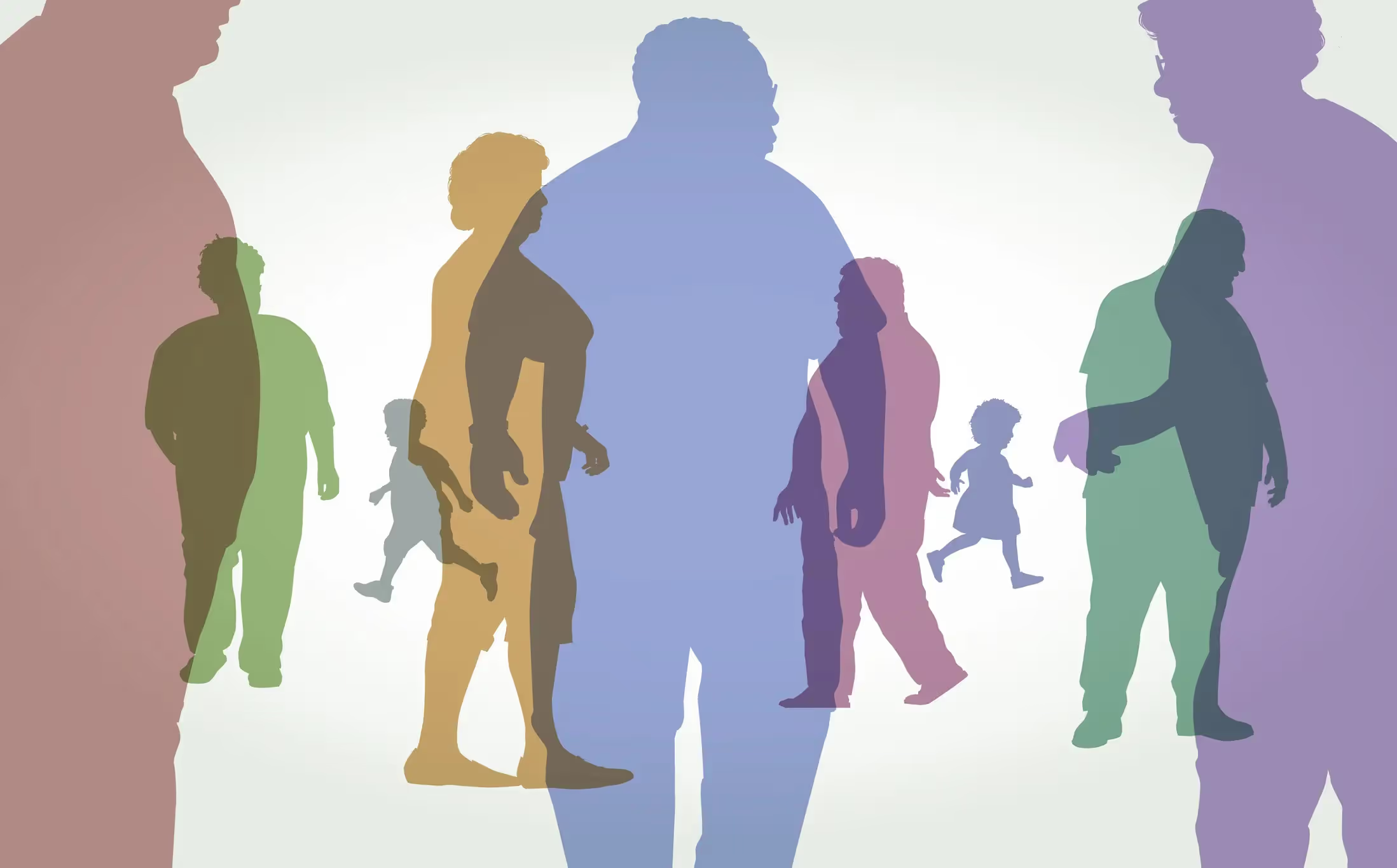


Obesity has become a significant public health concern in the UK, impacting millions of adults and children, with countless people struggling to find sustainable pathways to healthy lifestyles. It’s not just about appearance; it’s a complex, chronic disease with a range of health implications. Understanding obesity – from its definition to its health risks and treatment options – is essential for tackling and offsetting it effectively. This blog offers a comprehensive overview of the condition, exploring its causes, impact and solutions for management.
Note: This blog should not be used in lieu of medical advice. If you’re struggling with obesity at a critical state, make sure to get in touch with your doctor.
WHO Global Key Facts
The World Health Organization (WHO) highlights how widespread the issue has become:
- In 2022, 1 in 8 people in the world were living with obesity.
- Worldwide adult obesity has more than doubled since 1990, and adolescent obesity has quadrupled.
- In 2022, 2.5 billion adults (18 years and older) were overweight, with 890 million living with obesity.
- In 2022, 43% of adults aged 18 years and over were overweight, and 16% were obese.
- In 2022, 37 million children under the age of 5 were overweight.
- Over 390 million children and adolescents aged 5–19 years were overweight, including 160 million living with obesity.
These statistics make it clear that overweight and obesity are not niche problems – they are global crises affecting people of all ages and in many different regions of the planet.
What is Obesity?
So, what is obesity? According to the World Health Organization, it is a condition marked by an abnormal or excessive accumulation of body fat that can impair health. While weight fluctuates naturally and many people will never have long-term consistency, obesity reflects a sustained level of excess body fat that interferes with normal bodily functions and raises disease risks. It changes the way the body looks, feels and works in more ways than you might even imagine.
Clinically, doctors often define obesity using the Body Mass Index (BMI), which calculates a ratio of body weight to height.
- Overweight. BMI between 25 – 29.9 kg/m².
- Obese. BMI of 30 kg/m² or above.
However, BMI is a blunt tool that can’t really offer the full picture when it comes to body weight and health. It doesn’t account for waist circumference, muscle mass or fat distribution. For example, someone with a high muscle mass might appear “overweight” by BMI, even if they have a relatively low body fat content. Doctors, therefore, will generally combine BMI with other measures such as:
- Waist circumference. An indicator of abdominal fat, which is associated with increased risks of heart disease and metabolic syndrome.
- Skinfold thickness tests. Measuring body fat at specific sites to determine where fat is held and more.
- Blood tests. To check for related medical conditions like high cholesterol or high blood sugar, which can quickly be linked to blood pressure, heart disease and more.
Understanding how we classify obesity is important because it shapes how health professionals design interventions. It’s vital to remember that obesity management and treating obesity effectively will look different from person to person, with consistency generally coming in the form of the calorie deficit concept.
Types of obesity
Obesity isn’t uniform – it can rear its ugly head in a wide variety of different ways depending on where fat accumulates and the underlying factors involved in a person’s physiology.
- Central (visceral) obesity. Fat is stored deep in the abdomen and around the internal organs. This form of obesity is strongly associated with diabetes, heart disease and metabolic syndrome.
- Peripheral (subcutaneous) obesity. Fat is stored just beneath the skin, particularly around the hips, thighs and buttocks. Less harmful when compared to more central varieties, but it can still increase risk over time.
- Genetic or congenital obesity. Linked to rare mutations that directly affect appetite regulation or metabolism. These hereditary forms of obesity can be more complex to manage than others.
- Metabolic obesity. This metabolism–focused form of obesity is often linked with fatty liver disease, insulin resistance and imbalances in hormones controlling appetite.
- Hormonal or endocrine obesity. Associated with hormonal disorders such as hypothyroidism or Cushing’s syndrome. These conditions slow down metabolism and digestion, leading to more calories being held onto by the body.
Recognising the form of the condition in your body can help tailor obesity management strategies.
What is the obesity rate in the UK?
Current statistics paint a concerning picture about the current state of the UK.
- Overall prevalence. Around 64% of adults are overweight or obese, with 26% classified as obese.
- Age. Rates are highest among adults aged 45–74, where over 70% fall into the overweight or obese category.
- Gender. Men (68.6%) are slightly more likely than women (59%) to have issues related to being overweight or obese.
- Trends. Obesity rates have steadily risen since the 1990s. The proportion of obese adults in England doubled between 1993 (14.9%) and 2019 (28%).
- Socioeconomic disparity: People in deprived areas face greater barriers to a nourishing, healthy diet and physical activity, making obesity more common among underprivileged communities.
- Children: Roughly 1 in 10 children are obese by age 5, climbing to 23% by age 11. Childhood obesity is a particular concern because it predicts lifelong health risks.
Compared internationally, the UK ranks tenth in obesity prevalence among OECD nations, with countries like Japan showing far lower rates than we do on our own soil.
Symptoms of obesity
Obesity does not always cause immediate symptoms beyond changes in appearance, but as excess body fat builds, with the signs compounding to include more than you can see.
- Persistent shortness of breath.
- Increased sweating.
- Snoring and disturbed sleep.
- Fatigue and lack of stamina.
- Joint or back pain due to extra body weight.
- Low self-esteem and avoidance of physical activity.
These sorts of symptoms and issues may seem manageable at first, but they often precede more serious medical conditions. The discomfort that you feel from obesity should be recognised as signs that your body is in poor condition.
Causes of obesity
Obesity has many causes, which interact in complex ways.
- Diet. Eating too much high-calorie food and high-sugar foods (like fast food, sweets and sugary drinks) will add to obesity.
- Physical inactivity. Sedentary jobs, less walking and more screen time reduce calorie expenditure.
- Genetics. Certain people are simply predisposed to gain weight more easily.
- Socioeconomic factors. Healthy food may be less affordable or accessible in deprived areas.
- Psychological factors. Stress, depression and emotional eating contribute to unhealthy eating habits.
- Sleep deprivation. Alters hormones that regulate appetite, leading to overeating.
Understanding causes helps identify strategies for obesity management. It’s also worth remembering that at the end of the day, the long and short of what “causes” obesity is a person taking in more calories than they expend, whatever the wider complications might be.
Hormonal triggers of obesity
Hormones influence countless bodily functions, including that they can strongly influence how fat is stored.
- Leptin resistance. Normally signals fullness but stops working effectively, causing overeating.
- Insulin resistance. Impairs sugar control, leading to fat storage and metabolic syndrome.
- Cortisol. Elevated with stress, in turn, encourages abdominal fat gain.
- Thyroid hormones. Low thyroid function slows metabolism and promotes fat accumulation.
Obesity and its health risks
Obesity increases the risk of several conditions, many of which can even result in death if not dealt with in good time.
- Cardiovascular disease. Higher rates of heart disease, stroke and high blood pressure, often eventually fatal if left unchecked.
- Type 2 diabetes. Linked to excess fat and insulin resistance, it comes with its own set of complications.
- Certain cancers. Bowel, breast, pancreatic and endometrial cancers are more commonly caused by obesity, but the condition is linked to at least 13 forms.
- Musculoskeletal problems. An extra load on joints can lead to osteoarthritis and chronic pain, making everyday life extremely uncomfortable.
- Sleep apnea. Caused by fat deposits around the airway, which mess with the respiratory system during sleep.
- Pregnancy complications. Increased risk of gestational diabetes, hypertension and complications during delivery.
- Mental health issues. Anxiety, depression and stigma related to obesity and overweight status.
These health risks highlight why treating obesity promptly and effectively is so important.
How doctors diagnose obesity
Diagnosis involves much more than simply performing calculations and consulting a BMI chart. Doctors may:
- Measure waist circumference to check for abdominal fat buildup.
- Assess family history, eating habits and general movement levels.
- Run blood tests for cholesterol, insulin resistance or metabolic syndrome.
- Examine associated medical conditions, such as fatty liver disease or sleep apnea.
A comprehensive approach ensures treatment targets both weight and its related risks, offering a more 360-degree picture of the situation.
Treatment and management of obesity
There is no single cure, but obesity management includes several strategies:
Healthy diet
Replacing high-calorie food and high sugar foods with a healthy diet built around vegetables, whole grains, and lean protein is key to ensuring a calorie deficit. Portion control helps reduce excess fat without starvation.
Physical activity
The NHS recommends at least 150 minutes of moderate physical activity per week. Regular movement not only burns calories but also helps maintain a healthy weight after you lose weight initially. It also increases fitness moving forward.
Behavioural therapy
Working with therapists can help people change eating habits, manage stress and develop long-term coping mechanisms for any emotional baggage they have attached to eating.
Weight loss medication
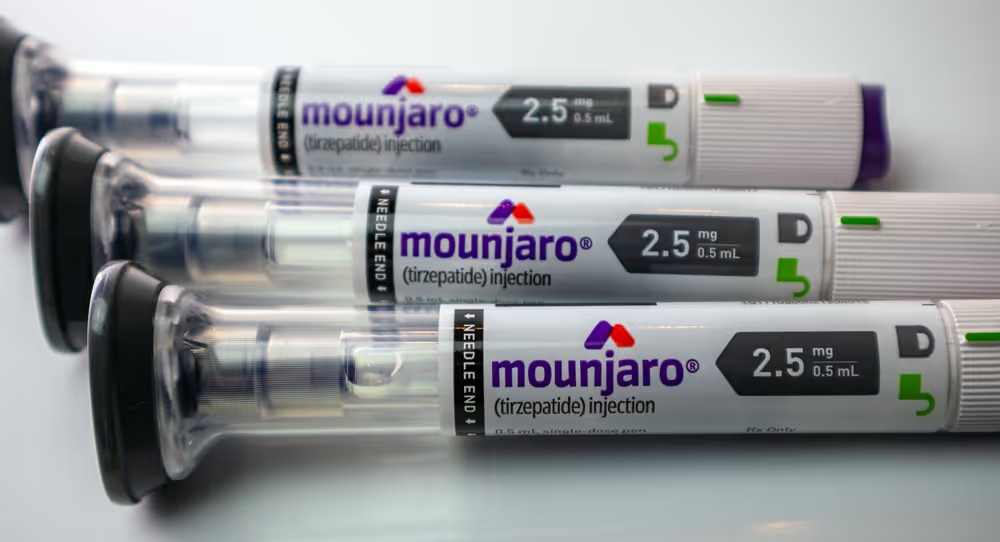
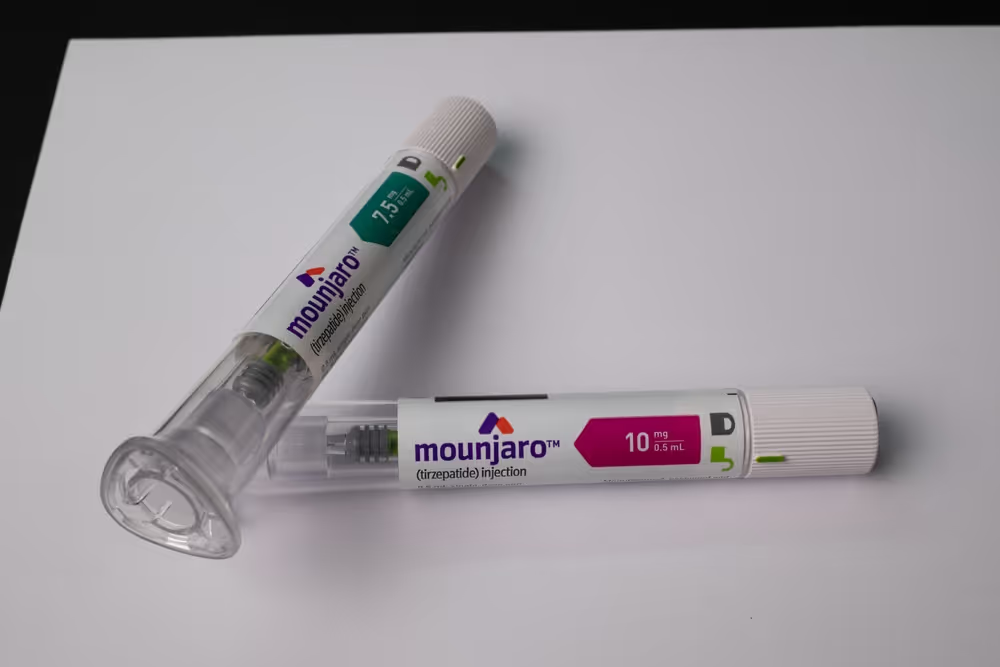
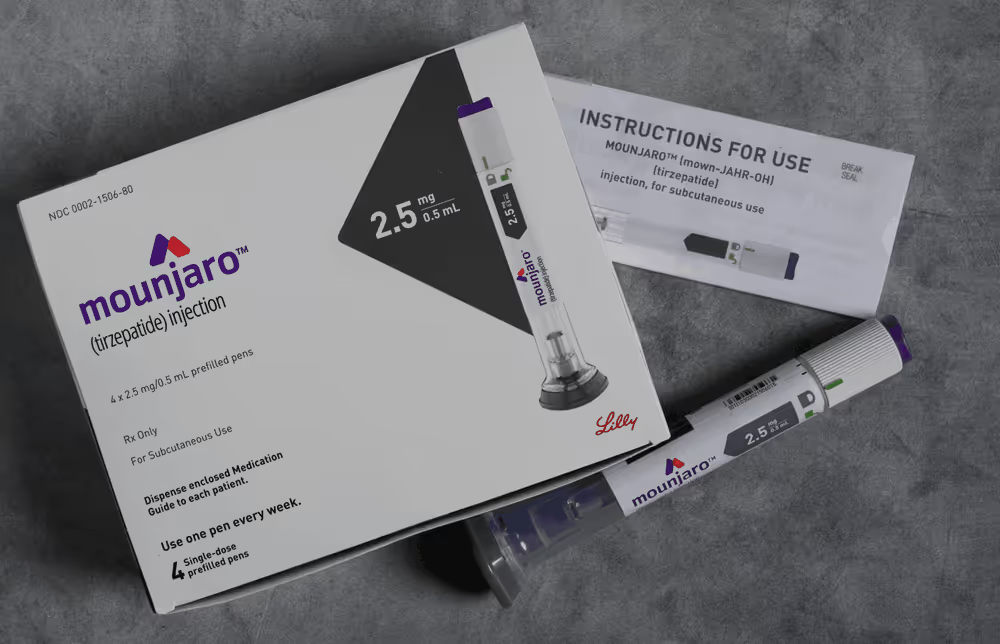
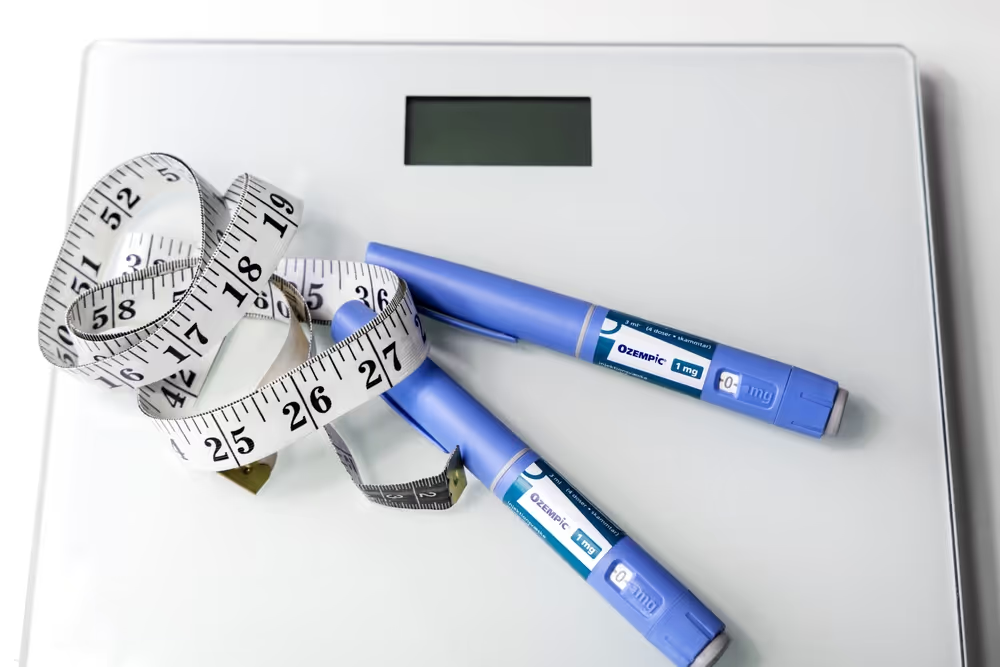
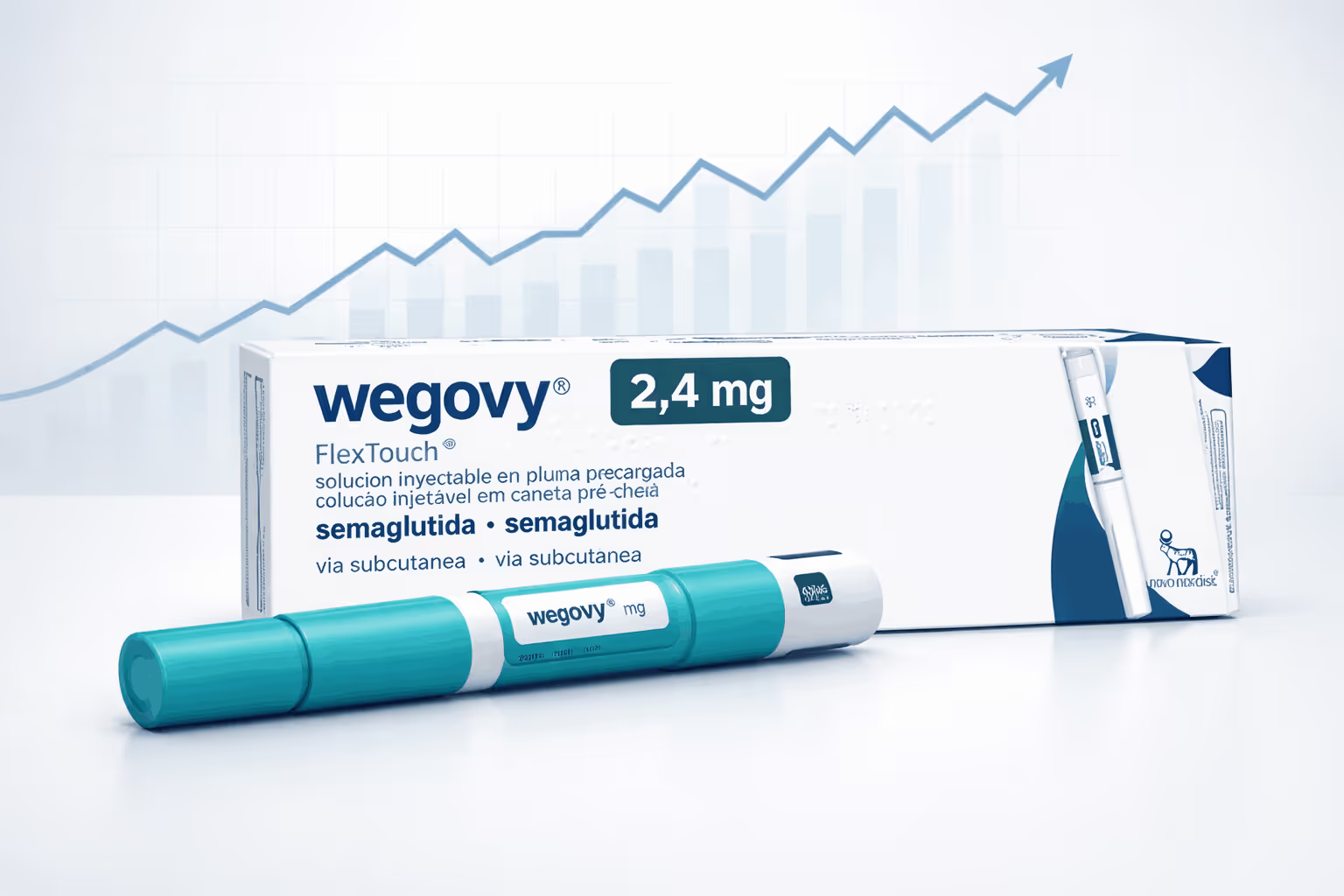
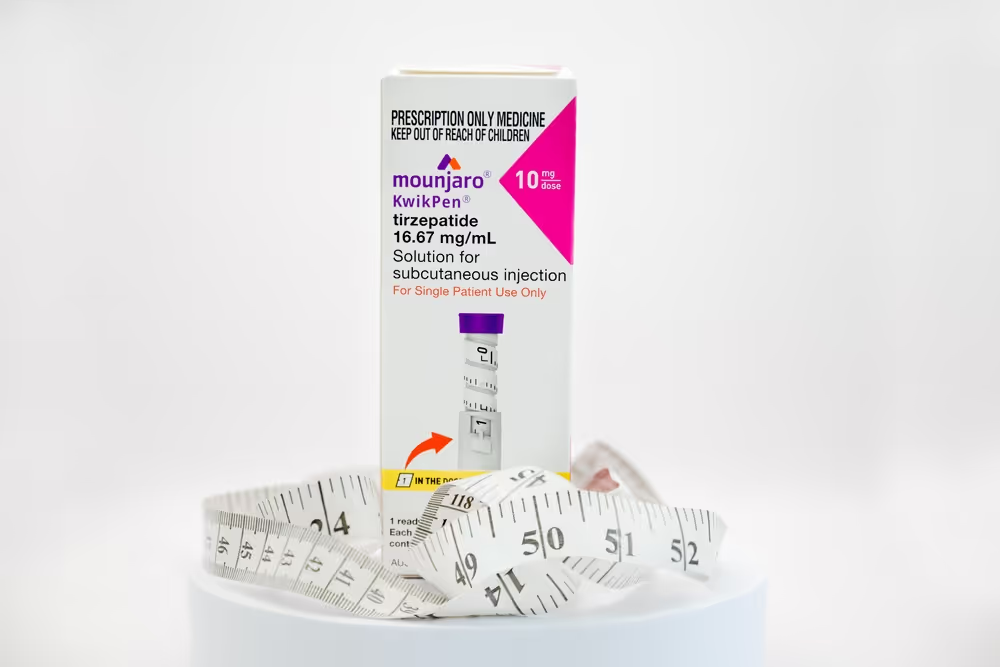
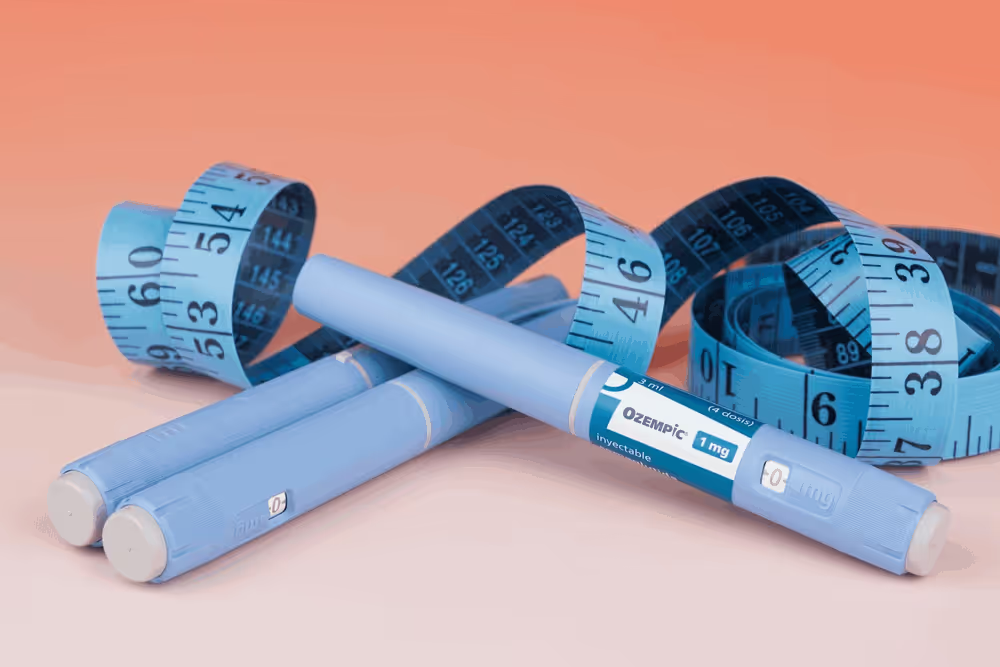
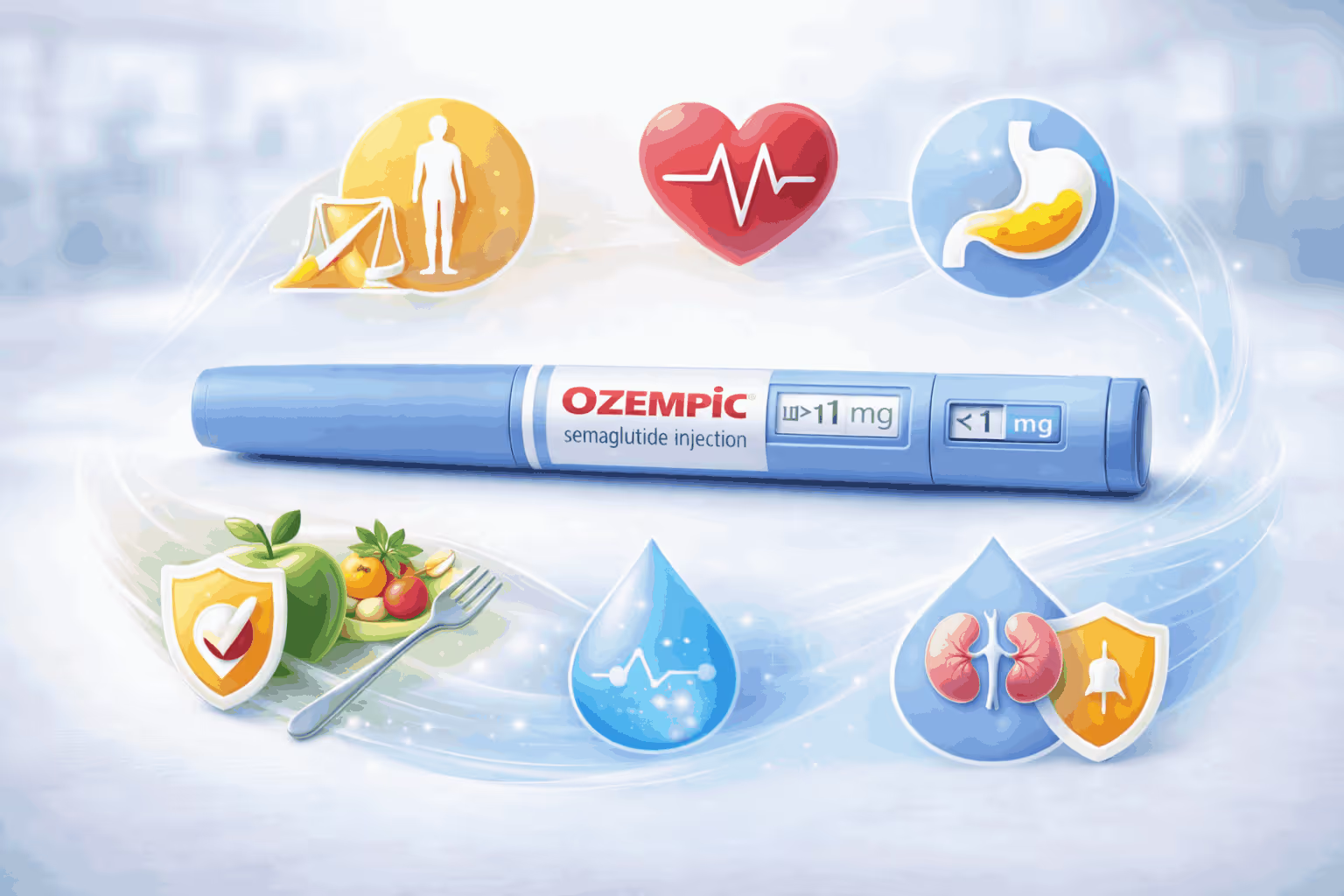
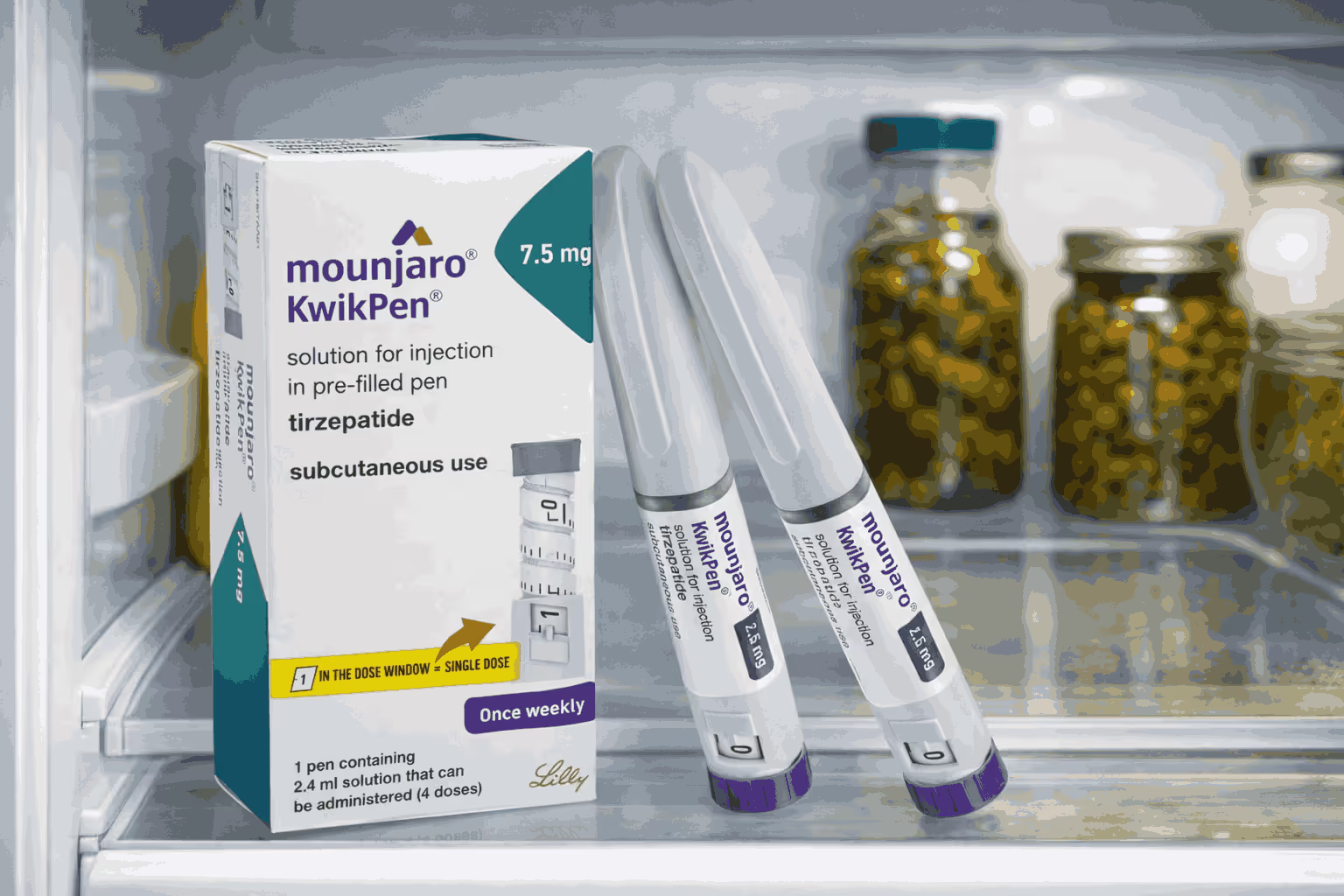
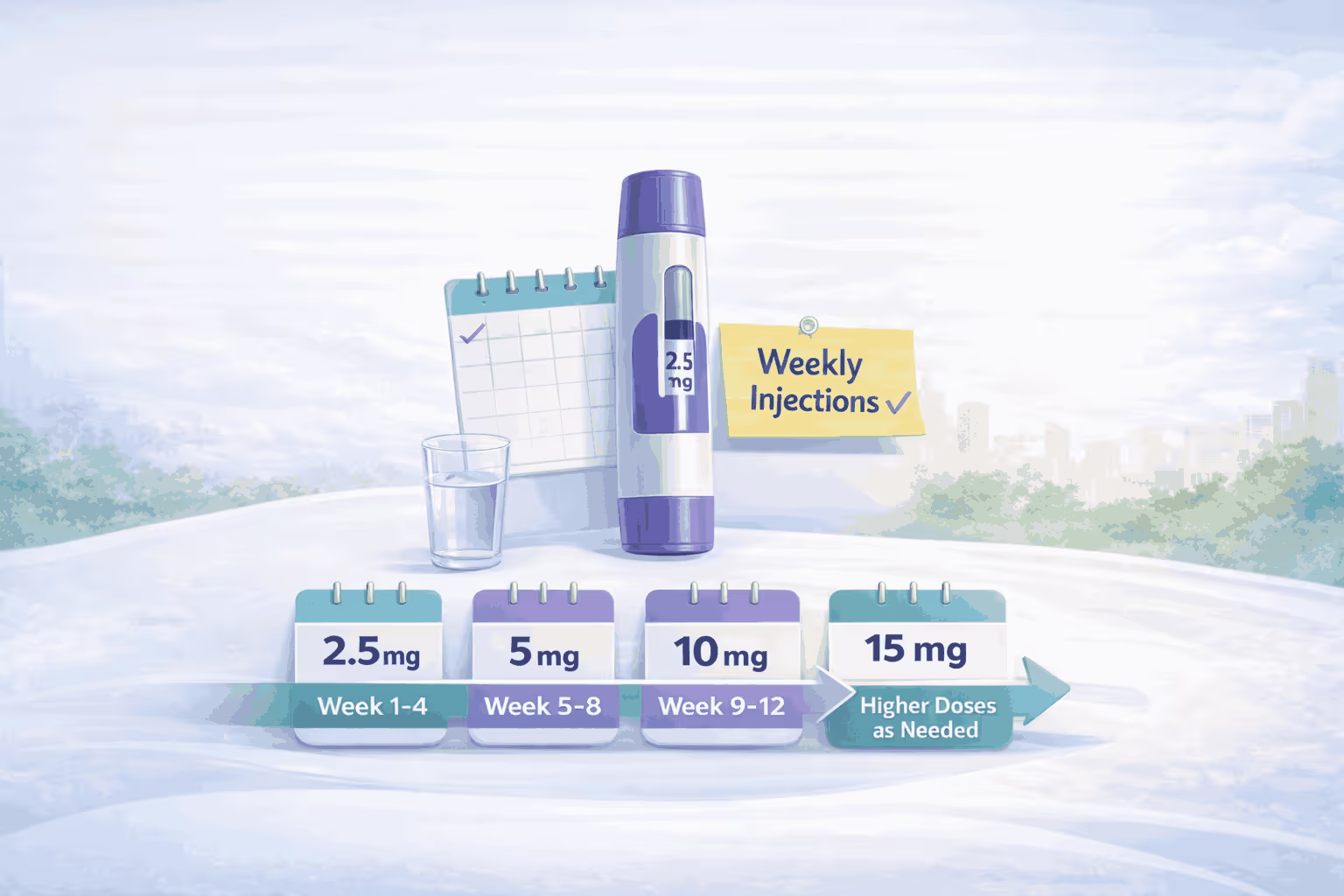
Some may need prescription help. Tablets like Orlistat and Mysimba or injectables like Wegovy and Mounjaro can support weight loss, but only as part of a wider plan.
Bariatric surgery
For severe obesity (BMI over 40 or over 35 with medical conditions), surgery may be an option. Gastric bypass or sleeve gastrectomy dramatically reduces stomach size and calorie absorption.
Seeking support
If you’re concerned about your weight, it’s important to get the help that you need. GPs and specialists can offer all sorts of different approaches to getting to a healthy weight.
- Prevention programmes for children and adults.
- Weight management services, including nutrition counselling and exercise planning.
- Public health campaigns promoting reduced high calorie food intake.
Support is essential because obesity management is rarely successful in isolation.
Key Takeaway
Obesity is a complex disease and it should be treated as such. While it involves behaviours like diet and exercise, it is shaped by genetics, hormones and environment. With early intervention, medical support and sustained lifestyle change, achieving a healthy weight is possible.
For more insights into weight loss, along with practical insights about available treatments, make sure to visit our website today.
Frequently Asked Questions
What can I expect if I have obesity?
Obesity often leads to fatigue, joint pain and difficulty with activity. Long term, it raises the risks of diabetes, heart disease and metabolic syndrome. Treating obesity can reverse many of these outcomes.
Is obesity reversible?
Yes. Through sustained weight loss achieved with a healthy diet, physical activity, behavioural support and sometimes medication or surgery, many people successfully reverse obesity.
How does obesity affect mental health?
Obesity often lowers confidence and increases the risk of depression. Stigma linked to obesity and overweight status can make seeking help harder. Addressing mental health is a vital part of obesity management.
Is BMI a reliable measure of obesity?
BMI is a useful starting point but limited. It cannot separate body fat from muscle. Measures like waist circumference and tests for excess fat provide a clearer picture.
When should I seek professional help?
If your BMI is over 30, if you have obesity-related medical conditions or if your eating habits are hard to control, it’s time to see your GP. Early intervention improves outcomes.
References
- Baker, C. (2023) Obesity statistics, Parliament.uk. Available at: https://researchbriefings.files.parliament.uk/documents/SN03336/SN03336.pdf
- Obesity (2024) Who.int. Available at: https://www.who.int/health-topics/obesity.
- Obesity: identification, assessment and management (2023) Org.uk. Available at: https://www.nice.org.uk/guidance/cg189/resources/obesity-identification-assessment-and-management-pdf-35109821097925
- Obesity Profile: short statistical commentary May 2023 (no date) Gov.uk. Available at: https://www.gov.uk/government/statistics/obesity-profile-update-may-2023/obesity-profile-short-statistical-commentary-may-2023
- Overweight and obesity in adults (no date) NHS England Digital. Available at: https://digital.nhs.uk/data-and-information/publications/statistical/health-survey-for-england/2021/overweight-and-obesity-in-adults
- Obesity (no date) British Heart Foundation. Available at: https://www.bhf.org.uk/informationsupport/risk-factors/obesity.









































.avif)