.avif)

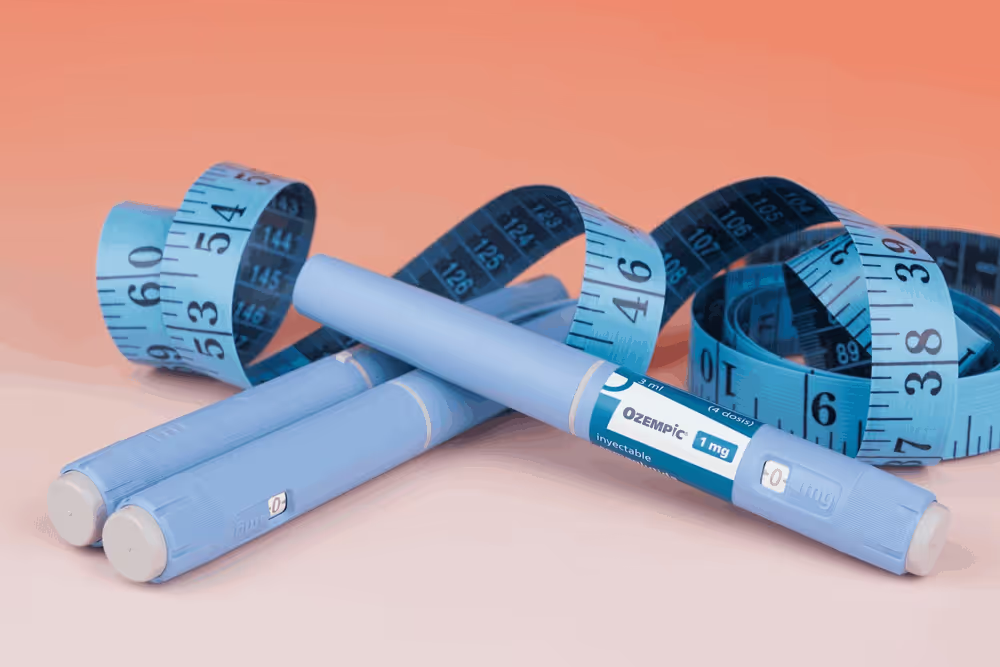
Quick Answer: When you stop taking Ozempic, your blood sugar and appetite can increase, leading to potential weight regain and metabolic changes — but with the right plan, these effects can be managed effectively.
Understanding Ozempic and its effects
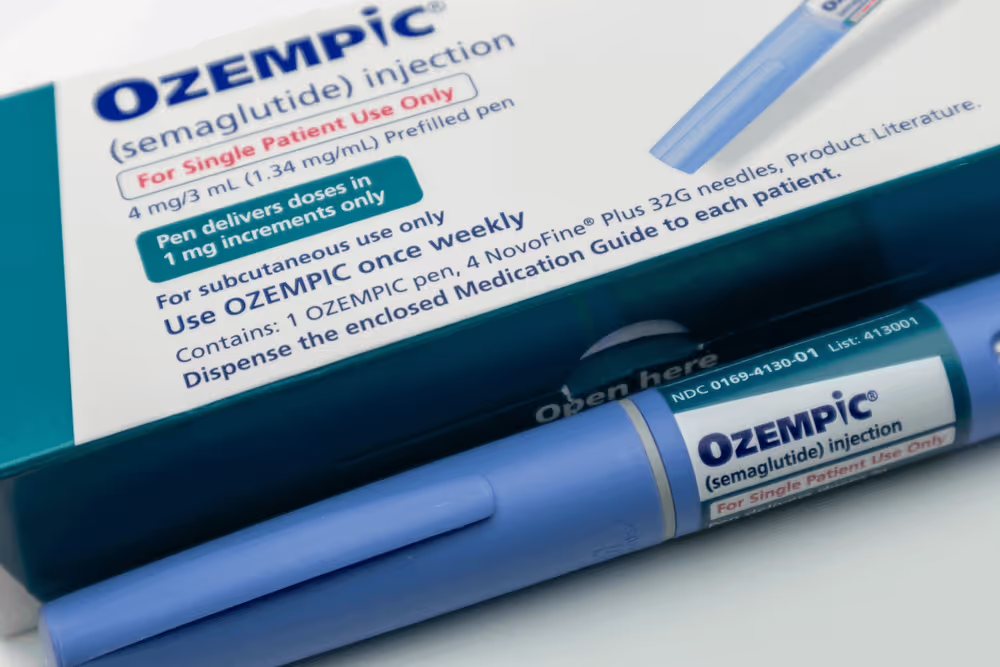
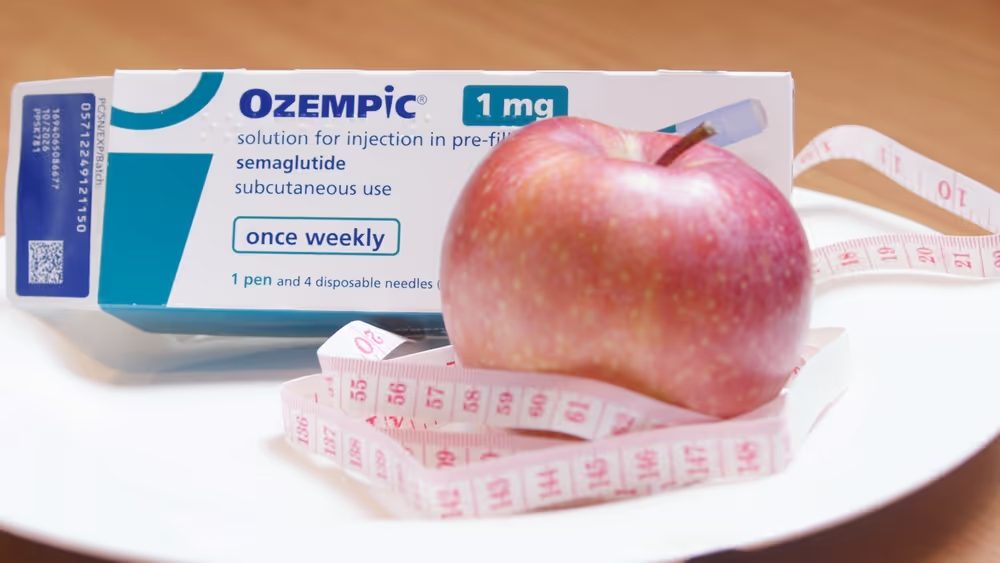
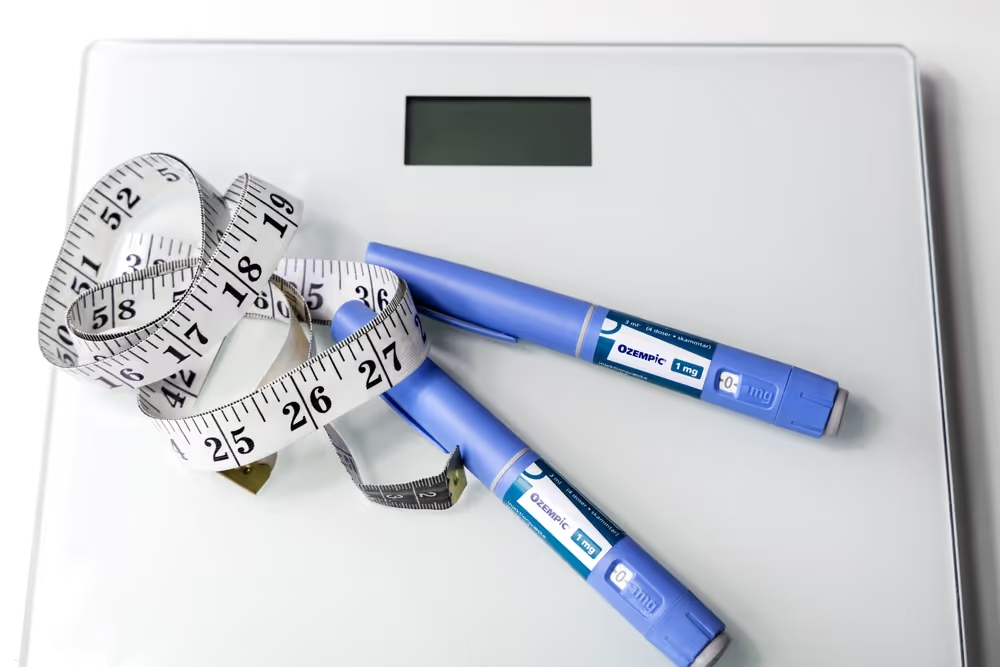
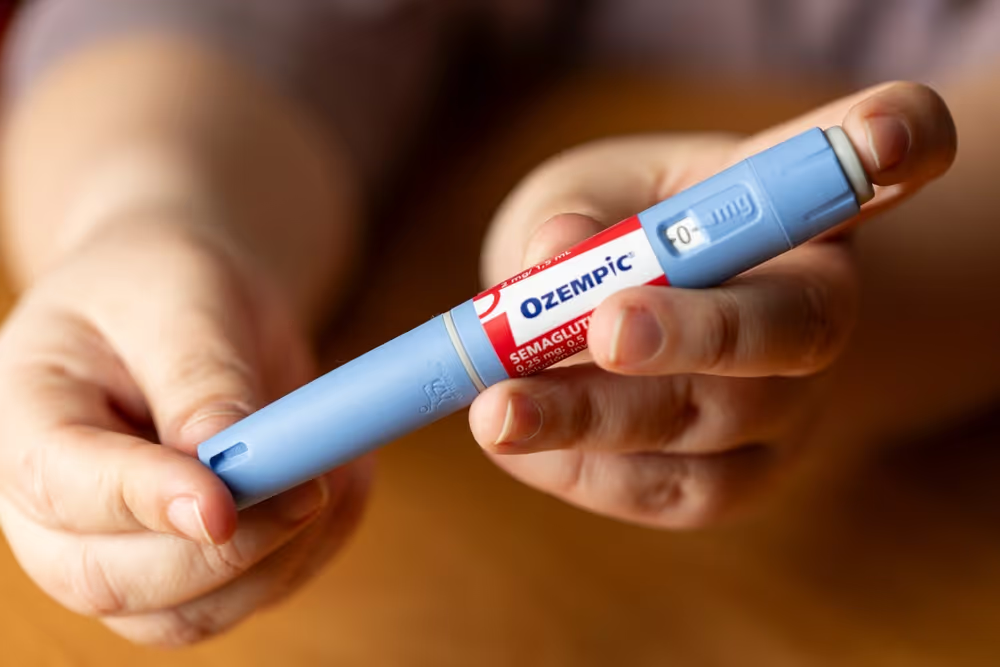
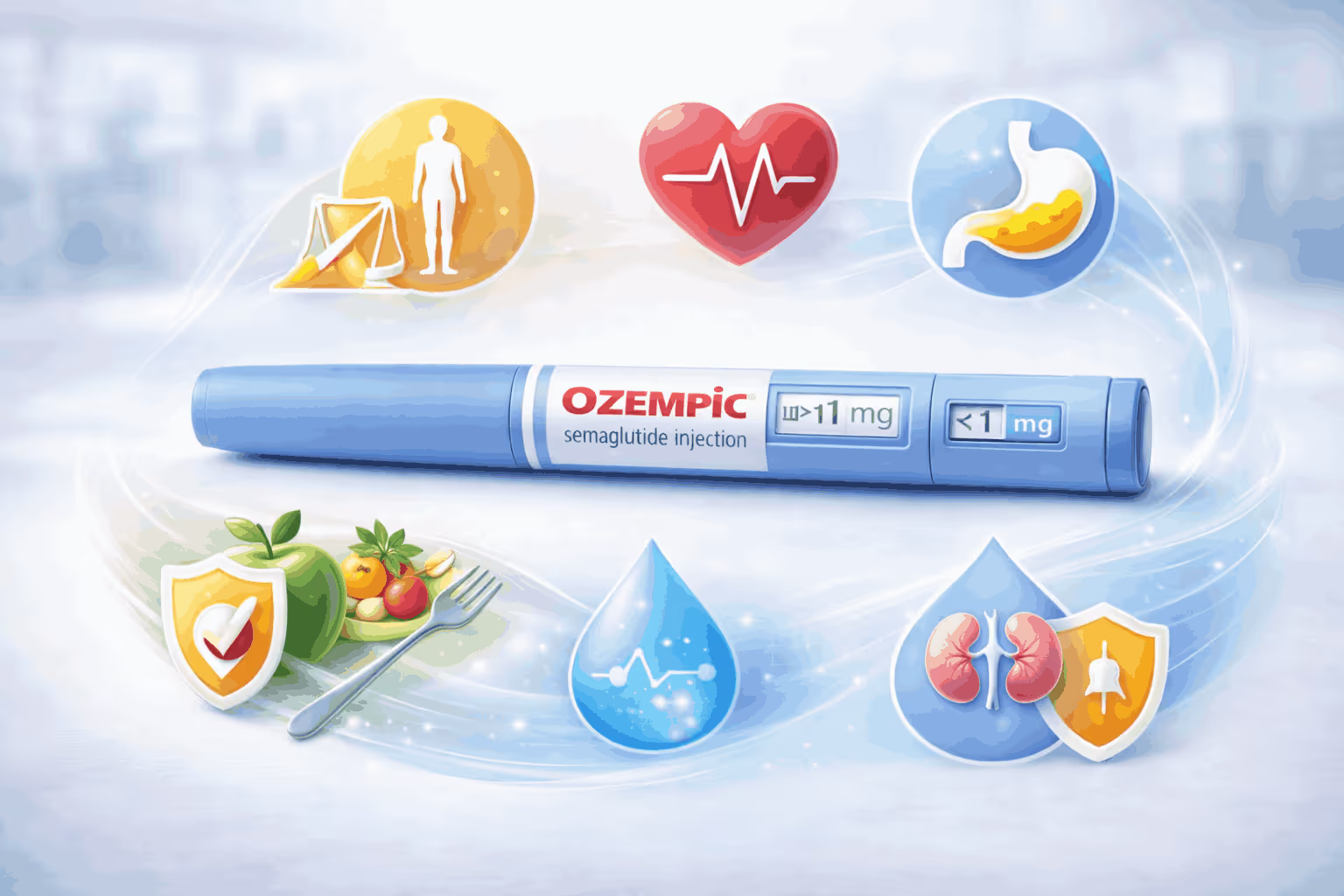
Ozempic, also known by its generic name semaglutide, has become one of the most talked-about medications in the world, known for its ability to treat diabetes and support significant weight loss. Originally developed to help people with type 2 diabetes regulate blood sugar levels, it mimics a natural hormone called GLP-1 (glucagon-like peptide-1). This hormone helps control blood sugar by stimulating insulin release, slowing down gastric emptying and reducing appetite.
For many people, Ozempic does far more than balance blood sugar – it helps reshape their relationship with food forever. Users often report feeling fuller faster and having fewer cravings, which makes it easier to maintain a calorie deficit and lose weight in the long term.
But like any treatment, Ozempic isn’t meant to be a ‘forever’ solution for everyone. Whether for medical reasons, cost or simply personal choice, stopping the medication can be a big decision that should be treated with care. Understanding what happens when you stop Ozempic, in both the short- and long-term, is key to protecting your progress and health.
Why people stop taking Ozempic
There are several reasons why a patient might choose to stop taking Ozempic. For some, it’s a planned and well-managed transition; for others, it may result from unexpected circumstances or unmanageable side effects.
Side effects
While Ozempic is generally well-tolerated, some people experience side effects that can become difficult to manage.
- Persistent nausea or vomiting
- Bloating and abdominal discomfort
- Fatigue
- Constipation or diarrhoea
Many patients will experience these sorts of symptoms in the earlier stages of treatment, but if they go on for too long or become too intense, they can become overwhelming. When these symptoms affect quality of life or daily function, it’s understandable that some may consider discontinuing the medication.
Cost or access issues
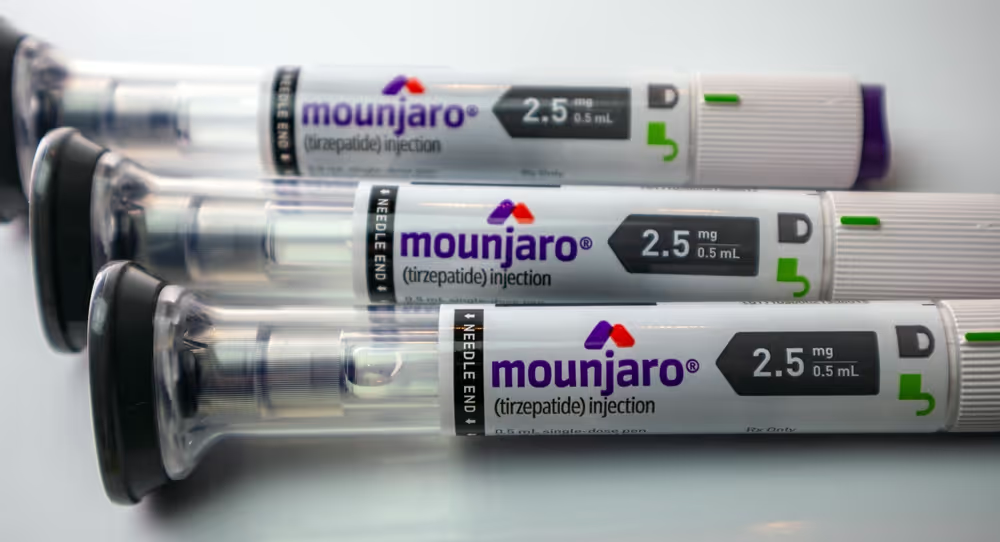
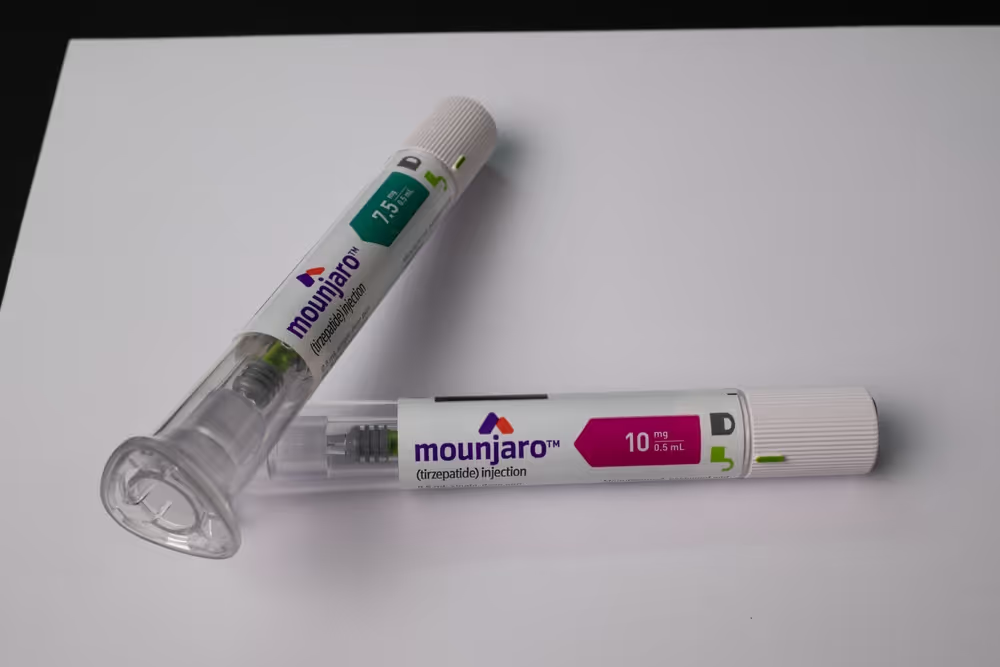
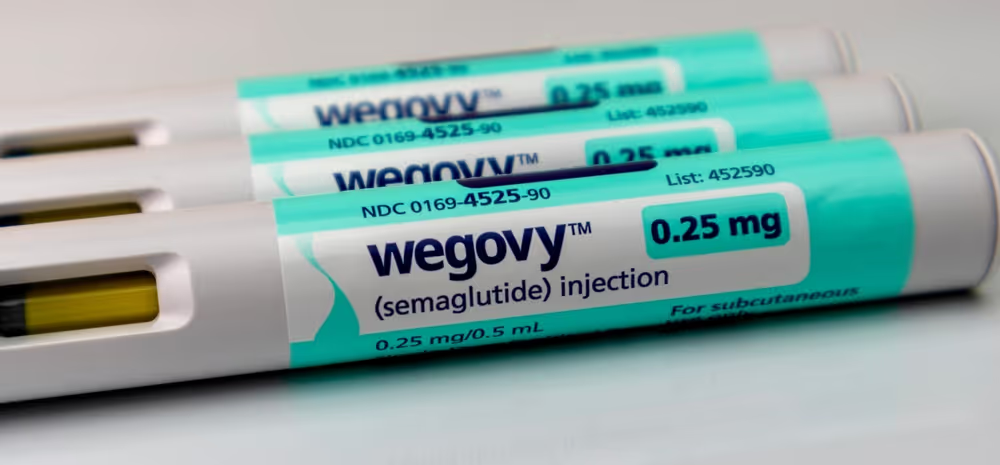
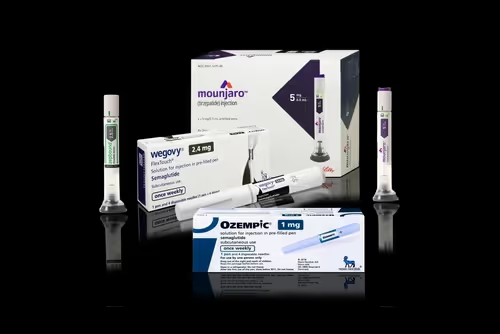
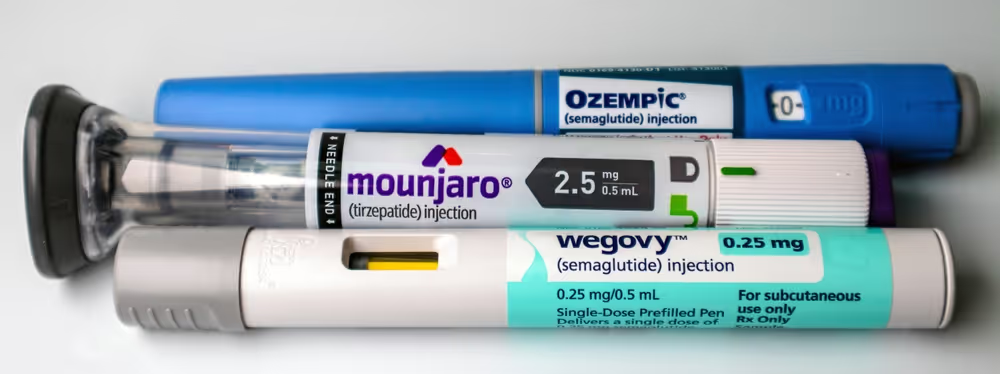
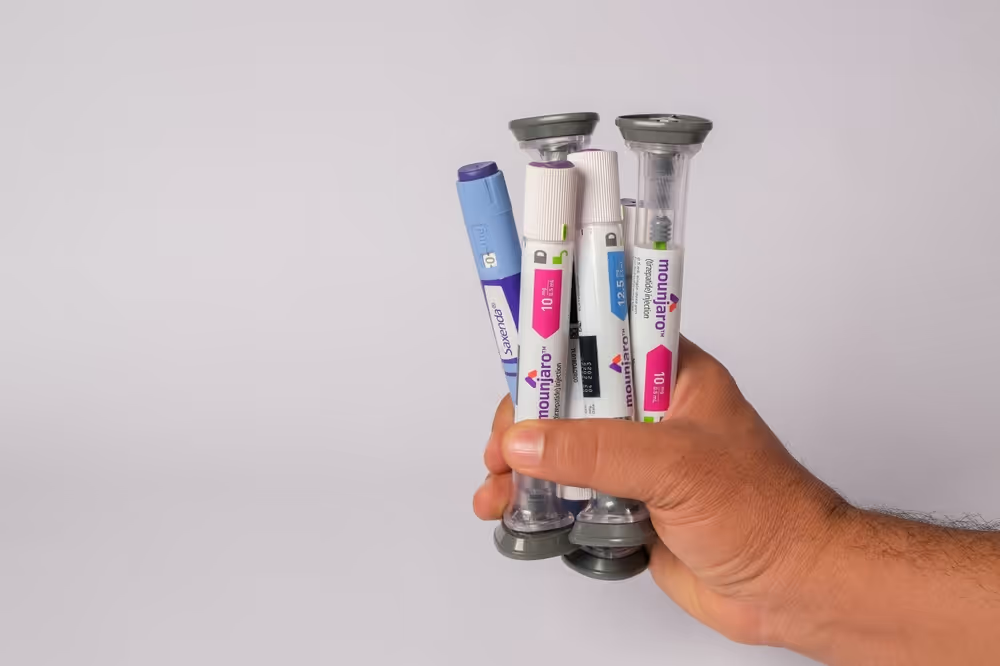
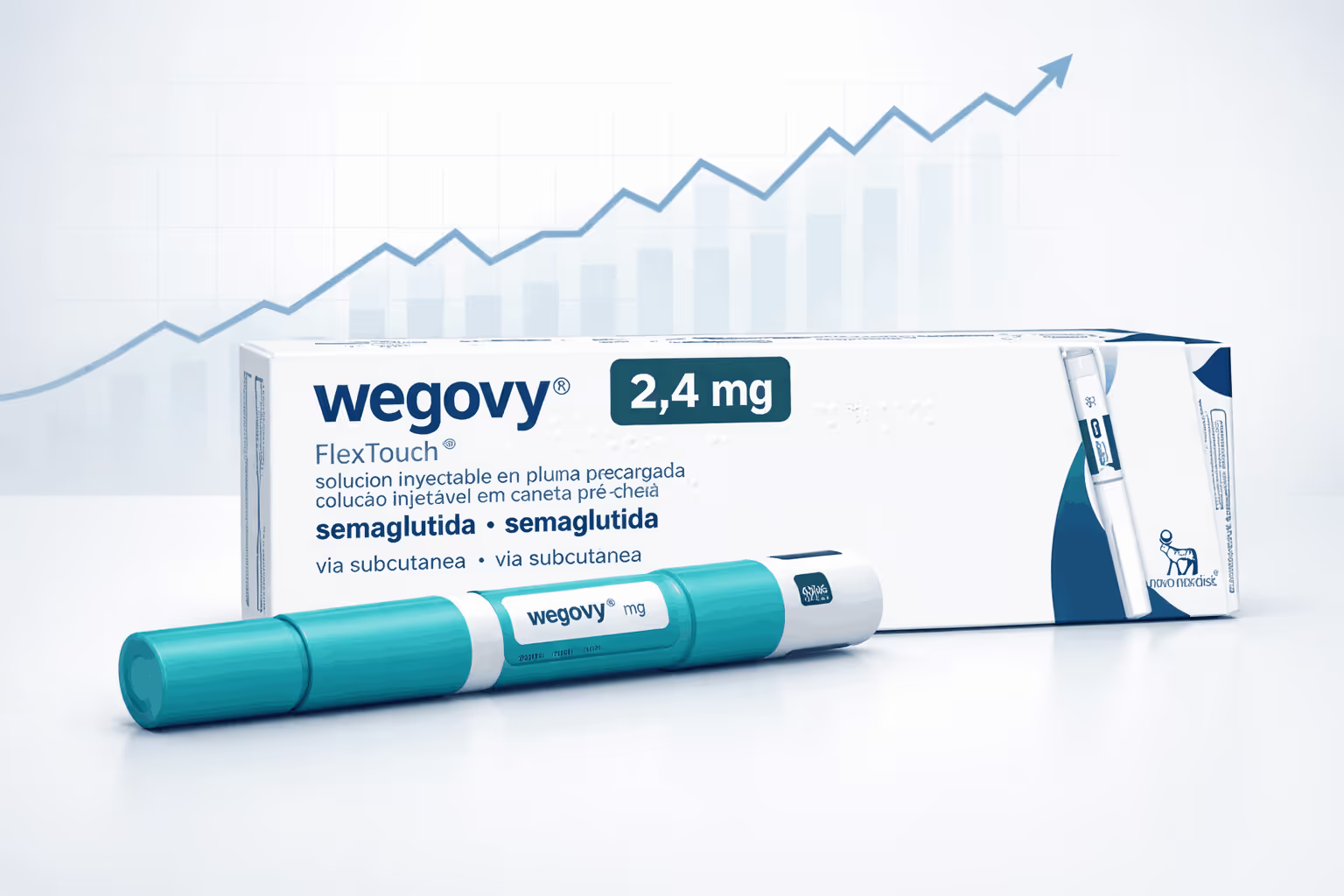
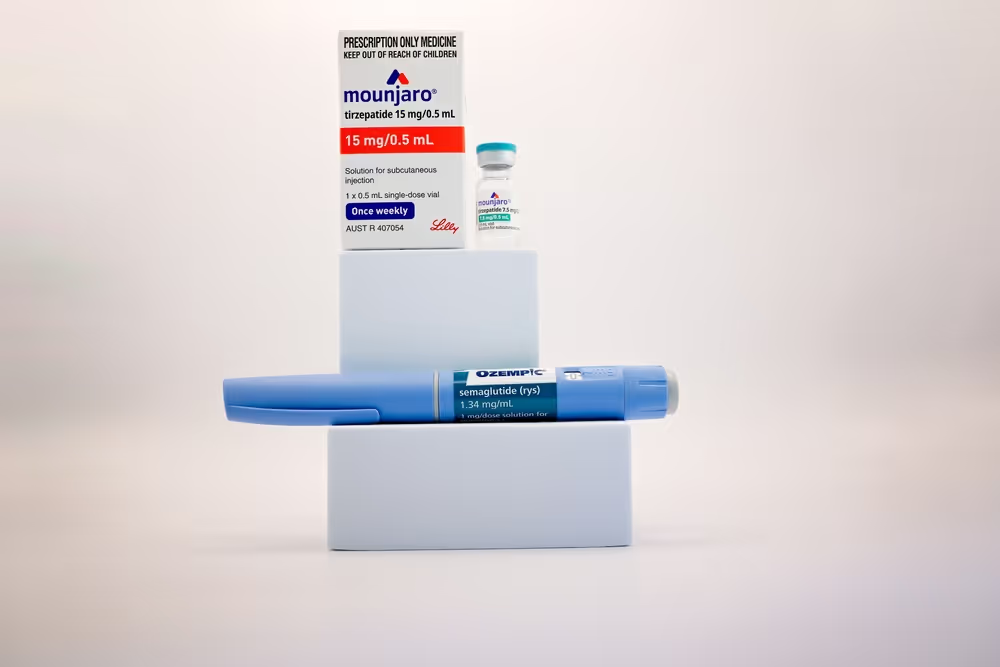
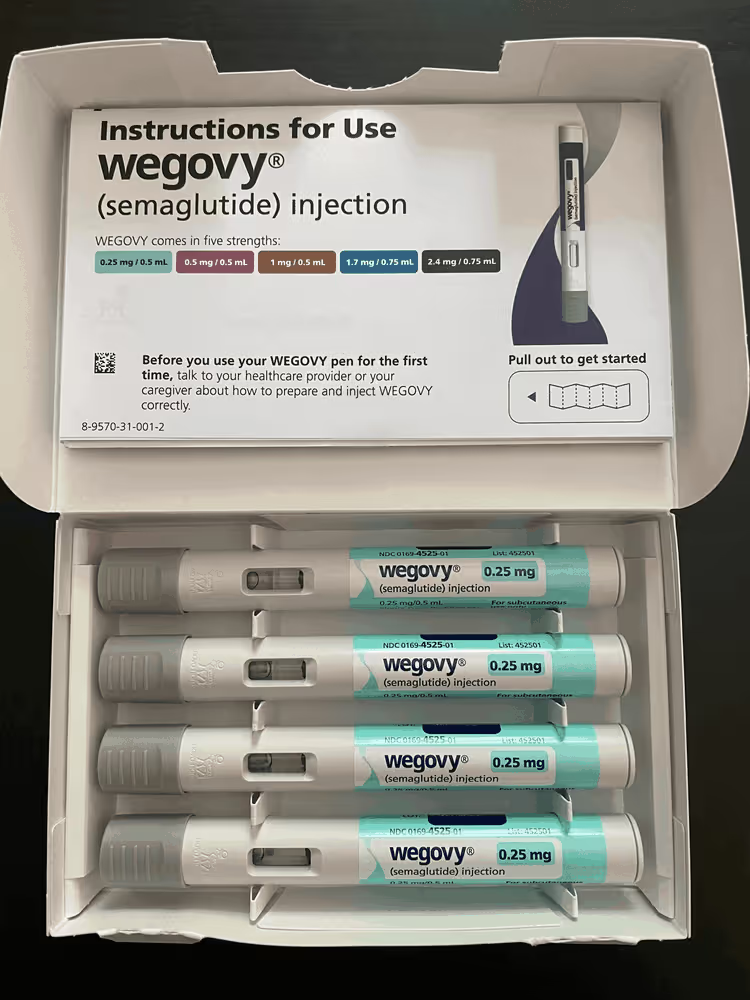
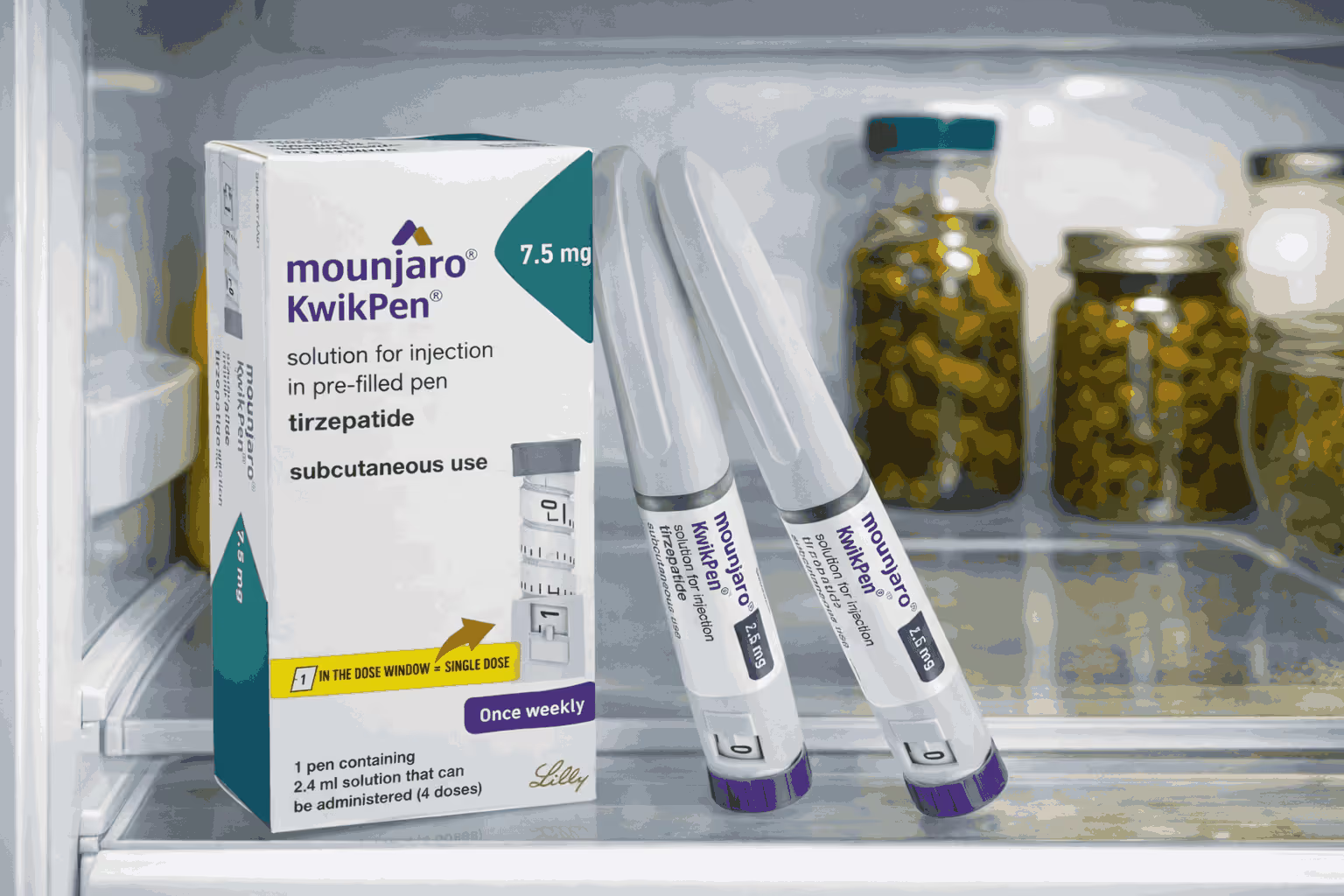
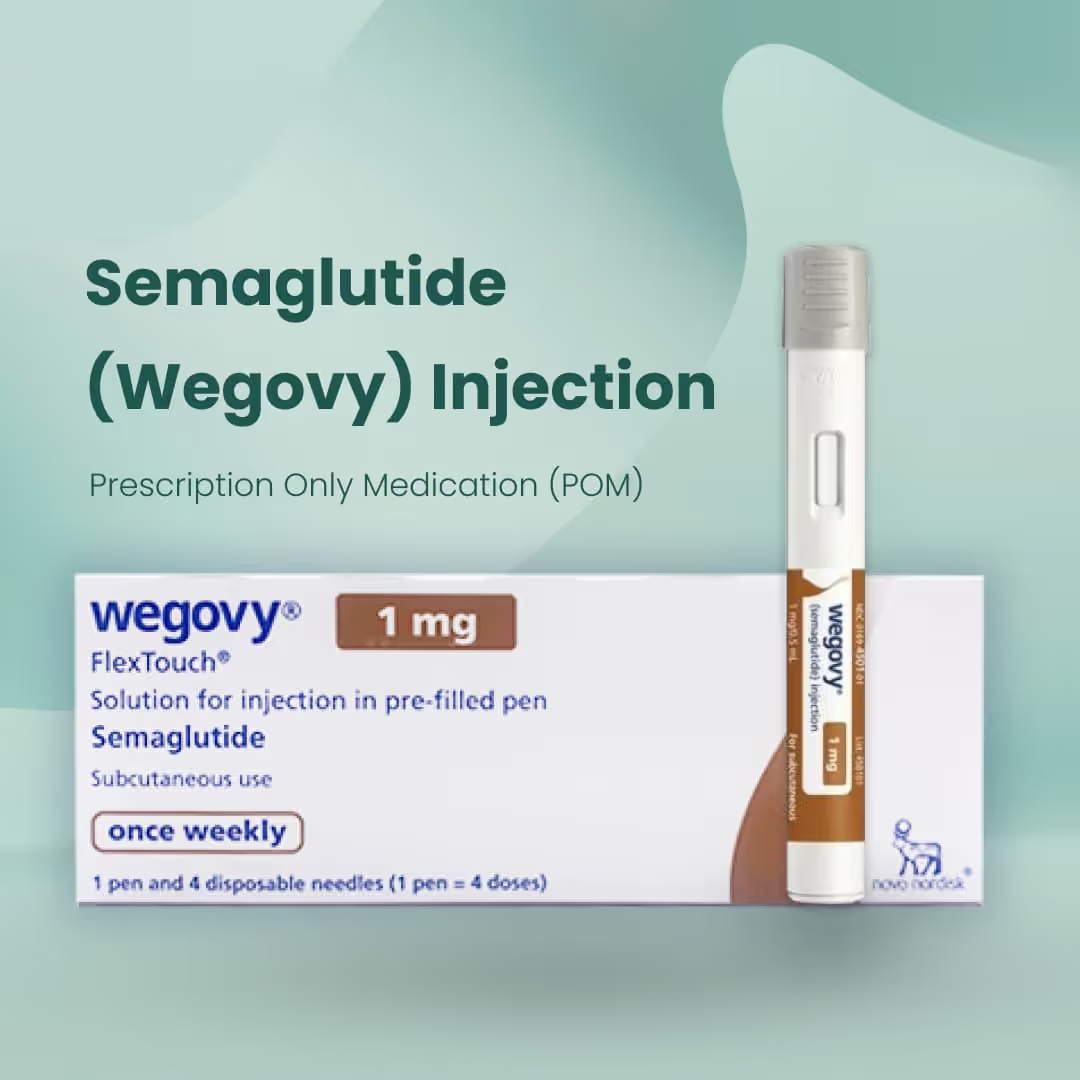
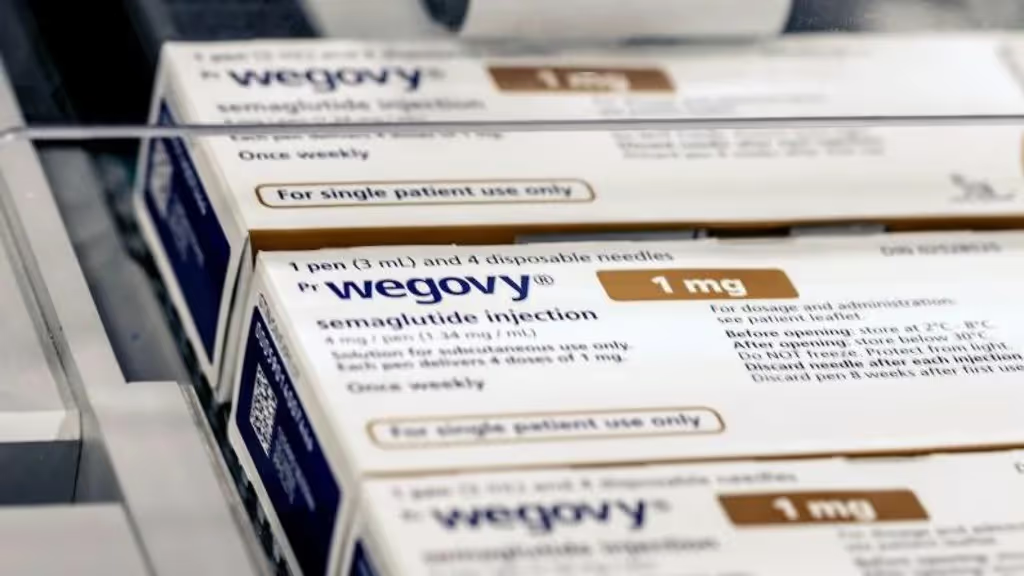
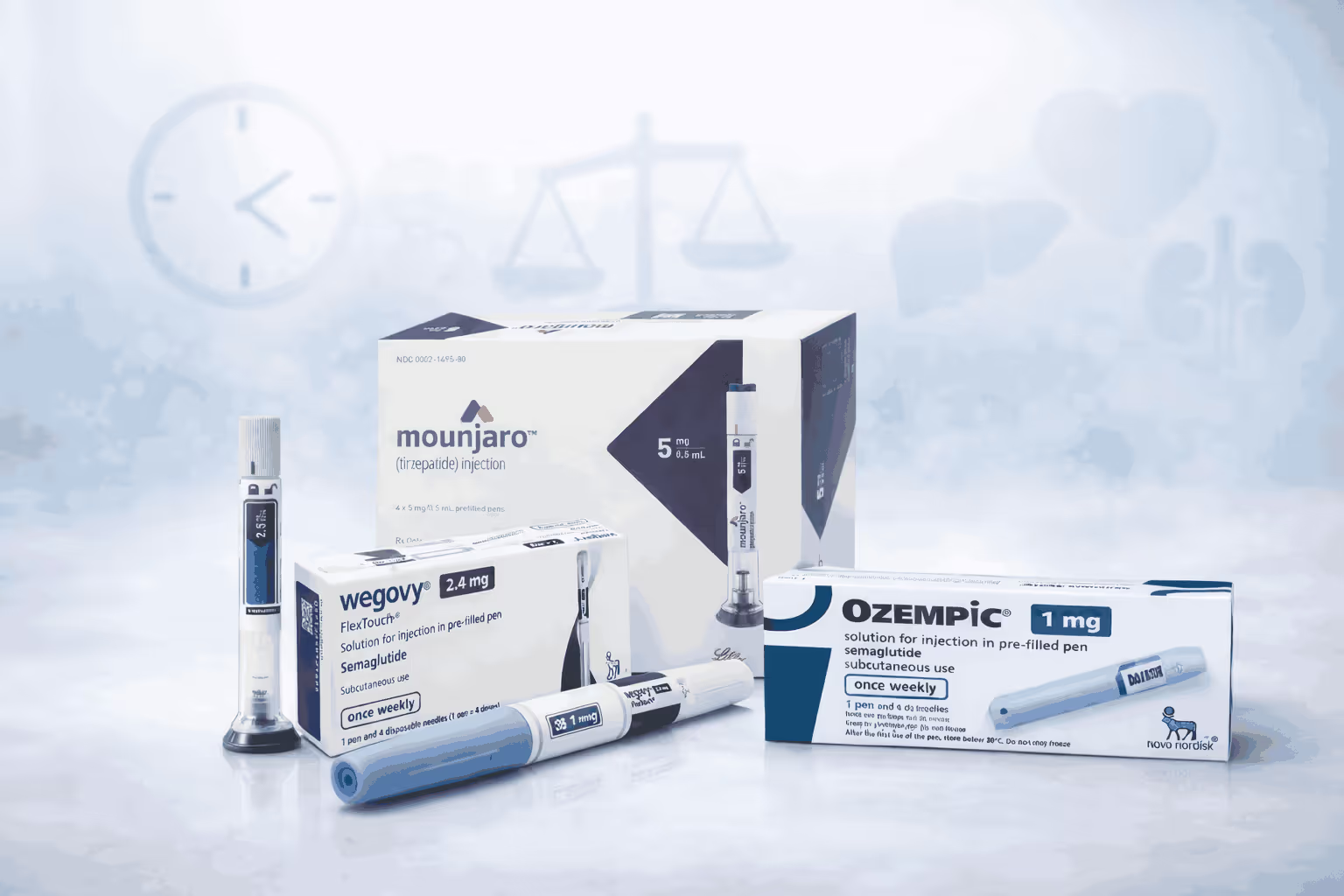
Not everyone has continuous access to Ozempic or similar drugs, like Wegovy or Mounjaro. With global demand soaring, supply shortages and cost barriers have become increasingly common. Some patients have to stop simply because they can’t get their prescription filled or can no longer afford it.
Note: It’s essential to see if you can get your prescription on the NHS if you’re struggling financially against the odds.
Achieved weight loss goals
For some users, Ozempic is a stepping stone to reaching their target weight and starting a more naturally healthy lifestyle. Once those goals are achieved, they may decide to stop, ideally transitioning to a maintenance plan that’s based around lifestyle and dietary changes to sustain their results.
Personal or lifestyle reasons
Life can change at the drop of a hat. A shift in routine, new health priorities, or simply a desire to take a more natural approach to weight maintenance can all play a role in the decision to stop. You have no responsibility to stay on Ozempic or any other weight loss medication if you don’t want to. Whatever the reason for your transition away from the drug, the process must be managed safely and with professional guidance. Also Read – Can you drink alcohol on ozempic
What happens immediately after you stop taking Ozempic?
Once Ozempic leaves your system, typically within a few weeks, your body begins to readjust to a baseline level. Because it acts on several hormones and processes at once, these changes can be noticeable, but they’re not necessarily anything to be concerned about.
Changes in blood sugar levels
Ozempic helps stabilise blood sugar, especially after eating. When you stop, your glucose levels may begin to rise again, particularly if you live with type 2 diabetes. You might notice feeling thirstier, more tired or needing to urinate more frequently. For non-diabetic users, this change may be less dramatic, but it’s still important to monitor your energy levels and cravings when stopping medication.
Appetite and hunger changes
Without Ozempic’s appetite-suppressing effects, more natural hunger cues tend to return. Many users describe suddenly feeling hungrier than they have in months, because they quite literally are. This doesn’t mean you’ve lost control of your diet; it’s simply your body’s natural hunger hormonescoming back online.
To visualise what this transition can look like, here’s a quick comparison table:
Gastrointestinal adjustments
Because Ozempic slows down the digestive process, stopping it means your gut will start moving food at a faster, more natural pace again. Some people experience temporary bloating, mild discomfort or changes in bowel habits as their digestion adjusts. Usually, these symptoms balance out within a few weeks.
Long-term effects after stopping Ozempic
Once the immediate effects settle, it’s the long-term adjustments that matter most. Without the influence of medication, it’s essential to make the effort to change your lifestyle. What happens in the months after stopping Ozempic largely depends on how you manage your habits, nutrition and approach to exercise.
Potential weight regain
Weight regain is one of the most common concerns for people moving away from medication. Studies show that people who stop GLP-1 medications like Ozempic or Wegovy tend to recover a portion or sometimes all of the weight they lost. This happens because appetite returns and calorie intake naturally increases.
However, it’s important to note that regain isn’t inevitable, and many patients find that their food and exercise routines are easier to maintain. Those who plan, adjust their diet, and maintain consistent activity are much more likely to hold their progress and sidestep undue weight gain.
Impact on diabetes management
If you were prescribed Ozempic for type 2 diabetes, your healthcare provider may need to adjust your treatment plan alongside the move away from GLP-1 receptor agonists. Blood sugar control may become more challenging, and you may need a different medication or a different dosage to maintain stable levels.
Monitoring is crucial during this time. Regular check-ins with your GP or endocrinologist can help prevent long-term complications from blood sugar fluctuations.
Metabolic changes
Ozempic affects metabolism by helping your body use energy more efficiently. When you stop, your metabolism may slow slightly, particularly if calorie intake increases but physical activity doesn’t keep pace. This shift can make weight maintenance harder, so focusing on movement and muscle-building activities can be beneficial.
How to safely stop taking Ozempic
Coming off Ozempic safely is about balance, strategy and gradual lifestyle adjustments, not abrupt changes.
Gradual reduction vs. abrupt stop
Some healthcare providers recommend tapering your dose down rather than stopping suddenly. Gradually reducing the dose allows your body to adjust to the change more smoothly, minimising appetite surges or digestive disruption.
If you need to stop immediately due to disruptive side effects, your doctor will guide you on managing the short-term changes and support your body during the transition.
Lifestyle adjustments
When you stop taking Ozempic, it’s vital to reinforce the habits that supported your progress. Remember, the drug alone isn’t going to be what resulted in the weight loss impacts, so it’s not going to be the be-all and end-all when you stop taking it.
- Protein-rich meals to stabilise blood sugar and maintain muscle.
- Consistent mealtimes to prevent energy crashes.
- Hydration to help manage hunger and metabolism.
- Regular exercise, particularly strength training, to keep your metabolism active.
These changes should have come around whilst you were taking the medication, so maintaining them will be key to keeping your weight and energy stable after you stop treatment.
Alternative medications
If you’re stopping Ozempic but still want a treatment-based approach to blood sugar or appetite control, your doctor might recommend alternatives.
- Rybelsus (oral semaglutide). A tablet version of Ozempic.
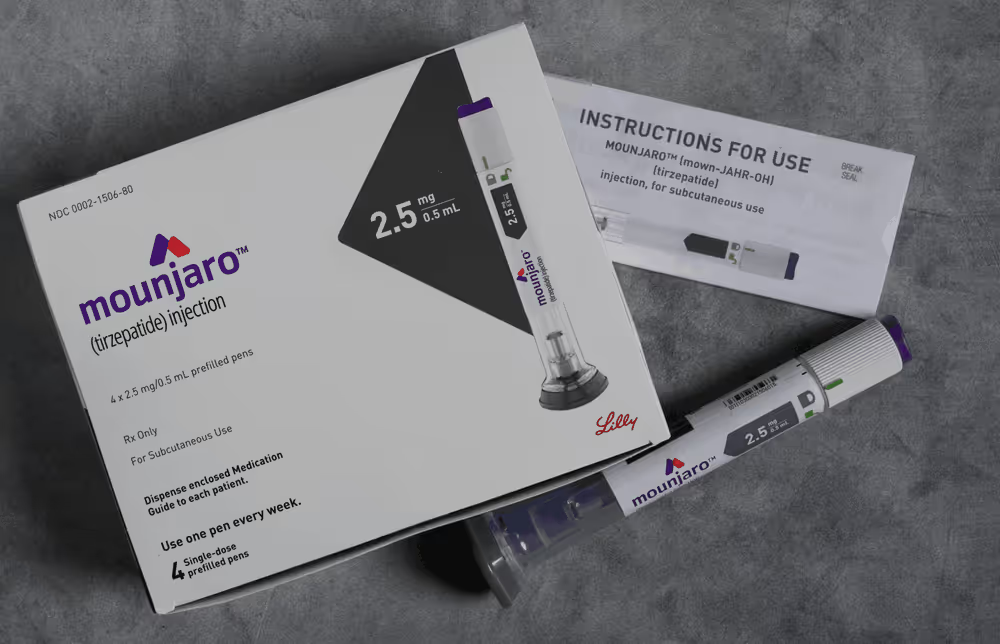
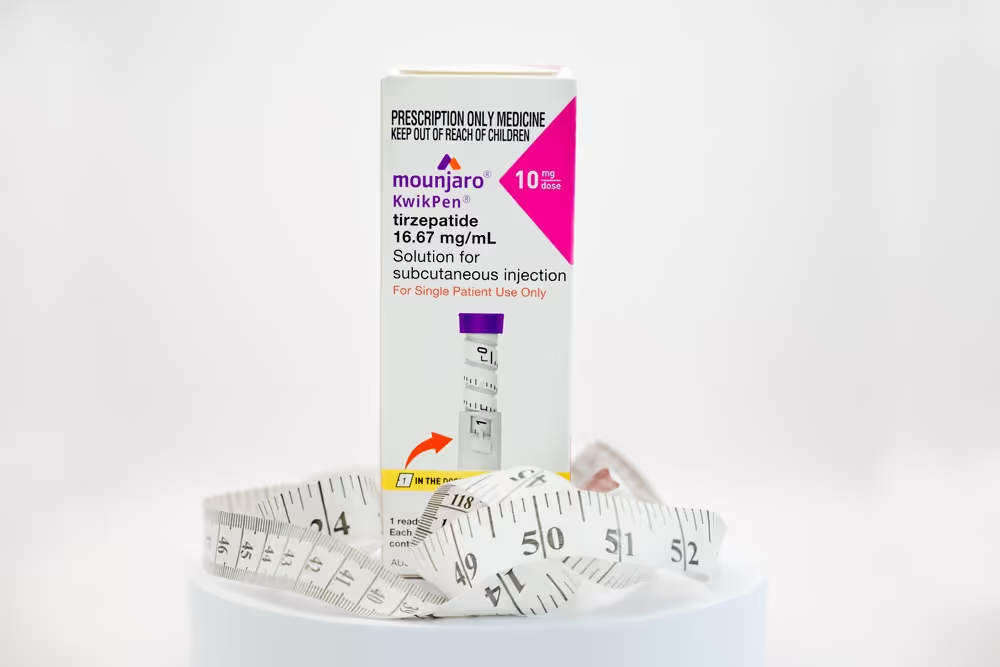
- Mounjaro (tirzepatide). Another GLP-1 medication that may offer similar benefits.
- Metformin. Often used to stabilise blood sugar in people with type 2 diabetes.
Your healthcare provider will guide you to choose the best alternative based on your health history and goals.
Long-term considerations after stopping
Once the initial phase of stopping Ozempic has passed, your focus should shift toward maintaining results and protecting your health for the long haul.
Maintaining weight loss
Maintaining weight loss without Ozempic requires mindfulness, consistency and a flexible attitude. Focus on balanced nutrition, high in lean protein, fibre and healthy fats while keeping an eye on portion sizes. Many find that tracking meals or practising intuitive eating helps them stay accountable without feeling restricted.
Always keep up the movement that feels enjoyable. Exercise doesn’t have to be an ordeal of intense gym sessions: brisk walking, swimming, yoga or even gardening count. The goal is consistency, not perfection.
Monitoring blood sugar
If you were taking Ozempic for diabetes, you’ll need to monitor your blood sugar more closely after stopping. Track patterns, especially after meals, and note any symptoms, such as fatigue or excessive thirst. This data can help your healthcare team adjust your plan effectively.
For non-diabetic users, keep paying attention to how certain foods make you feel. Large spikes and crashes in energy could be a sign of changing insulin sensitivity.
Mental health and motivation
Matters of weight and body image are sensitive enough, so it’s no surprise that coming off Ozempic can feel emotional. Some people describe feeling anxious about potential weight regain or losing control of their progress – all valid feelings.
Finding support, whether through a nutritionist, therapist or online community, can help you rebuild confidence and motivation. Remember, Ozempic was a tool, not the sole reason for your success. The habits, discipline and awareness you developed while on it still belong to you.
Continuing your health journey with The Virtual Slimming Clinic
Stopping Ozempic isn’t the end of your health journey – it’s a new chapter. Yes, your body will adjust, and yes, it might take effort to maintain progress, but consistency is entirely achievable with the right mindset and support.
If you’re interested in learning more about weight loss, either with or without medication, make sure to visit The Virtual Slimming Clinic. We’re licensed to dispense certain drugs, along with offering plenty of free resources and guides to aid you on your journey.
With a supportive healthcare team and a solid lifestyle foundation, you can continue to feel healthy, confident and in control even without Ozempic.
Frequently Asked Questions
Can my weight go back to pre-Ozempic levels?
It’s possible, but not inevitable. Weight regain typically happens when appetite returns and eating habits revert to pre-treatment patterns. By maintaining a balanced diet and regular physical activity, many people can sustain most of their weight loss long term.
How quickly will my blood sugar change after stopping Ozempic?
Changes can happen within days to weeks, depending on your dosage and how long you’ve been taking it. Regular monitoring is important, especially for those managing diabetes, to avoid unwanted spikes.
Is it safe to stop Ozempic abruptly?
Stopping suddenly isn’t usually dangerous, but it can cause more substantial appetite increases and temporary digestive changes. It’s worth considering a tapering plan with your doctor before stopping.
Are there any withdrawal symptoms from Ozempic?
Ozempic doesn’t cause traditional withdrawal symptoms, but some people experience fatigue, hunger or mild mood changes as the body adjusts to normal GLP-1 hormone levels again.
Can I restart Ozempic if my weight increases again?
Yes. Many return to Ozempic if their weight or blood sugar rises after stopping. However, you’ll need to consult your doctor first to ensure it’s appropriate for your current health status and goals.





















.avif)