
What Happens When You Stop Taking Mounjaro | Risks and Safety Tips

Mounjaro
Mounjaro
Mounjaro Side Effects
Mounjaro Tips
Mounjaro Weight Loss
Written by
Adam England
January 20, 2026
Medically Reviewed by
Mobeen Alam
January 20, 2026
March 6, 2026
5 min read

Quick answer: What happens when you stop taking Mounjaro depends on your body, dosage, and lifestyle, but many people experience a gradual return of appetite, possible weight regain, and metabolic changes unless stopping is managed carefully and supported with diet, monitoring, and medical guidance.

How Mounjaro Works in the Body

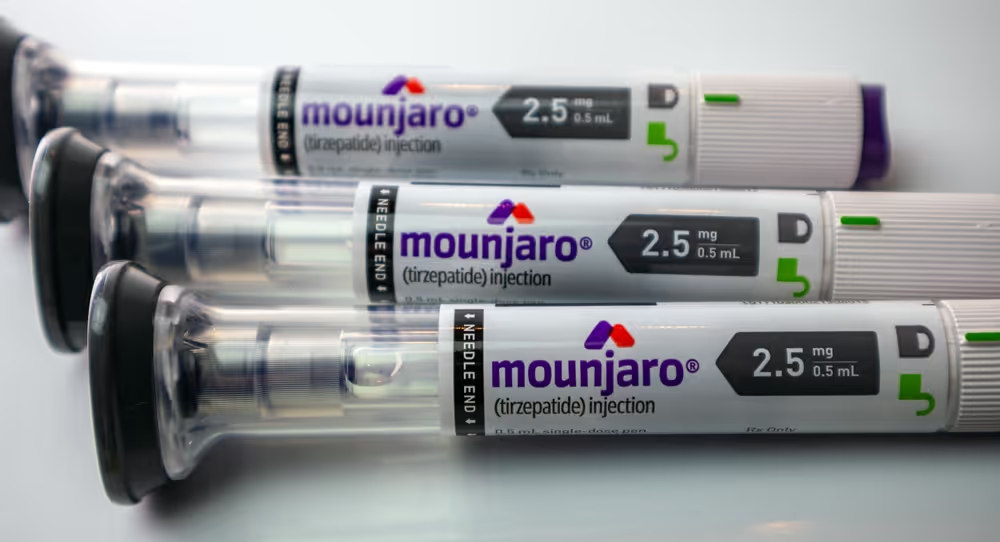
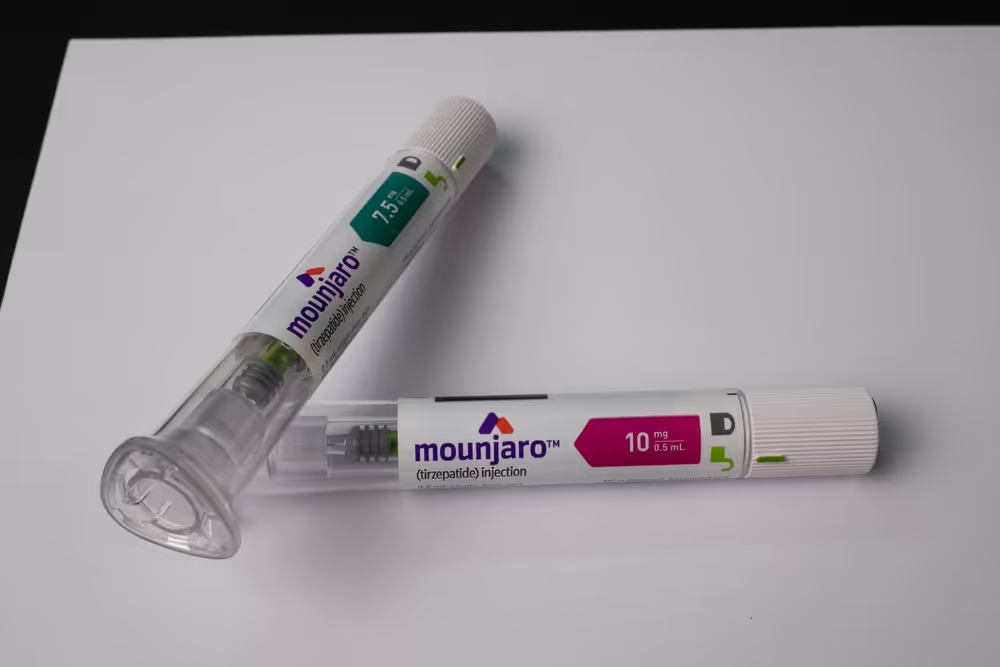
To understand what happens when you stop taking Mounjaro, it helps to first understand how it works while you’re still using it. Mounjaro (tirzepatide) is a dual-action medication that mimics two naturally occurring hormones in the body: GLP-1 (glucagon-like peptide-1) and GIP (glucose-dependent insulinotropic polypeptide). These hormones play a key role in regulating appetite, digestion, insulin release and blood sugar control.

When you take Mounjaro, it slows gastric emptying, meaning food leaves your stomach more slowly. This creates a prolonged feeling of fullness after meals, reducing appetite significantly. At the same time, Mounjaro acts on appetite centres in the brain, reducing hunger signals and dampening cravings, particularly for highly palatable, calorie-dense foods.

On a metabolic level, Mounjaro improves insulin sensitivity and supports stable blood sugar levels. For people with type 2 diabetes, this helps reduce glucose spikes and improve HbA1c. For those using it primarily for weight management, this improved glucose control often translates into steadier energy levels and fewer crashes.

Crucially, while Mounjaro is highly effective, its benefits are active rather than permanent. The medication supports these processes while it is in your system. Once it is reduced or stopped, the hormonal support it provides gradually fades, allowing your body’s baseline appetite signals and metabolic patterns to reassert themselves.

Why people stop taking Mounjaro

People stop taking Mounjaro for many reasons, and not all of them are negative. For some, stopping is part of a planned transition after reaching a health or weight milestone. For others, practical or medical considerations come into play.

Cost and access are among the most common reasons. Mounjaro can be expensive and go through price changes, and not all patients have long-term insurance coverage. Even those who respond well to medication may need to stop if prescriptions are no longer affordable or available.

Side effects also influence discontinuation. While many people tolerate Mounjaro well, others experience persistent nausea, digestive discomfort, fatigue or appetite suppression that feels too extreme over time.

Some people stop because their goals change. A patient who initially started Mounjaro for weight loss may later feel confident transitioning to lifestyle-only maintenance. Others may pause due to pregnancy planning, medical procedures or other changes in health conditions.

Importantly, stopping Mounjaro should ideally be a considered decision, not a rushed one. Understanding the potential effects of stopping helps people prepare for what comes next.

Possible side effects after stopping Mounjaro

Stopping Mounjaro does not usually cause dangerous withdrawal symptoms, but it can lead to noticeable changes as your body adjusts. These changes are often gradual rather than sudden, but they can feel significant if you’re unprepared.

Appetite may rise

One of the earliest and most noticeable changes after stopping Mounjaro is increased appetite. As the medication leaves your system, the appetite-suppressing signals it provided begin to fade. Hunger cues that were muted or absent may return, perhaps more strongly than expected.

This doesn’t mean your body is “overreacting”; rather, it is recalibrating. Many people report feeling physically hungry more often, particularly between meals or in the evenings. This can feel unsettling after months of reduced appetite, but it is a normal response.

Cravings return

Alongside increased hunger, unhealthy cravings often return. Foods that once held little appeal while on Mounjaro, such as sugary snacks or high-fat comfort foods, may become tempting again. This is partly hormonal and partly psychological, as the brain’s reward pathways regain sensitivity.

Cravings don’t mean failure or lack of willpower. They reflect the removal of a medication that was actively dampening those signals. Learning to manage them through balanced meals and mindful eating becomes especially important at this stage.

Blood sugar changes

For people with diabetes or insulin resistance, discontinuing Mounjaro may cause fluctuations in blood sugar levels. Without the medication’s glucose-regulating support, fasting and post-meal readings may rise slightly, particularly if dietary habits slip.

Even people without diabetes may notice energy dips or shakiness if blood sugar becomes less stable. Regular monitoring helps identify changes early and prevents more serious imbalances.

Weight regain risk

Weight regain is one of the most talked-about concerns when stopping Mounjaro. While not inevitable, it is a possibility. As appetite increases and metabolism returns to baseline, consuming more calories becomes easier, and the body may gradually regain weight.

Weight regain tends to be gradual rather than immediate. The pace varies widely depending on lifestyle, activity levels, and treatment duration. With supportive habits in place, many people can minimise or slow this process.

Digestive changes

Digestive symptoms can also shift after stopping Mounjaro. Some people experience temporary bloating, changes in bowel habits or mild nausea as digestion speeds up again. The gut is adapting to a different rhythm after months of slowed gastric emptying.

These symptoms are usually short-lived and settle within a few weeks as the digestive system finds a new equilibrium.

Mood & motivation changes

Less discussed but equally important are changes in mood and motivation. Some people experience irritability, reduced focus, or emotional flatness after stopping Mounjaro. This may relate to blood sugar fluctuations, hormonal changes, or the psychological adjustment required to manage appetite without medication support.

Feeling less motivated around food or exercise can be challenging, particularly if Mounjaro previously made these behaviours feel effortless. Acknowledging this shift helps prevent self-blame.

Side effects after stopping Mounjaro

Side effect What happens Duration / notes
Appetite rise Feeling hungrier Usually 1–4 weeks
Cravings return Stronger desire for high-calorie foods Can vary individually
Blood sugar changes Slight fluctuations Monitor daily
Weight regain Gradual weight return Can be mitigated with diet & exercise
Digestive changes Nausea, bloating Temporary
Mood changes Irritability, low motivation Usually mild

How long does weight regain take after stopping Mounjaro

Weight regain after stopping Mounjaro does not follow a single timeline. Some people notice small changes within the first month, while others maintain their weight for several months before seeing any shift.

In general, the first 4–8 weeks after stopping are a key adjustment period. Appetite increases during this time, but weight gain may not be immediate, especially if eating habits remain consistent. Many people report that behavioural shifts persist. Over three to six months, however, the cumulative effect of increased intake and reduced hormonal support can become more noticeable.

Importantly, weight regain is not all-or-nothing. Many people regain only a portion of the weight they lost, particularly if they continue to prioritise protein, fibre, and regular movement. Others may regain more if old habits return unchecked.

How to safely stop taking Mounjaro

Stopping Mounjaro safely is less about a single action and more about a thoughtful transition. Planning can make the difference between feeling overwhelmed and feeling supported.

Consult your healthcare provider

Before stopping Mounjaro, speak with your healthcare provider. They can help assess whether stopping is appropriate, review your current dose and discuss alternative strategies for weight or blood sugar management.

This conversation is vital for people with diabetes, as medication changes may require additional monitoring or adjustments.

Gradual dose reduction

Gradually reducing your dose rather than stopping abruptly can help ease the transition. Tapering allows your appetite and digestion to adjust more smoothly, potentially reducing sudden hunger spikes or digestive discomfort.

Monitor your blood sugar

Regular blood sugar monitoring becomes especially important after stopping Mounjaro. Tracking fasting and post-meal levels helps you spot trends early and respond before levels become problematic.

Even those without diabetes benefit from paying attention to how food choices affect energy and hunger.

Adjust your diet and meals

Dietary structure becomes more important once Mounjaro is removed. Eating regular, balanced meals with adequate protein, healthy fats and fibre helps stabilise blood sugar and manage hunger.

Skipping meals or relying on ultra-processed foods can amplify appetite swings and cravings during this transition period.

Track weight and symptoms

Keeping a simple log of weight, appetite, mood and physical symptoms can provide valuable insight. Tracking is not about control or punishment; it’s about awareness.

Noticing patterns early allows you to make small adjustments before challenges escalate.

Plan for exercise and lifestyle support

Physical activity plays a key role in maintaining weight and metabolic health after stopping Mounjaro. This doesn’t mean intense workouts; even regular walking, strength training, or gentle movement supports insulin sensitivity and mood.

Lifestyle support also includes sleep, stress management, and realistic routines that fit your life.

Seek ongoing support

Support doesn’t have to end when medication does. Coaching, weight loss support groups or counselling can provide accountability and emotional reassurance during this adjustment period.

Steps for safely stopping Mounjaro

Step What to do Why it matters
Consult your healthcare provider Speak with your doctor before stopping Ensures personalised guidance and safety
Gradual dose reduction Reduce the dose step by step Helps minimise side effects
Monitor your blood sugar Check levels regularly Prevents sudden spikes or drops
Adjust your diet and meals Maintain balanced meals Reduces hunger swings
Track weight and symptoms Record changes consistently Identifies patterns early
Plan for exercise and lifestyle support Maintain regular activity Supports weight maintenance
Seek ongoing support Use coaching or support groups Improves long-term success

When should you restart Mounjaro or seek medical help

Restarting Mounjaro may be appropriate if significant weight regain occurs, blood sugar control worsens, or quality of life declines despite best efforts. This decision should always involve a healthcare provider, who can reassess risks and benefits based on your current health status.

Medical help should be sought promptly if you experience persistent high blood sugar readings, severe digestive symptoms, or mood changes that interfere with daily functioning. These are signals that additional support or treatment adjustments may be needed.

Conclusion

Stopping Mounjaro marks a transition, not an ending. While appetite changes, cravings, and potential weight regain are real considerations, they are not inevitable outcomes. With planning, monitoring and support, many people navigate this phase successfully.

For more insights into Mounjaro and other similar treatments, visit The Virtual Slimming Clinic today. We can guide patients through starting or stopping, and offer a range of free guides, like this one, to make the process more straightforward.

Frequently Asked Questions

Is it safe to stop Mounjaro suddenly?

For many people, stopping Mounjaro suddenly is not dangerous; however, it may lead to more noticeable changes in appetite and blood sugar levels. A gradual dose reduction is often more comfortable and should be discussed with a healthcare provider.

Will I gain weight back after stopping Mounjaro?

Weight regain is possible but not guaranteed. The amount and speed vary widely and depend on diet, activity, and individual metabolism.

How fast does my appetite come back after stopping Mounjaro?

Appetite often increases within 1–4 weeks as the medication leaves your system, though the intensity varies from person to person.

How long does Mounjaro stay in my system?

Mounjaro has a long half-life, and it can take several weeks for it to fully leave your system after the last dose.

How can I maintain weight after stopping Mounjaro?

Maintaining weight requires consistent meals, adequate protein and fibre, regular activity, monitoring changes, and seeking support when needed, rather than relying on willpower alone.


Other Articles

2 min read
Side Effects of Weight Loss Injections: What You Need to Know
Weight loss injections: Do the benefits outweigh the risks? Find out about common side effects, serious concerns, and who should avoid these medications..
2 min read
Double Win? Research Links Weight Loss Medication to Improved Sleep Apnea
According to a recent Guardian article, a weight loss drug appears effective in alleviating sleep apnea in obese patients...
2 min read
How to Maximise the Effectiveness of ED Medications?
Erectile dysfunction (ED) medications have revolutionised how men approach intimacy...
2 min read
What is Obesity: Everything You Need to Know
Obesity has become a significant public health concern in the UK, impacting millions of adults and children...
2 min read
Does Obesity Cause Hair Loss?
Hair loss can be a stressful experience, and while genetics often play a starring role, other lifestyle factors can influence your crowning glory...
5 min read
A Sustainable Weight Loss Diet Plan for Healthy Results
A diet plan for weight loss doesn’t have to mean making strict restrictions or cutting out entire food groups...
4 min read
The Best Weight Loss Pills on The Market
There are countless different ways that people try to speed up and support the process of losing weight...
2 min read
The Side Effects of Ozempic You Should Be Aware Of
Ozempic has become one of the most widely discussed treatments in the field of weight management, with dedicated news pages from major outlets and institutions...
2 min read
Common Mounjaro Side Effects You Should Know About
The drug is designed to stimulate insulin release (for type-2 diabetics), along with supporting a longer-lasting full feeling in the stomach...
2 min read
Weight Loss Pills vs Injections – Which Works Best for You?
Prescription weight loss treatment is more common now than ever before, which is a massive step in the right direction in handling the obesity epidemic...
2 min read
How Does Ozempic Work? The Ultimate Breakdown
This blog will explore the mechanics of Ozempic, along with highlighting how it stacks up in today’s landscape of weight loss injections.
2 min read
How Does Mounjaro Work? Your Essential Introduction
The battle against your own body and mind can feel crushing, with attempts to get healthier the “traditional way” often feeling like a full-time job...
6 min read
How Does Wegovy Work? Everything You Need to Know
If you’ve been struggling with your weight for a while, you know it can feel impossible at times. You try a plan, it fizzles and bang, you’re back to square one...
2 min read
Switching from Mounjaro to Wegovy: What You Need to Know
Mounjaro and Wegovy are powerful injectables used to manage obesity and type 2 diabetes, though they have different mechanisms and titration plans...
10 min read
What to Eat on Mounjaro: The Ultimate Diet Plan for Faster Weight Loss
If you’re planning on using Mounjaro to lose weight, you can expect it to change the way you eat naturally...
2 min read
How to Switch from Mounjaro to Wegovy Safely
Mounjaro and Wegovy are effective weight loss medications that have a similar mechanism of action...
10 min read
What to Eat on Wegovy for Maximum Weight Loss Results in 2025
Starting Wegovy is an opportunity to reset your approach to planning, shopping, cooking, and eating...
5 Effective Strategies to Boost Weight Loss with Wegovy
If you’re taking Wegovy, you’re probably looking to maximise weight loss results in a realistic, safe and sustainable fashion...
2 min read
Are Weight Loss Injections Safe?
Choosing a path to better health is rarely a straight line – it’s a journey. For some, coaching and kitchen habits are enough...
5 min read
Mounjaro vs Wegovy: Which Injection is Best for Weight Loss?
You’re not imagining it – more people than ever are asking about weight loss injections and wondering which option is the more brilliant first move...
2 min read
Diet Hacks That Maximise Weight Loss When Using GLP-1 Medications
GLP-1 medications, such as Mounjaro (tirzepatide) and Wegovy (semaglutide), are becoming increasingly popular as weight-loss treatments...
6 min read
How Long Can You Safely Stay on Ozempic for Weight Loss?
You can safely stay on Ozempic for weight loss as long as it remains effective, well-tolerated and monitored by your healthcare provider...
2 min read
The Cost of Essentials: How Much Does Wegovy Actually Cost in the UK?
To help them lose weight, some people living with obesity use GLP-1 medications like Wegovy and Mounjaro...
2 min read
Unexpected Side Effects Patients are Reporting on Mounjaro – What to Know
The introduction of GLP-1 drugs has turned the weight loss industry into big business...
4 min read
Does Ozempic Cause Hair Loss?
While Ozempic (semaglutide) isn’t directly linked to causing hair loss, some people taking it may notice increased shedding or thinning...
2 min read
7‑Day Transition Plan Moving from Mounjaro to Wegovy
Switching from one GLP-1 medication to another can feel overwhelming...
4 min read
Does Wegovy Need to Be Refrigerated?
Wegovy must be refrigerated between 2°C and 8°C to maintain its strength and stability...
2 min read
Can You Drink Alcohol on Ozempic? What You Should Know
You can drink alcohol while taking Ozempic, but it’s important to do so in moderation and with care...
4 min read
What Happens When You Stop Taking Ozempic: Effects and Considerations
When you stop taking Ozempic, your blood sugar and appetite can increase, leading to potential weight regain and metabolic changes...
4 min read
Top 10 Ozempic Benefits | Everything You Need to Know
Ozempic offers a range of benefits, including weight loss support, improved blood sugar control, and reduced heart disease risk...
4 min read
What Happens When You Stop Taking Wegovy? Risks and Safety Tips
When you stop taking Wegovy, your appetite typically increases, weight regain becomes more likely...
4 min read
How and Where to Inject Ozempic | A Complete Guide
The best place to inject Ozempic is into the fatty tissue of your abdomen, thigh, or upper arm, rotating sites...
4 min read
Where and How to Inject Mounjaro: Step-by-Step Guide
The easiest places to inject Mounjaro are the abdomen, thigh, or upper arm, and rotating sites...
4 min read
Where and How to Inject Wegovy: A Complete Step-by-Step Guide
Wegovy should be injected once weekly into the abdomen, thigh or upper arm, avoiding the navel area...
4 min read
Is Ozempic Insulin? Key Differences Explained
Ozempic is not insulin. Ozempic is a GLP‑1 receptor agonist that helps your body release insulin naturally...
3 min read
Does Mounjaro Cause Diarrhoea? What You Need to Know
Mounjaro can cause diarrhoea, and it is one of the more common gastrointestinal side effects experienced...
3 min read
Does Ozempic Cause Cancer? Everything You Need to Know
Does Ozempic cause cancer? Current evidence does not show that Ozempic causes cancer in humans...
4 min read
What Are GLP-1 Medications: Everything You Need to Know
What are GLP-1 medications? They are prescription treatments that mimic a natural hormone in your body...
4 min read
What Medicines Can You Not Take with Mounjaro: Complete Safety Guide
“What medicines can you not take with Mounjaro?” comes down to anything that increases...
6 min read
Wegovy Doses Chart for Weight Loss
The Wegovy doses chart for weight loss shows a carefully structured, week-by-week escalation...
8 min read
How Long Does It Really Take for Semaglutide to Suppress Appetite?
Semaglutide appetite suppression typically begins within 1–2 weeks, but the full effect develops gradually...
8 min read
Does Mounjaro Need to Be Refrigerated?
Mounjaro should be kept refrigerated at 2°C to 8°C (36°F to 46°F). However, unopened pens...
10 min read
Semaglutide and Diarrhoea | Causes, Symptoms, and How to Manage
Semaglutide diarrhoea is a common but usually temporary side effect caused by changes in digestion...
6 min read
Best Place to Inject Mounjaro for Weight Loss
The best place to inject Mounjaro for weight loss is any of the three approved sites, being the abdomen, thigh, or upper arm..
1 min read
Weight-Loss Pills Are Here: What Novo Nordisk’s Daily GLP-1 Tablet Really Means for Patients
The recent approval of a daily GLP-1 weight-loss pill by Novo Nordisk has generated widespread attention...
2 min read
What We Know So Far About Long-Term Effects of Semaglutide and Tirzepatide
If you’re thinking of using semaglutide (Wegovy) or tirzepatide (Mounjaro) to help aid your weight loss...
6 min read
Mounjaro Dosing Schedule Guide for Weight Loss
The Mounjaro dosing schedule for weight loss begins at 2.5 mg once weekly and increases gradually...
The Best Time Of Day To Take Mounjaro For Weight Loss
he best time of day to take Mounjaro for weight loss depends on your routine and side-effect tolerance...
3 min read
How Much Weight Can You Lose in a Month with Mounjaro?
How much weight can you lose in a month with Mounjaro depends on dose, lifestyle and individual biology...
5 min read
Does Mounjaro Cause Depression or Anxiety?
Does Mounjaro cause depression or anxiety? For some people, Mounjaro may be associated...
5 min read
What Happens When You Stop Taking Mounjaro | Risks and Safety Tips
What happens when you stop taking Mounjaro depends on your body, dosage, and lifestyle...
5 min read
Does Wegovy Make You Tired? Everything You Need to Know
Wegovy can make you feel tired, particularly during the early stages of treatment, as your body...
4 min read
Why Am I Still Hungry on Semaglutide and How to Manage It?
f you’re still hungry on semaglutide, it’s usually due to dosage timing, nutrition balance, lifestyle...
2 min read
Top 10 Mounjaro Benefits | Everything You Need to Know
The top 10 Mounjaro benefits include powerful appetite suppression, clinically significant and...
2 min read
Wegovy and Periods | What You Need to Know
Wegovy and periods can be connected because changes in weight, appetite, and energy balance may influence menstrual cycles...
2 min read
Understanding the Difference Between Retatrutide and Semaglutide
Weight-loss medications have moved from fringe conversations to mainstream healthcare discussions in a remarkably short space of time...
3 min to read
Can Mounjaro Cause Dizziness? Essential Guide
Mounjaro has become one of the world’s most widely discussed medications, known for making significant waves...
3 min read
Difference Between Weight Loss and Fat Loss: What You Need to Know
The difference between weight loss and fat loss is that weight loss refers to a reduction in overall body weight...

Be The First To See Results And Updates

Subscribe For a Newsletter
Get clinical insights, expert guidance, and real
transformation stories — straight to your inbox.
Thank you! Your submission has been received!
Oops! Something went wrong while submitting the form.