What Are GLP-1 Medications: Everything You Need to Know

Weight Loss
GLP-1 medications
Weight Loss
Written by
Adam England
November 25, 2025
Medically Reviewed by
Mohamed Asghar
November 25, 2025
March 6, 2026
4 min read

Quick answer: What are GLP-1 medications? They are prescription treatments that mimic a natural hormone in your body to help regulate blood sugar, reduce appetite, and support medically supervised weight loss.

What are GLP-1 medications?

GLP-1 medications belong to a group of treatments called GLP-1 receptor agonists. GLP-1 stands for glucagon-like peptide-1, a hormone your gut naturally releases after you eat. This hormone helps to:

  • Trigger the release of insulin when your blood sugar rises
  • Reduce the amount of glucose your liver produces
  • Slow down how quickly food leaves your stomach
  • Send signals to your brain that you feel full

In people living with type 2 diabetes or those struggling with their weight, these processes can be disrupted. You might feel hungry again soon after eating, experience intense sugar cravings or notice that lifestyle changes alone aren’t enough to shift your weight.

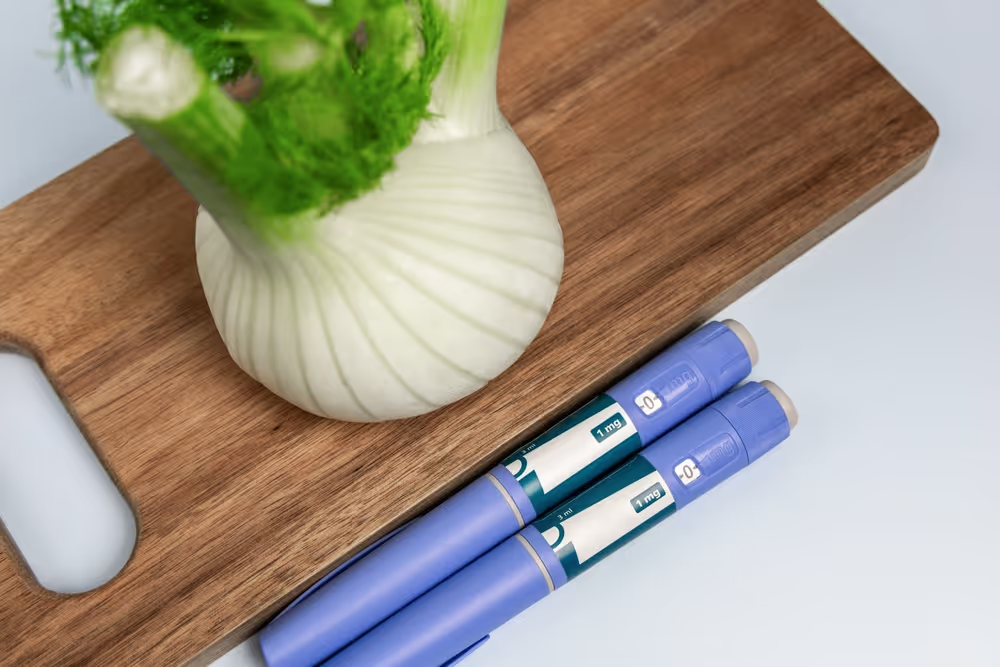
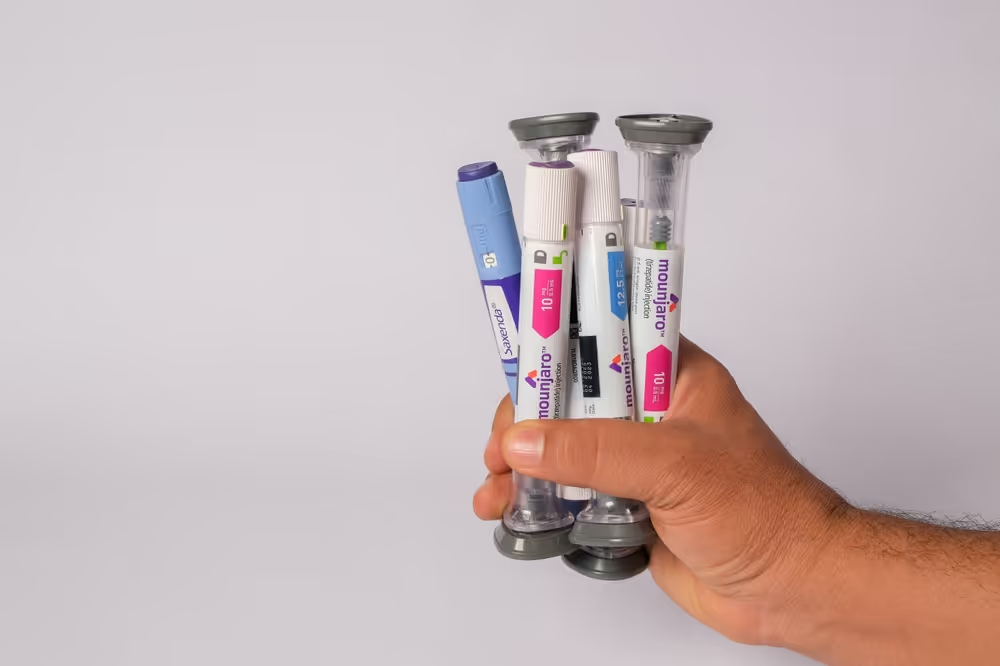
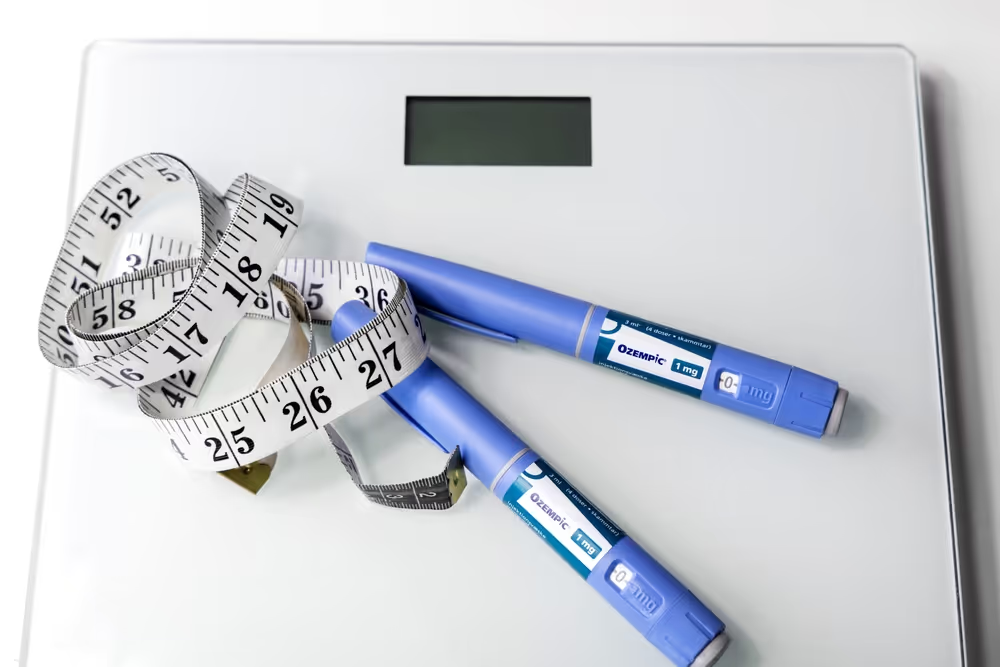
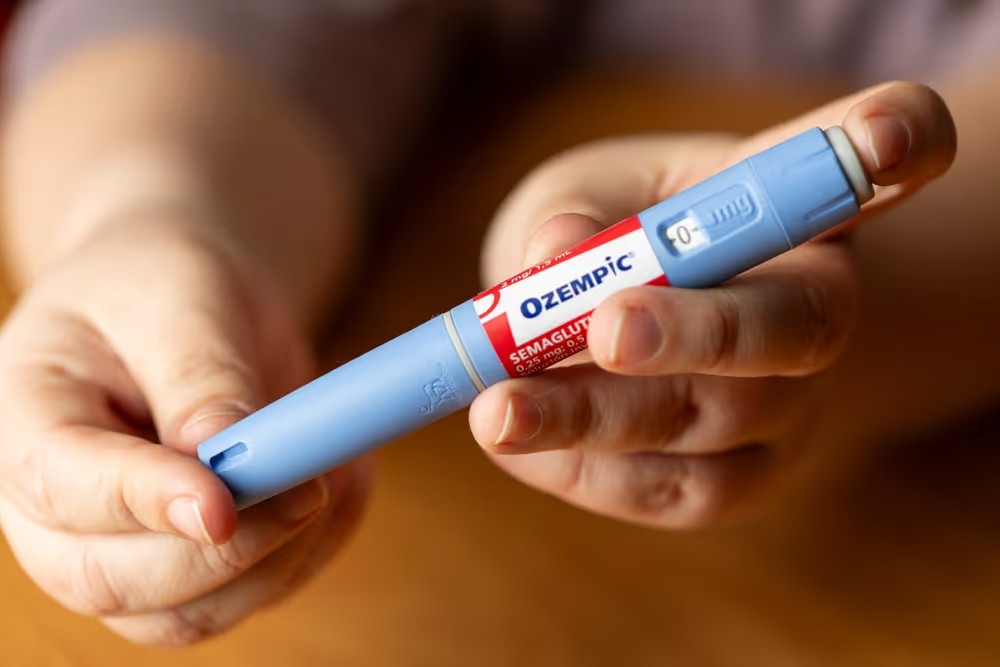
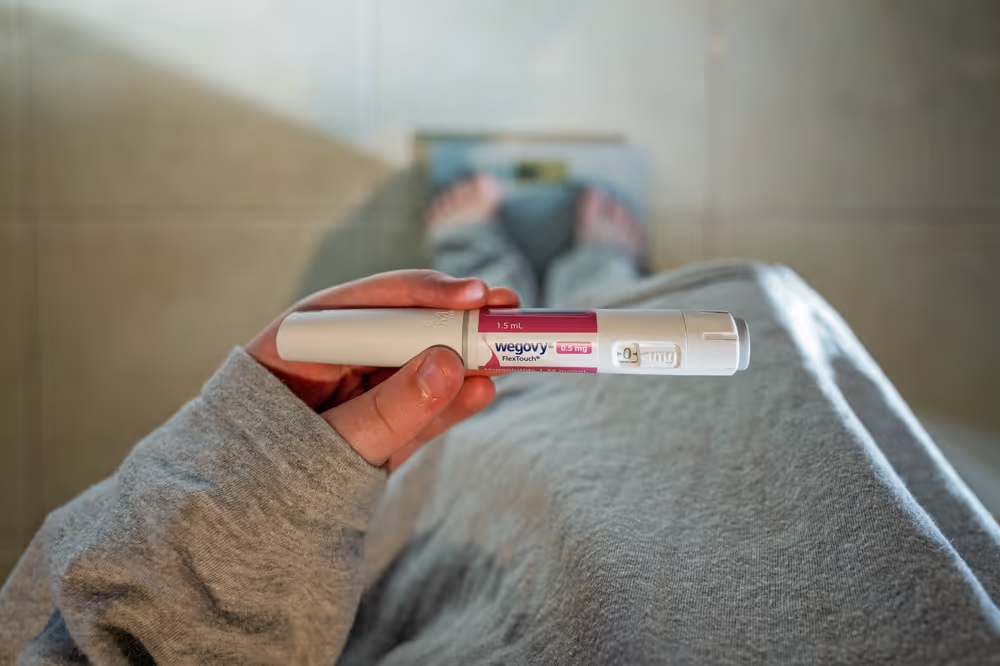
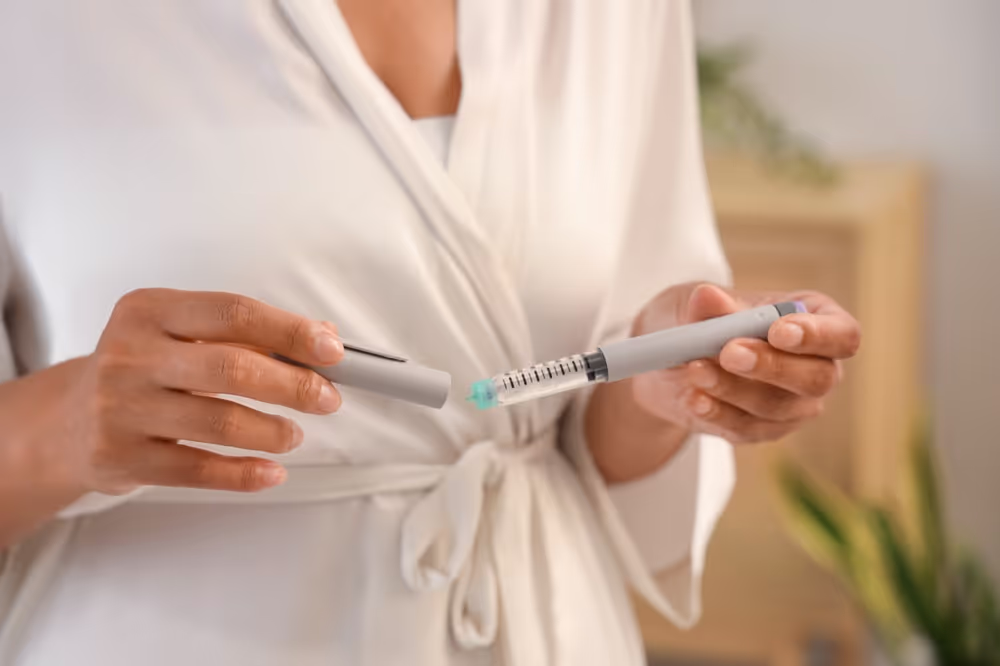
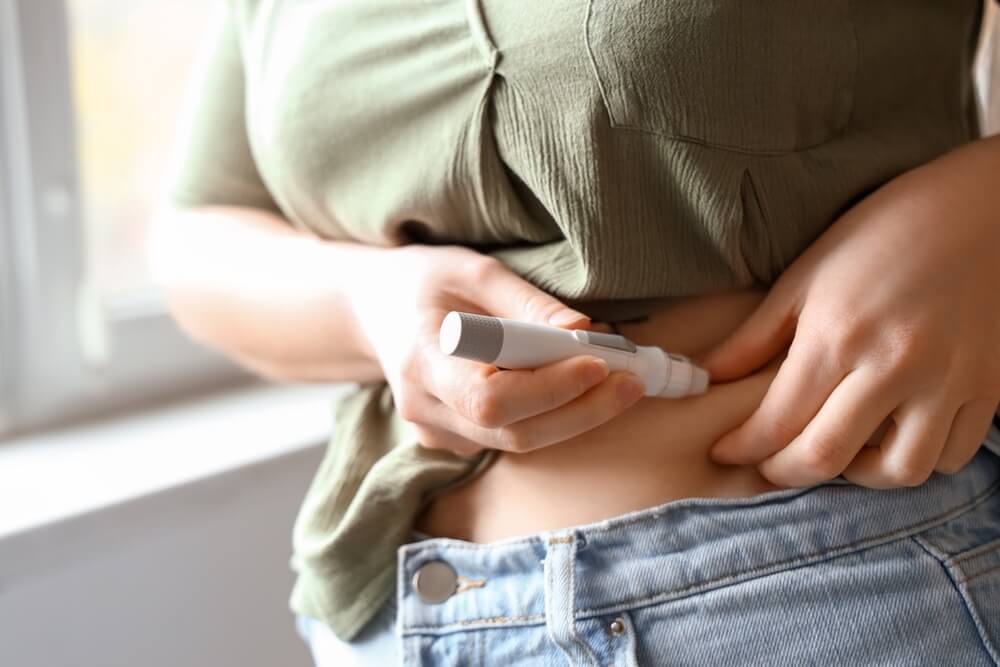
GLP-1 medications work by acting on the same receptors as your natural GLP-1 hormone, enhancing your body’s own appetite and blood sugar control system. They are usually given as once-weekly injections using a pre-filled pen device.

How do GLP-1 medications help with weight loss?

GLP-1 medications support weight loss in several ways. Rather than relying on willpower alone, they change how your body and brain respond to food, hunger and fullness. This makes it easier to stick to a reduced-calorie diet and achieve steady, sustainable weight loss.

Appetite control & slower digestion

One noticeable effect of GLP-1 medications is slowed digestion. When your stomach empties more slowly, food stays in your system for longer, and you feel fuller after smaller portions.

This can mean:

  • You feel satisfied after meals
  • You’re less likely to pick at snacks
  • Smaller, balanced portions become enough

Many patients describe this as a “quietening” of constant food thoughts. Instead of planning the next snack or craving something sweet, you may find that food takes up less mental space.

Blood sugar balance

Blood sugar control and weight management are closely linked. When your blood sugar swings up and down throughout the day, you’re more likely to feel tired, irritable and hungry. That’s when reaching for high-sugar, high-fat foods becomes most tempting.

GLP-1 medications help by:

  • Stimulating insulin secretion when blood sugar levels are high
  • Reducing the amount of glucose released by the liver
  • Helping prevent large spikes and crashes in blood sugar

By keeping blood sugar levels more stable, your energy is steadier and you’re less prone to those intense craving moments that can derail efforts. For people with type 2 diabetes, this also helps to reduce the risk of complications in a wider treatment plan.

Reduced cravings

As well as acting on the gut and pancreas, GLP-1 medications also seem to influence the brain’s appetite and reward centres. For many people, this translates into:

  • Fewer cravings for sugary drinks, sweets and chocolate
  • Less desire for large, carb-heavy meals
  • A reduced urge to snack out of boredom or habit

This is helpful if you’ve tried multiple diets in the past and found that your appetite always seems to “fight back”. When your physical hunger and cravings are dialled down, lifestyle changes become much more realistic to maintain.

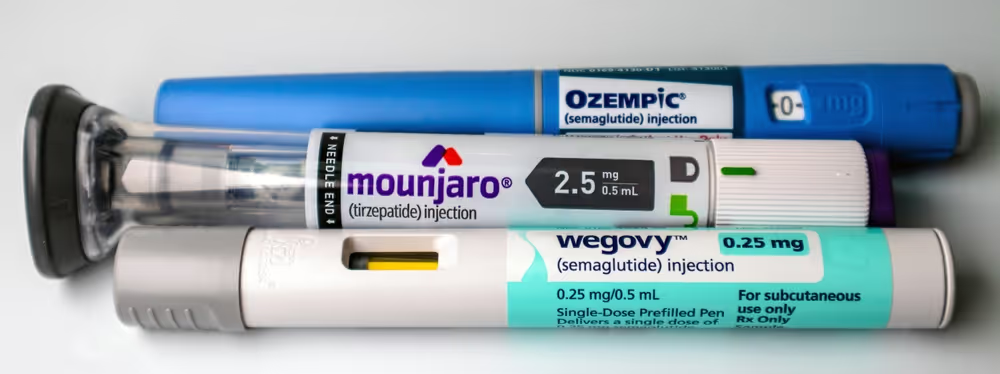
Common GLP-1 medications for weight loss available in the UK

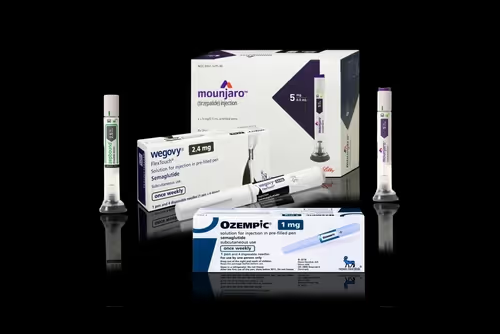
Several GLP-1 medications are available on prescription in the UK.

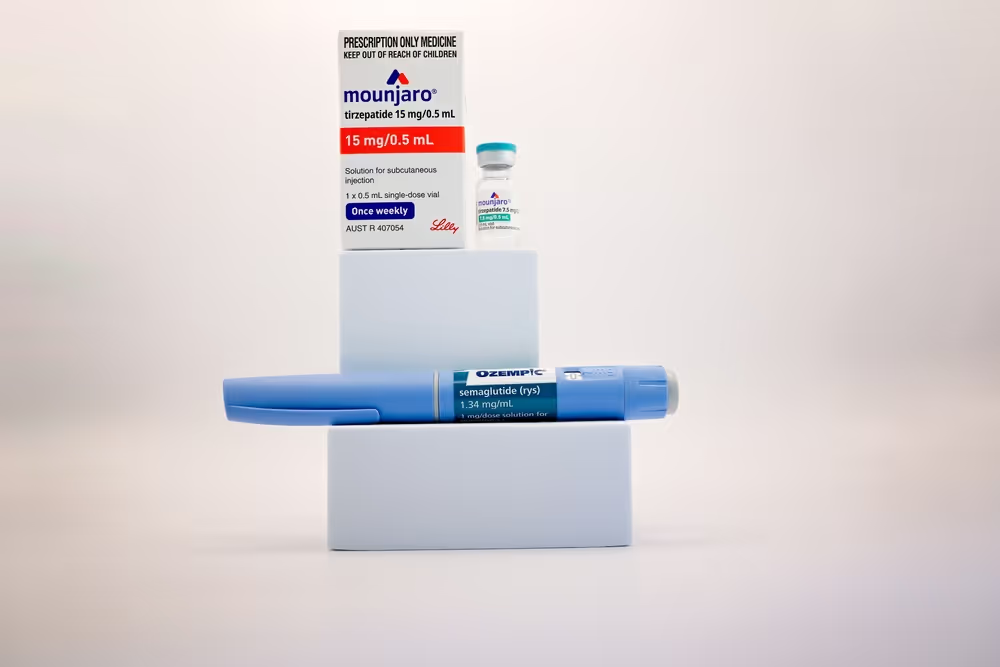
Brand name Generic name Typical use How It’s taken
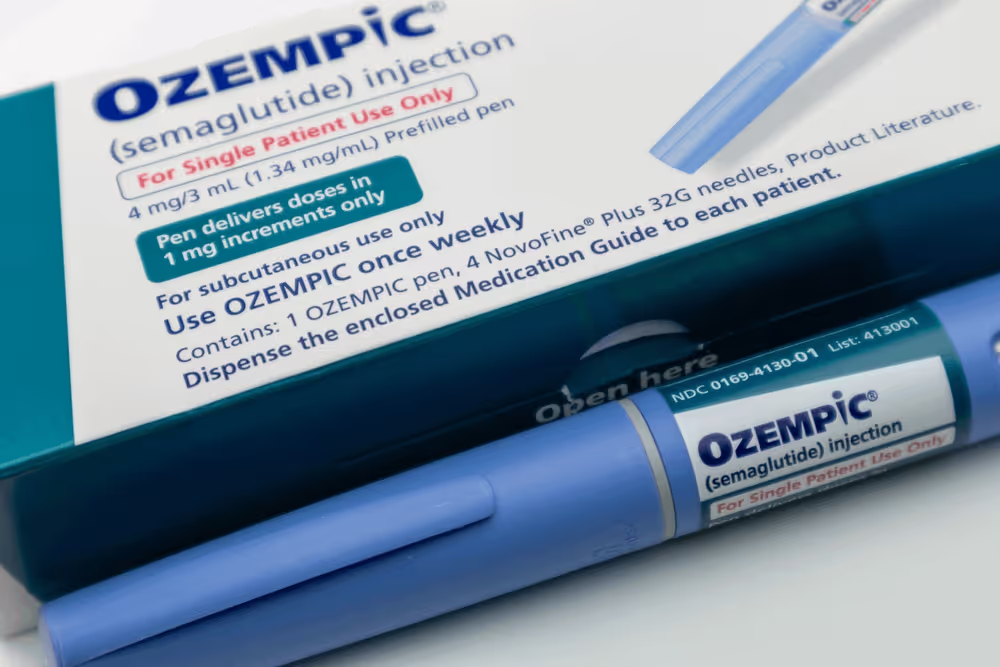
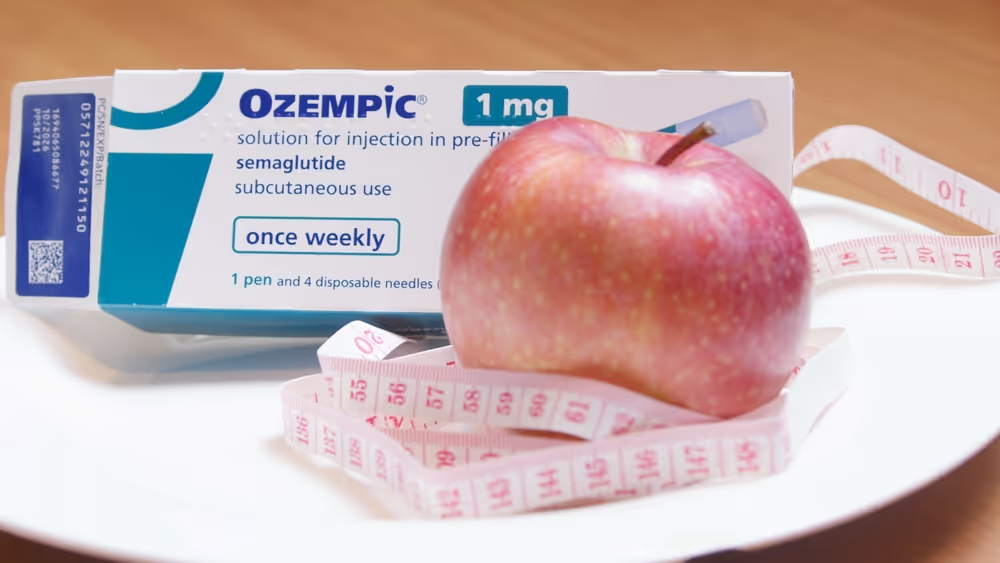
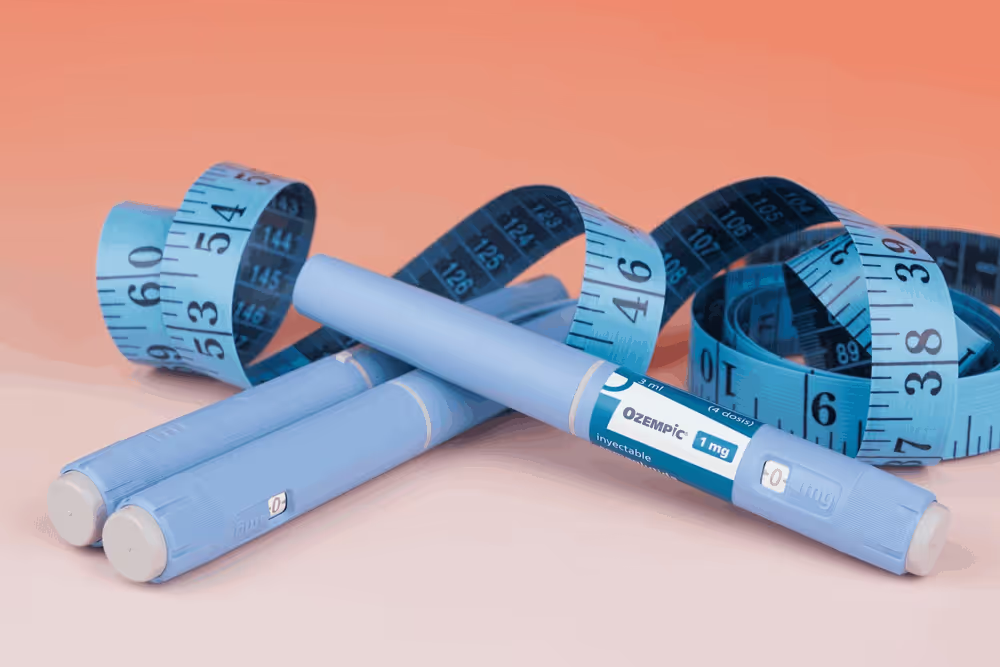
Ozempic® Semaglutide Licensed for type 2 diabetes; sometimes used off-label for weight management under specialist care Weekly injection
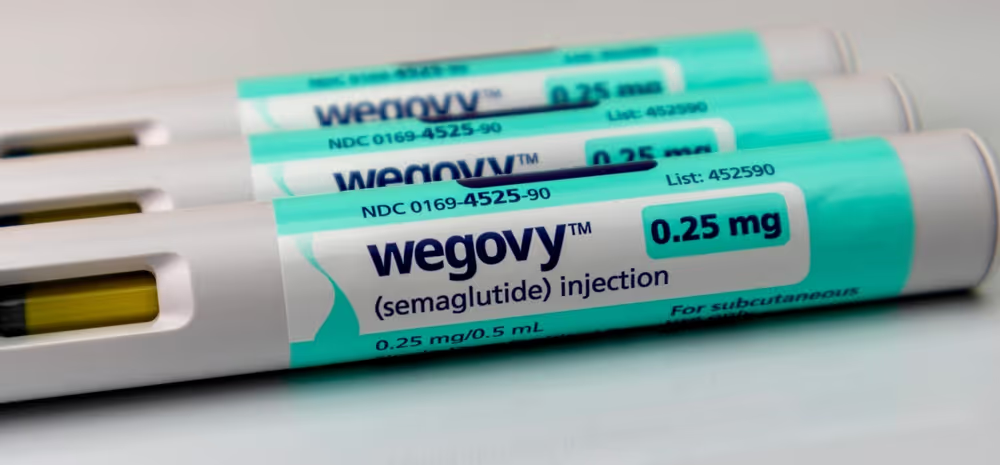
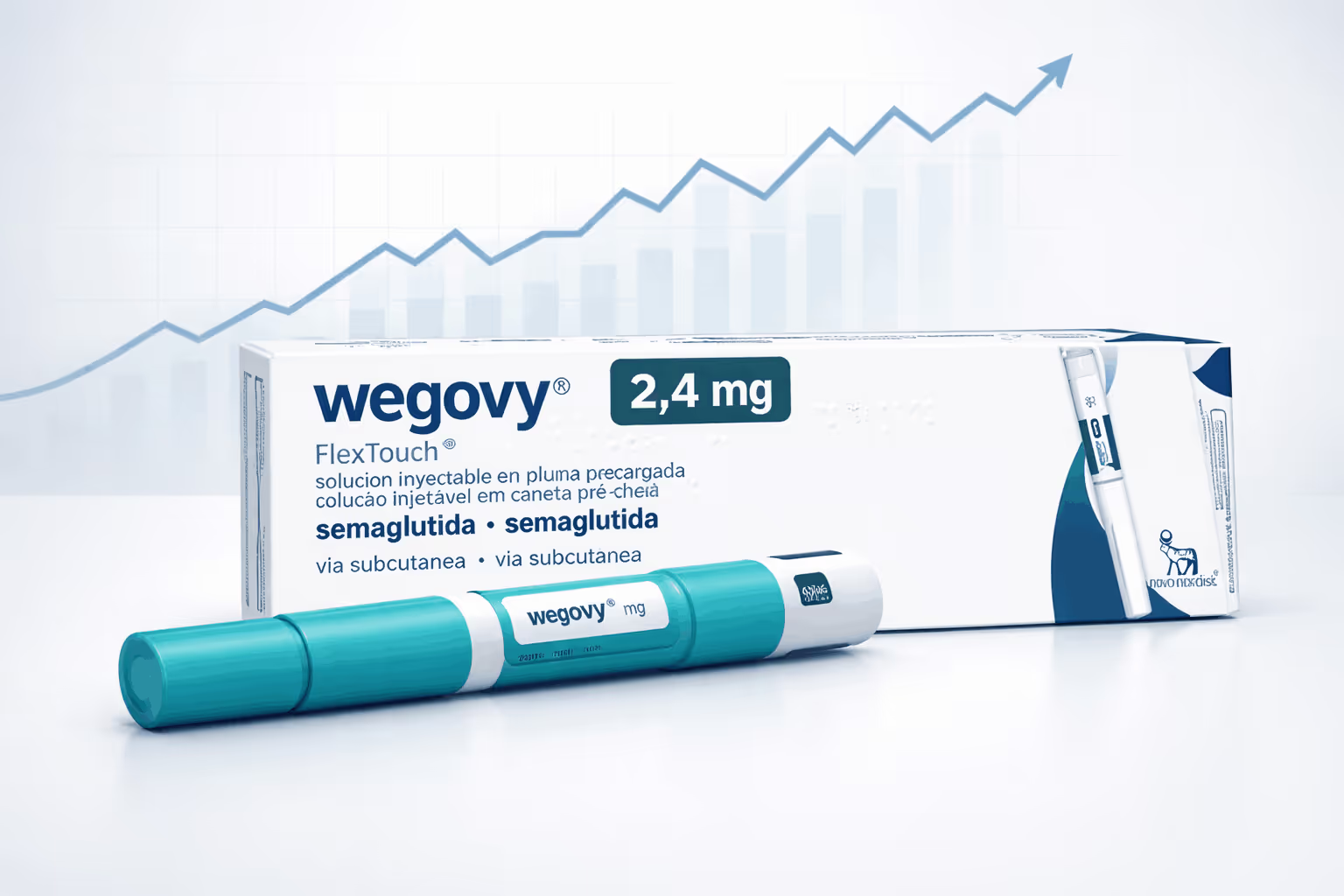
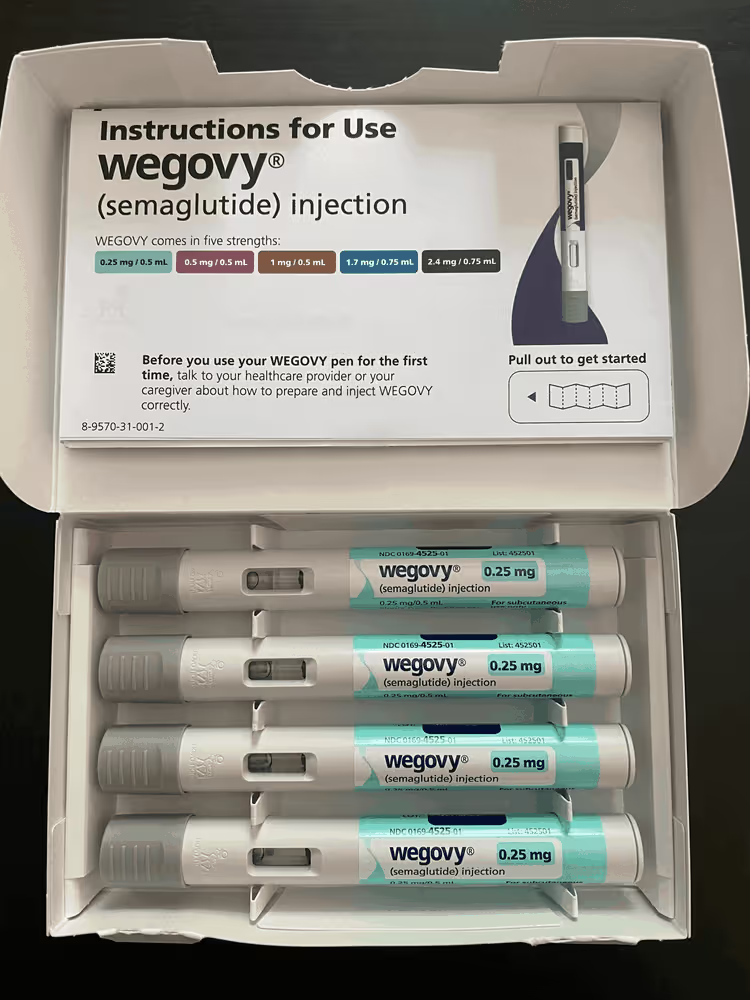
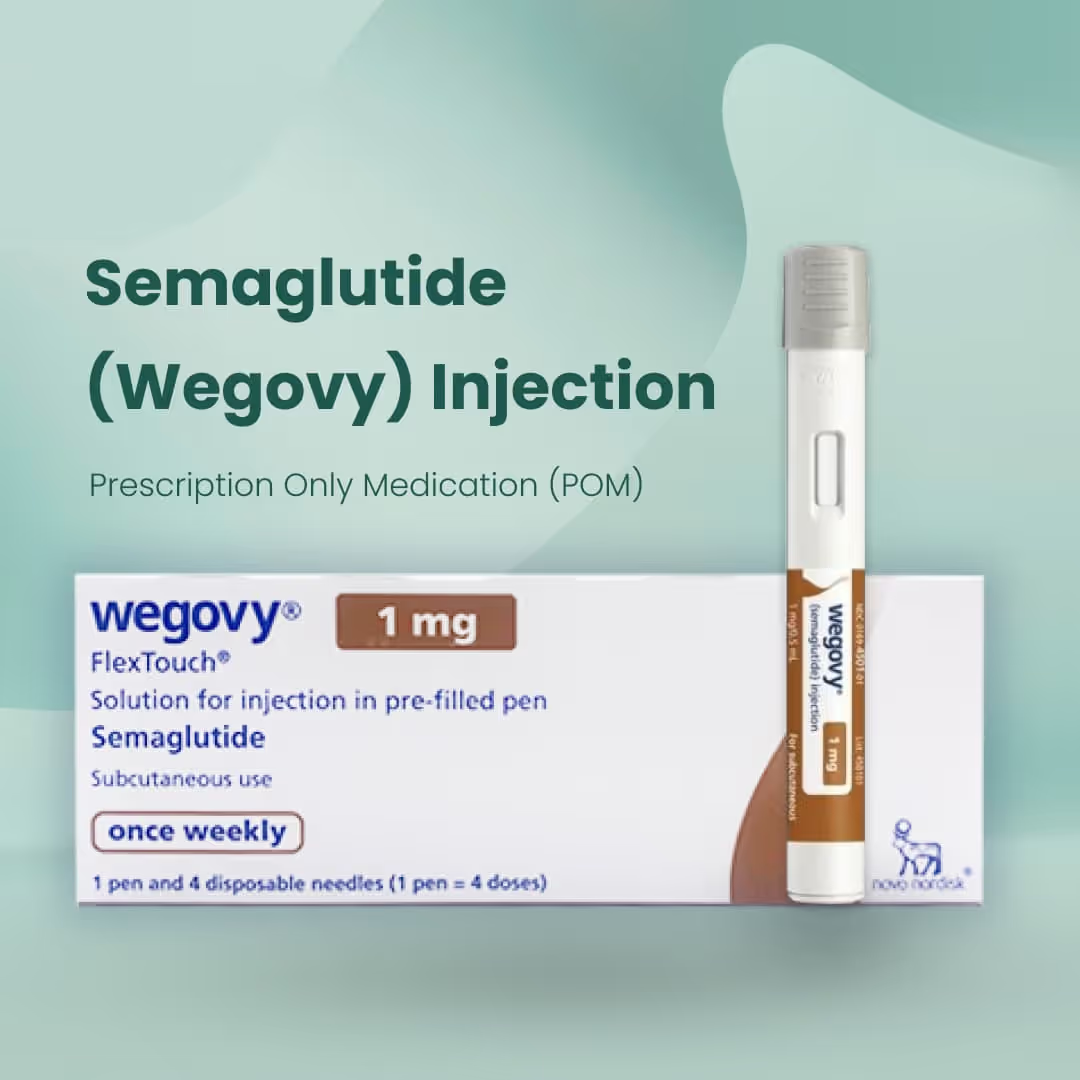
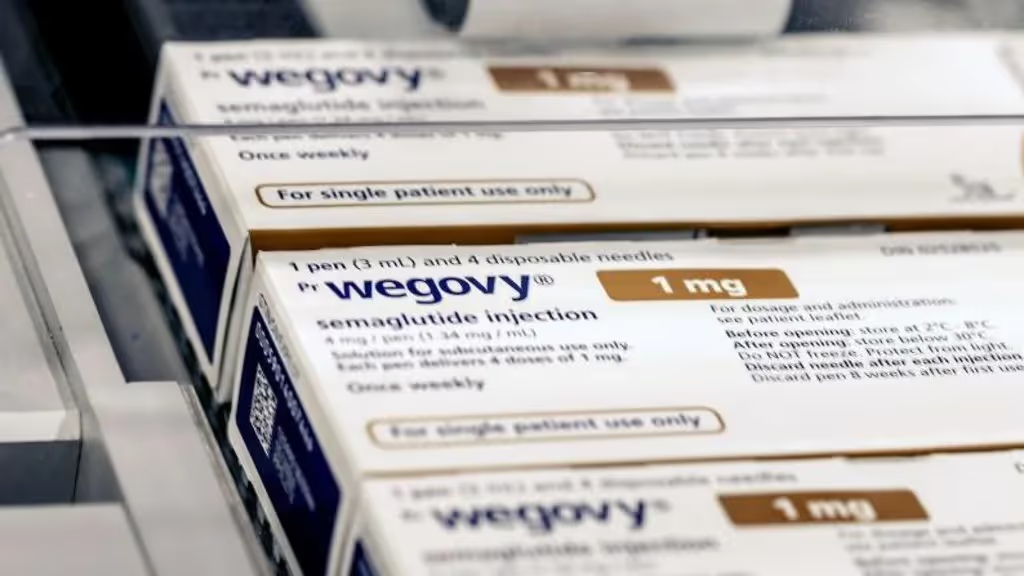
Wegovy® Semaglutide Licensed specifically for weight management in adults with obesity or overweight with weight-related conditions Weekly injection
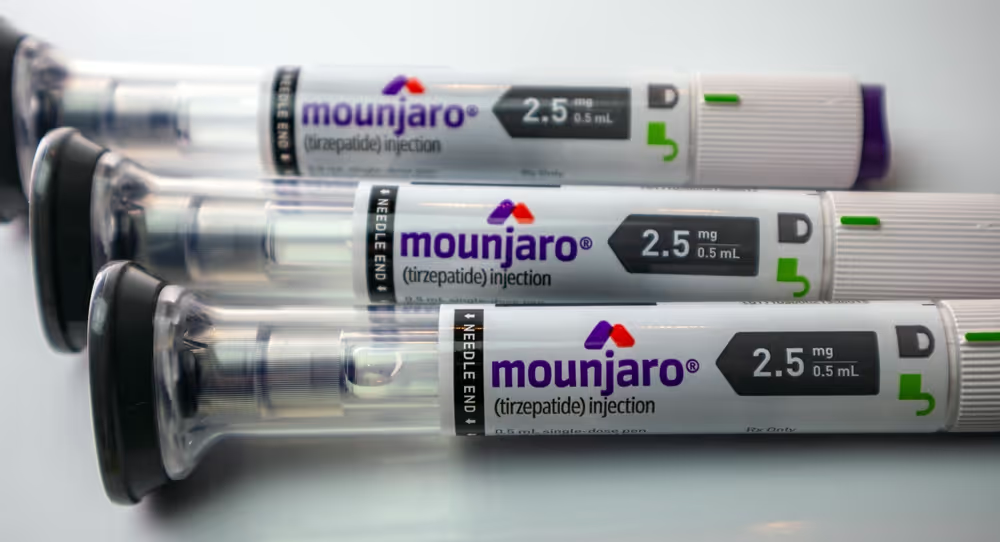
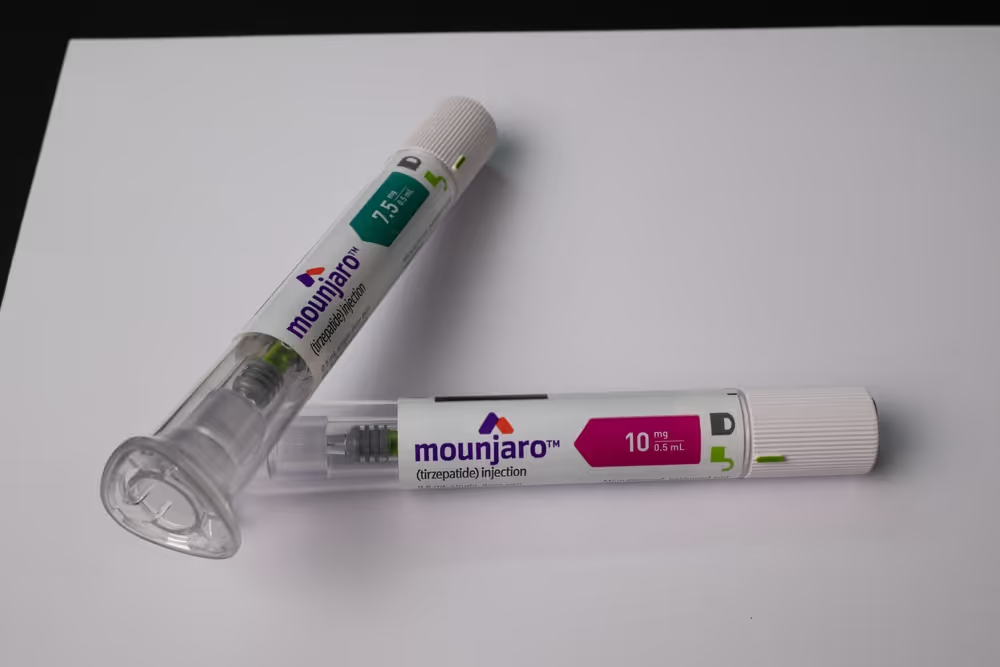
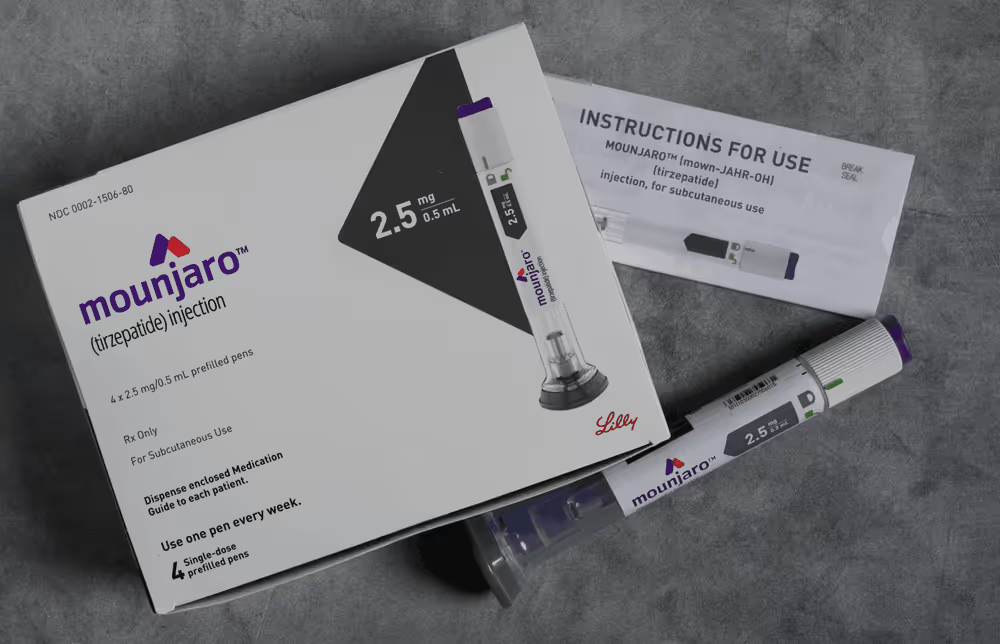
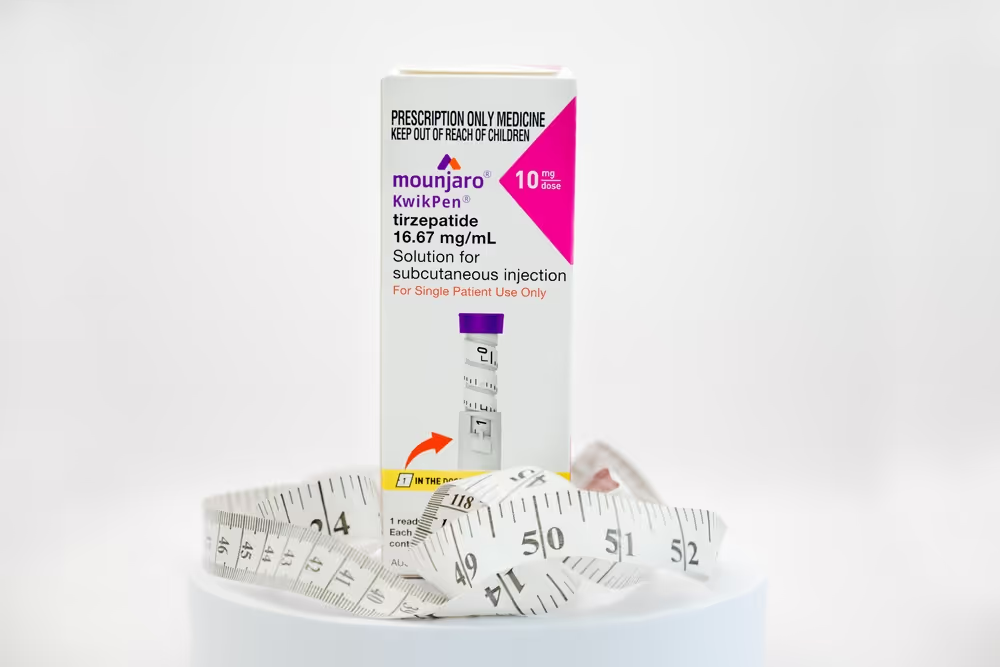
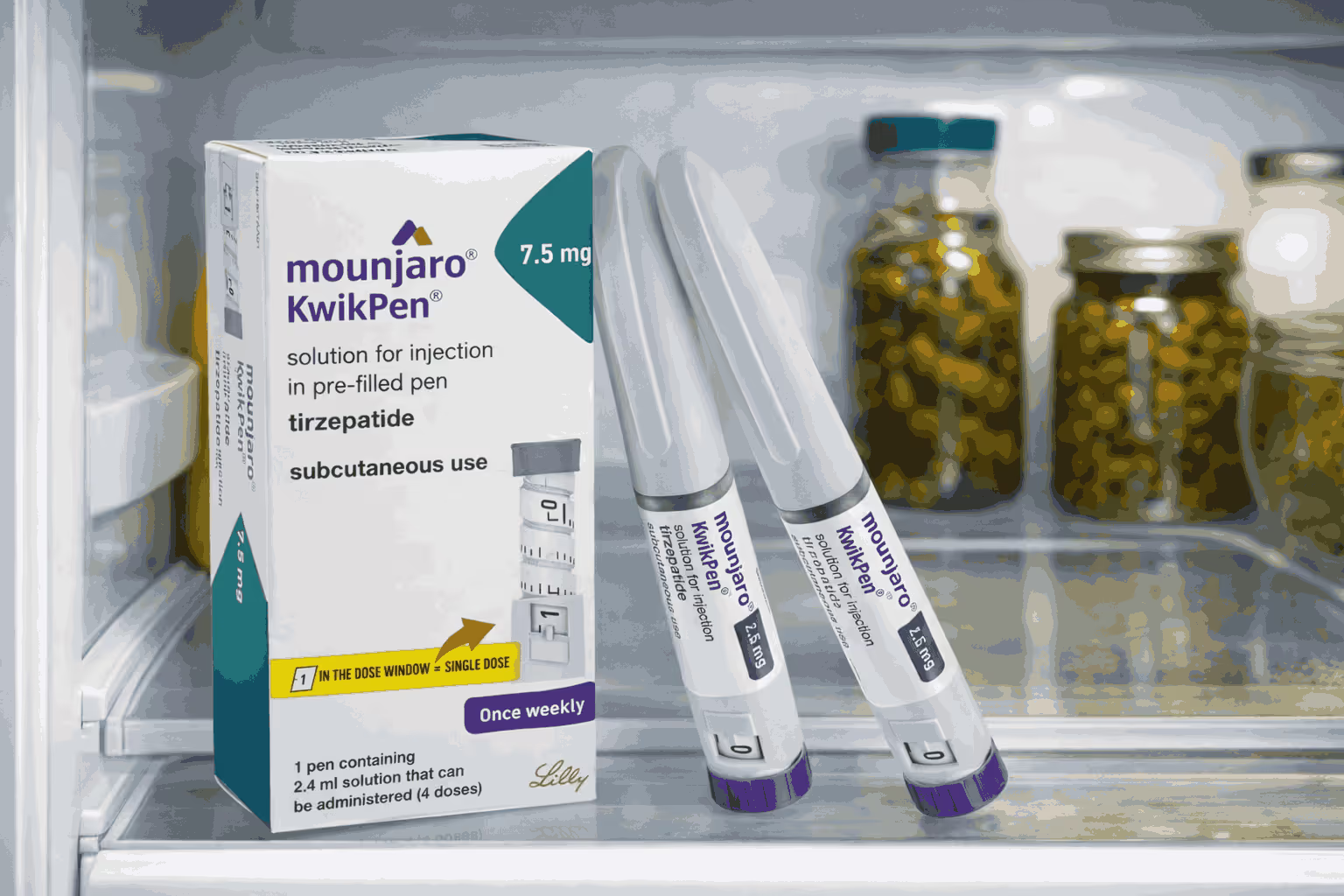
Mounjaro® Tirzepatide Licensed for type 2 diabetes in the UK; also used for weight management in line with emerging guidance Weekly injection

Your clinician will explain which options are suitable for you and whether treatment is available through the NHS, privately, or via a regulated online weight-loss service.

What are the side effects of GLP-1 medications?

Like all prescription medicines, GLP-1 treatments can cause side effects.

Common side effects

The most common side effects are digestive, particularly when you first start treatment or when the dose is increased.

  • Nausea (feeling sick)
  • Vomiting
  • Diarrhoea
  • Constipation
  • Bloating or wind
  • Stomach discomfort or indigestion
  • Loss of appetite

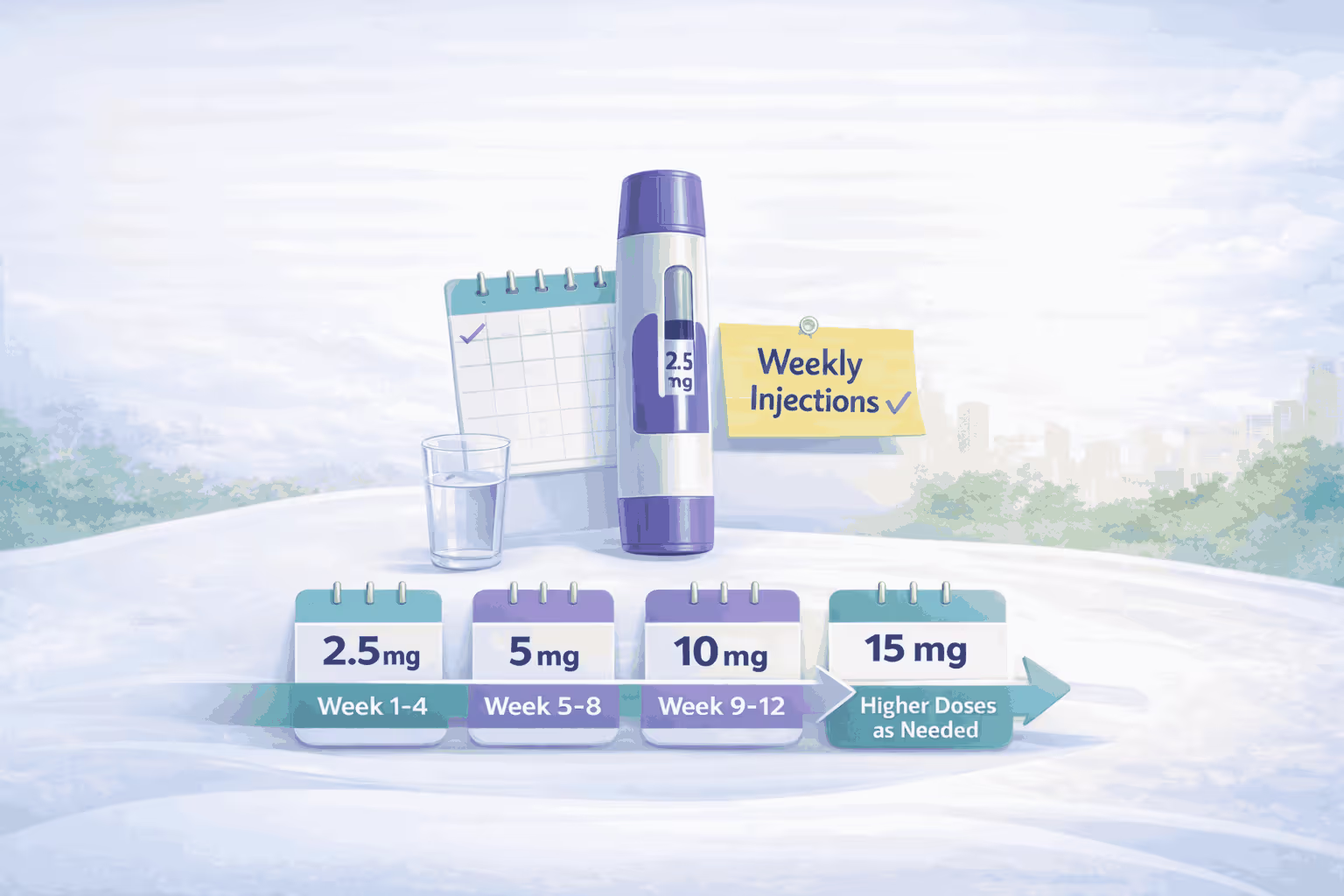
To reduce the likelihood and severity of symptoms, your prescriber will usually start you on a lower dose and gradually increase this over time. Simple lifestyle measures can also help, such as:

  • Eating smaller, more frequent meals rather than large portions
  • Avoiding rich, greasy or very spicy foods
  • Limiting alcohol intake
  • Staying well hydrated by sipping water throughout the day

If side effects are troublesome, don’t suffer in silence. Speak to your clinician or pharmacist – they should be able to help.

Rare but serious side effects

Serious side effects are uncommon, but it’s important to be aware of them.

  • Pancreatitis. Symptoms may include severe, persistent abdominal pain that can spread to the back, often with vomiting
  • Gallbladder problems. Gallstones or gallbladder inflammation, which may cause pain in the abdomen, fever or jaundice
  • Kidney problems. Particularly if you become dehydrated due to vomiting or diarrhoea
  • Severe allergic reactions. Such as swelling of the face, lips, tongue or throat, difficulty breathing or a widespread rash

If you experience any worrying symptoms, especially severe abdominal pain, chest pain, breathing difficulties or signs of an allergic reaction, you should seek urgent medical help by calling 999 or attending A&E.

Who should take or avoid GLP-1 medications?

GLP-1 medications are not designed as a quick fix or cosmetic slimming product. They are intended for adults living with obesity or weight-related health issues and would benefit from structured weight loss.

You may be considered for a GLP-1 medication if:

  • Your BMI is 30 or above (in the obese range)
  • Your BMI is 27 or above, and you have at least one weight-related condition
  • You’ve already tried lifestyle changes, such as diet and exercise, but struggled with meaningful weight loss
  • You are willing to engage in a comprehensive weight management plan, including dietary advice, movement and behaviour support

However, GLP-1 medications are not suitable for everyone. You should not take GLP-1 medicines if:

  • You are pregnant, planning a pregnancy or breastfeeding
  • You have a personal or family history of certain conditions affecting the thyroid like medullary thyroid carcinoma or a rare endocrine syndrome called MEN 2
  • You have severe digestive problems such as gastroparesis
  • You’ve previously had a severe reaction to a GLP-1 medication or any of its ingredients

Your prescriber will take a detailed medical history, review your current medicines and may request recent blood tests before deciding whether this treatment is suitable for you.

How to take GLP-1 medications safely

Taking GLP-1 medications correctly is key to getting the best results and reducing the risk of side effects. In the UK, you should always follow the instructions given by your own healthcare provider and read the patient information leaflet supplied.

Here are some general safety tips:

  • Stick to the prescribed dose and schedule
    Do not increase your dose faster than advised, even if you feel well.
  • Use the injection pen correctly
    Your clinician, nurse, or pharmacist should show you how to use your injection pen before you start.
  • Rotate injection sites
    Try not to inject into the same spot every time, as this can cause irritation or lumps under the skin.
  • Store your medication properly
    Unused pens are usually stored in the fridge, away from the freezer compartment. Once in use, some pens can be kept at room temperature for a limited time.
  • Avoid doubling up on doses
    In general, if it’s been too long since your last dose, you may be advised to skip the missed dose and wait for your next scheduled day.
  • Keep up with regular check-ins
    Regular reviews help ensure the medication remains safe and effective for you.
  • Combine medication with lifestyle changes
    GLP-1 medications work best when paired with healthy lifestyle habits.

If you’re ever unsure about anything or your circumstances change (for example, you become pregnant or start a new medicine), speak to your GP, pharmacist or prescribing clinician for advice.

Conclusion

GLP-1 medications have transformed the landscape of medical weight management in the UK. By working with your body’s own hormone systems, they help reduce appetite, improve blood sugar control and support steady, clinically meaningful weight loss.

For more information on GLP-1 medications and alternatives, visit The Virtual Slimming Clinic today. We offer prescriptions and countless free resources to guide your weight-loss journey.

Frequently Asked Questions (FAQs)

Which GLP-1 medications are approved in the UK?

In the UK, several GLP-1–based treatments are licensed for either type 2 diabetes, weight management, or both: Wegovy® (semaglutide), Ozempic® (semaglutide), and Mounjaro® (tirzepatide).

Are GLP-1 medications safe?

GLP-1 medications have been studied in large clinical trials and are considered safe when used as recommended and under healthcare professional supervision. Most side effects are mild to moderate, particularly gastrointestinal symptoms such as nausea or constipation, which usually settle as your body adapts.

If you have specific concerns, such as a past medical condition or family history, raise them during your consultation.

How long do GLP-1 medications take to work?

Everyone is different, but many people notice a reduction in appetite within the first few weeks of treatment. Visible changes on the scales may take a little longer.

It’s common to see the most significant changes between 3 and 6 months, provided the medication is taken consistently and combined with lifestyle changes.

Are GLP-1 medications suitable for non-diabetics?

Yes. Some GLP-1 medications, such as Wegovy, are licensed explicitly for weight management in adults who do not have diabetes but who meet certain BMI and health criteria, with others sometimes prescribed “off-label”.

That said, GLP-1 medications are not meant for individuals who simply want to lose a small amount of weight for cosmetic reasons.

What happens if I miss a dose of a GLP-1 medication?

  • If it has been only a short time since your scheduled dose (for example, within a couple of days), take the missed dose as soon as you remember, then continue as usual.
  • If more time has passed, you may be told to skip the missed dose and wait until your next scheduled injection.

Always follow the guidance in your patient information leaflet and, if in doubt, contact your clinician for personalised advice. Do not double up doses to “catch up”, as this can increase the risk of side effects.

Other Articles

2 min read
Side Effects of Weight Loss Injections: What You Need to Know
Weight loss injections: Do the benefits outweigh the risks? Find out about common side effects, serious concerns, and who should avoid these medications..
2 min read
Double Win? Research Links Weight Loss Medication to Improved Sleep Apnea
According to a recent Guardian article, a weight loss drug appears effective in alleviating sleep apnea in obese patients...
2 min read
How to Maximise the Effectiveness of ED Medications?
Erectile dysfunction (ED) medications have revolutionised how men approach intimacy...
2 min read
What is Obesity: Everything You Need to Know
Obesity has become a significant public health concern in the UK, impacting millions of adults and children...
2 min read
Does Obesity Cause Hair Loss?
Hair loss can be a stressful experience, and while genetics often play a starring role, other lifestyle factors can influence your crowning glory...
5 min read
A Sustainable Weight Loss Diet Plan for Healthy Results
A diet plan for weight loss doesn’t have to mean making strict restrictions or cutting out entire food groups...
4 min read
The Best Weight Loss Pills on The Market
There are countless different ways that people try to speed up and support the process of losing weight...
2 min read
The Side Effects of Ozempic You Should Be Aware Of
Ozempic has become one of the most widely discussed treatments in the field of weight management, with dedicated news pages from major outlets and institutions...
2 min read
Common Mounjaro Side Effects You Should Know About
The drug is designed to stimulate insulin release (for type-2 diabetics), along with supporting a longer-lasting full feeling in the stomach...
2 min read
Weight Loss Pills vs Injections – Which Works Best for You?
Prescription weight loss treatment is more common now than ever before, which is a massive step in the right direction in handling the obesity epidemic...
2 min read
How Does Ozempic Work? The Ultimate Breakdown
This blog will explore the mechanics of Ozempic, along with highlighting how it stacks up in today’s landscape of weight loss injections.
2 min read
How Does Mounjaro Work? Your Essential Introduction
The battle against your own body and mind can feel crushing, with attempts to get healthier the “traditional way” often feeling like a full-time job...
6 min read
How Does Wegovy Work? Everything You Need to Know
If you’ve been struggling with your weight for a while, you know it can feel impossible at times. You try a plan, it fizzles and bang, you’re back to square one...
2 min read
Switching from Mounjaro to Wegovy: What You Need to Know
Mounjaro and Wegovy are powerful injectables used to manage obesity and type 2 diabetes, though they have different mechanisms and titration plans...
10 min read
What to Eat on Mounjaro: The Ultimate Diet Plan for Faster Weight Loss
If you’re planning on using Mounjaro to lose weight, you can expect it to change the way you eat naturally...
2 min read
How to Switch from Mounjaro to Wegovy Safely
Mounjaro and Wegovy are effective weight loss medications that have a similar mechanism of action...
10 min read
What to Eat on Wegovy for Maximum Weight Loss Results in 2025
Starting Wegovy is an opportunity to reset your approach to planning, shopping, cooking, and eating...
5 Effective Strategies to Boost Weight Loss with Wegovy
If you’re taking Wegovy, you’re probably looking to maximise weight loss results in a realistic, safe and sustainable fashion...
2 min read
Are Weight Loss Injections Safe?
Choosing a path to better health is rarely a straight line – it’s a journey. For some, coaching and kitchen habits are enough...
5 min read
Mounjaro vs Wegovy: Which Injection is Best for Weight Loss?
You’re not imagining it – more people than ever are asking about weight loss injections and wondering which option is the more brilliant first move...
2 min read
Diet Hacks That Maximise Weight Loss When Using GLP-1 Medications
GLP-1 medications, such as Mounjaro (tirzepatide) and Wegovy (semaglutide), are becoming increasingly popular as weight-loss treatments...
6 min read
How Long Can You Safely Stay on Ozempic for Weight Loss?
You can safely stay on Ozempic for weight loss as long as it remains effective, well-tolerated and monitored by your healthcare provider...
2 min read
The Cost of Essentials: How Much Does Wegovy Actually Cost in the UK?
To help them lose weight, some people living with obesity use GLP-1 medications like Wegovy and Mounjaro...
2 min read
Unexpected Side Effects Patients are Reporting on Mounjaro – What to Know
The introduction of GLP-1 drugs has turned the weight loss industry into big business...
4 min read
Does Ozempic Cause Hair Loss?
While Ozempic (semaglutide) isn’t directly linked to causing hair loss, some people taking it may notice increased shedding or thinning...
2 min read
7‑Day Transition Plan Moving from Mounjaro to Wegovy
Switching from one GLP-1 medication to another can feel overwhelming...
4 min read
Does Wegovy Need to Be Refrigerated?
Wegovy must be refrigerated between 2°C and 8°C to maintain its strength and stability...
2 min read
Can You Drink Alcohol on Ozempic? What You Should Know
You can drink alcohol while taking Ozempic, but it’s important to do so in moderation and with care...
4 min read
What Happens When You Stop Taking Ozempic: Effects and Considerations
When you stop taking Ozempic, your blood sugar and appetite can increase, leading to potential weight regain and metabolic changes...
4 min read
Top 10 Ozempic Benefits | Everything You Need to Know
Ozempic offers a range of benefits, including weight loss support, improved blood sugar control, and reduced heart disease risk...
4 min read
What Happens When You Stop Taking Wegovy? Risks and Safety Tips
When you stop taking Wegovy, your appetite typically increases, weight regain becomes more likely...
4 min read
How and Where to Inject Ozempic | A Complete Guide
The best place to inject Ozempic is into the fatty tissue of your abdomen, thigh, or upper arm, rotating sites...
4 min read
Where and How to Inject Mounjaro: Step-by-Step Guide
The easiest places to inject Mounjaro are the abdomen, thigh, or upper arm, and rotating sites...
4 min read
Where and How to Inject Wegovy: A Complete Step-by-Step Guide
Wegovy should be injected once weekly into the abdomen, thigh or upper arm, avoiding the navel area...
4 min read
Is Ozempic Insulin? Key Differences Explained
Ozempic is not insulin. Ozempic is a GLP‑1 receptor agonist that helps your body release insulin naturally...
3 min read
Does Mounjaro Cause Diarrhoea? What You Need to Know
Mounjaro can cause diarrhoea, and it is one of the more common gastrointestinal side effects experienced...
3 min read
Does Ozempic Cause Cancer? Everything You Need to Know
Does Ozempic cause cancer? Current evidence does not show that Ozempic causes cancer in humans...
4 min read
What Are GLP-1 Medications: Everything You Need to Know
What are GLP-1 medications? They are prescription treatments that mimic a natural hormone in your body...
4 min read
What Medicines Can You Not Take with Mounjaro: Complete Safety Guide
“What medicines can you not take with Mounjaro?” comes down to anything that increases...
6 min read
Wegovy Doses Chart for Weight Loss
The Wegovy doses chart for weight loss shows a carefully structured, week-by-week escalation...
8 min read
How Long Does It Really Take for Semaglutide to Suppress Appetite?
Semaglutide appetite suppression typically begins within 1–2 weeks, but the full effect develops gradually...
8 min read
Does Mounjaro Need to Be Refrigerated?
Mounjaro should be kept refrigerated at 2°C to 8°C (36°F to 46°F). However, unopened pens...
10 min read
Semaglutide and Diarrhoea | Causes, Symptoms, and How to Manage
Semaglutide diarrhoea is a common but usually temporary side effect caused by changes in digestion...
6 min read
Best Place to Inject Mounjaro for Weight Loss
The best place to inject Mounjaro for weight loss is any of the three approved sites, being the abdomen, thigh, or upper arm..
1 min read
Weight-Loss Pills Are Here: What Novo Nordisk’s Daily GLP-1 Tablet Really Means for Patients
The recent approval of a daily GLP-1 weight-loss pill by Novo Nordisk has generated widespread attention...
2 min read
What We Know So Far About Long-Term Effects of Semaglutide and Tirzepatide
If you’re thinking of using semaglutide (Wegovy) or tirzepatide (Mounjaro) to help aid your weight loss...
6 min read
Mounjaro Dosing Schedule Guide for Weight Loss
The Mounjaro dosing schedule for weight loss begins at 2.5 mg once weekly and increases gradually...
The Best Time Of Day To Take Mounjaro For Weight Loss
he best time of day to take Mounjaro for weight loss depends on your routine and side-effect tolerance...
3 min read
How Much Weight Can You Lose in a Month with Mounjaro?
How much weight can you lose in a month with Mounjaro depends on dose, lifestyle and individual biology...
5 min read
Does Mounjaro Cause Depression or Anxiety?
Does Mounjaro cause depression or anxiety? For some people, Mounjaro may be associated...
5 min read
What Happens When You Stop Taking Mounjaro | Risks and Safety Tips
What happens when you stop taking Mounjaro depends on your body, dosage, and lifestyle...
5 min read
Does Wegovy Make You Tired? Everything You Need to Know
Wegovy can make you feel tired, particularly during the early stages of treatment, as your body...
4 min read
Why Am I Still Hungry on Semaglutide and How to Manage It?
f you’re still hungry on semaglutide, it’s usually due to dosage timing, nutrition balance, lifestyle...
2 min read
Top 10 Mounjaro Benefits | Everything You Need to Know
The top 10 Mounjaro benefits include powerful appetite suppression, clinically significant and...
2 min read
Wegovy and Periods | What You Need to Know
Wegovy and periods can be connected because changes in weight, appetite, and energy balance may influence menstrual cycles...
2 min read
Understanding the Difference Between Retatrutide and Semaglutide
Weight-loss medications have moved from fringe conversations to mainstream healthcare discussions in a remarkably short space of time...
3 min to read
Can Mounjaro Cause Dizziness? Essential Guide
Mounjaro has become one of the world’s most widely discussed medications, known for making significant waves...
3 min read
Difference Between Weight Loss and Fat Loss: What You Need to Know
The difference between weight loss and fat loss is that weight loss refers to a reduction in overall body weight...

Be The First To See Results And Updates

Subscribe For a Newsletter
Get clinical insights, expert guidance, and real
transformation stories — straight to your inbox.
Thank you! Your submission has been received!
Oops! Something went wrong while submitting the form.