.avif)

Quick answer: Semaglutide diarrhoea is a common but usually temporary side effect caused by changes in digestion, slowed gastric emptying, and GLP-1 hormone activation. It typically improves within a few weeks as your body adjusts.
Understanding semaglutide
Semaglutide has quickly become one of the most talked-about medications in both the weight-loss and metabolic health worlds, and for good reason. It is part of a class of drugs known as GLP-1 receptor agonists, created for people living with type 2 diabetes but now widely prescribed for individuals seeking weight reduction. Semaglutide mimics a naturally occurring hormone in the body, GLP-1 (glucagon-like peptide-1), which plays a key role in appetite regulation, blood sugar control and the rhythm of digestion. By amplifying this hormone’s activity, semaglutide encourages earlier feelings of fullness, steadier blood glucose levels and a significant reduction in overall calorie intake.
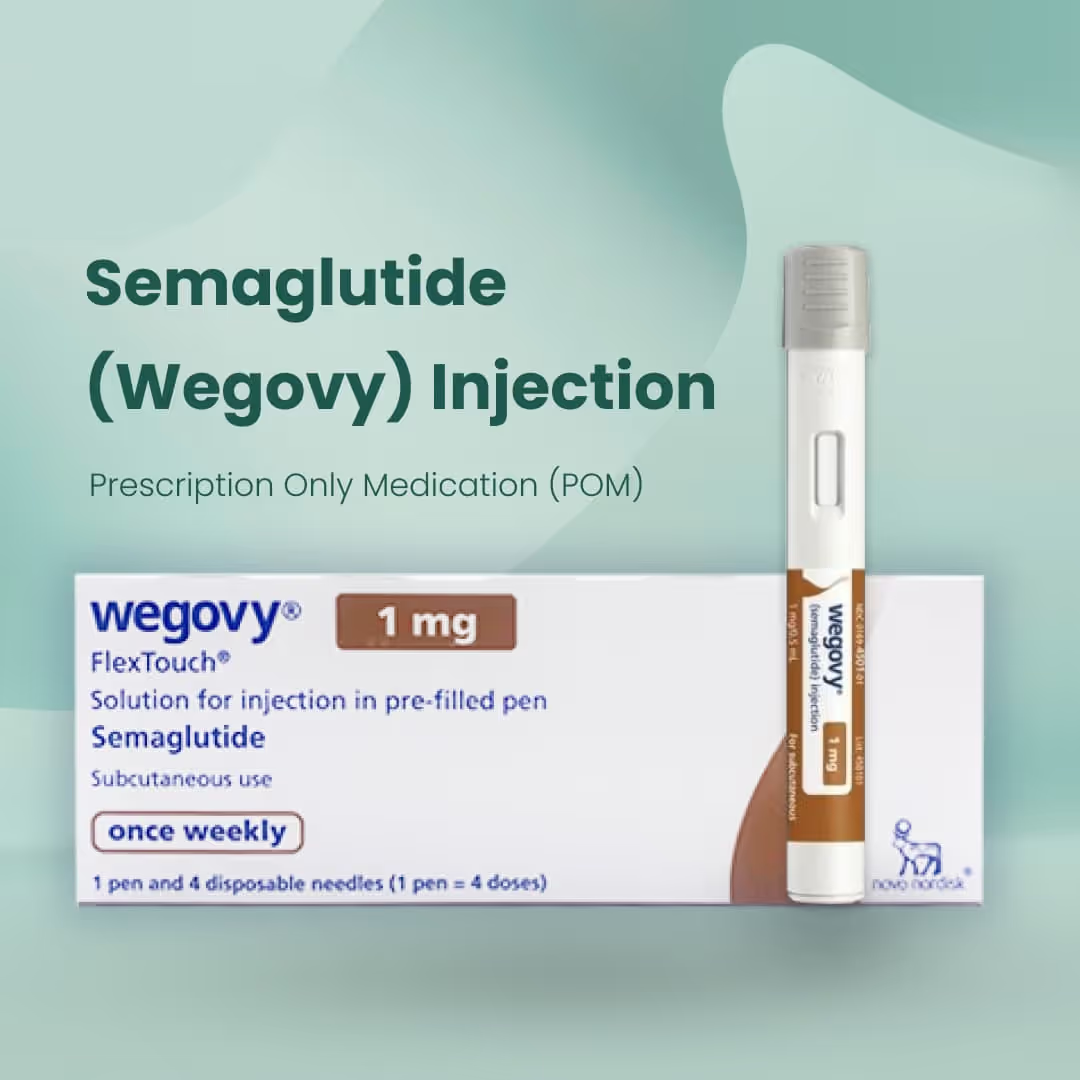
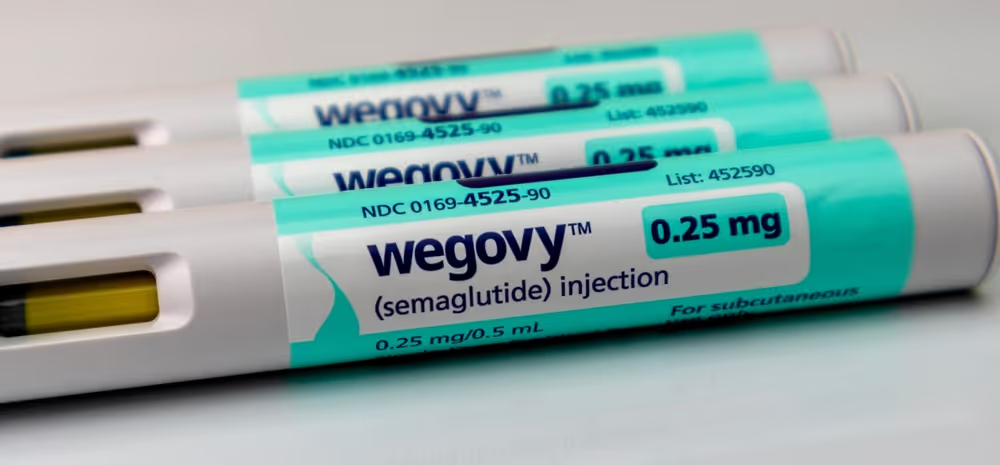
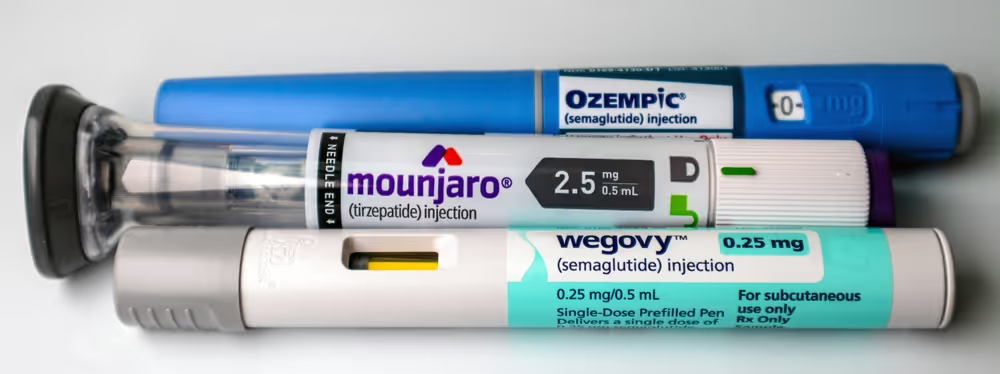
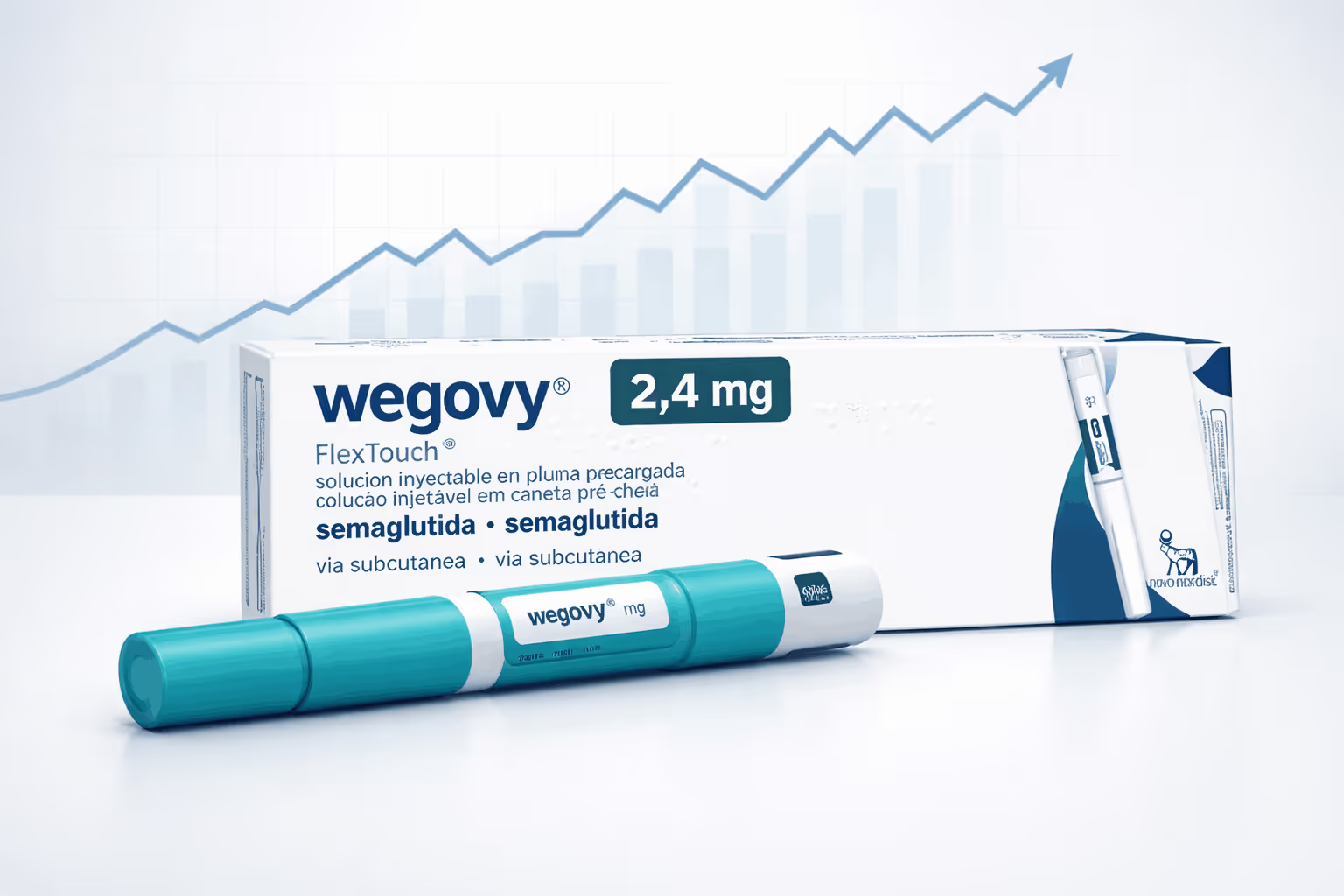
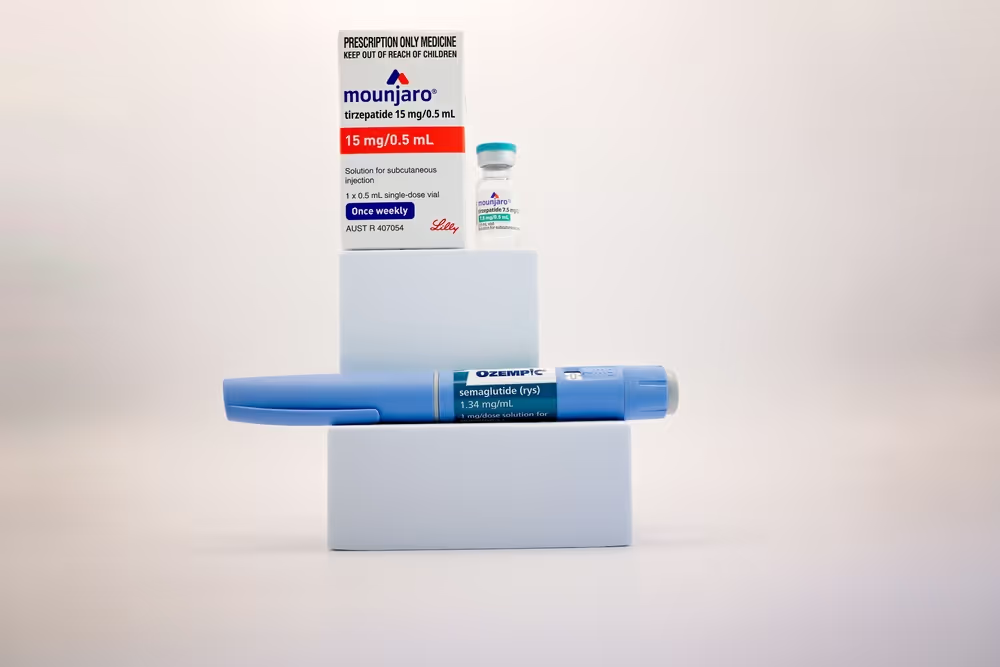
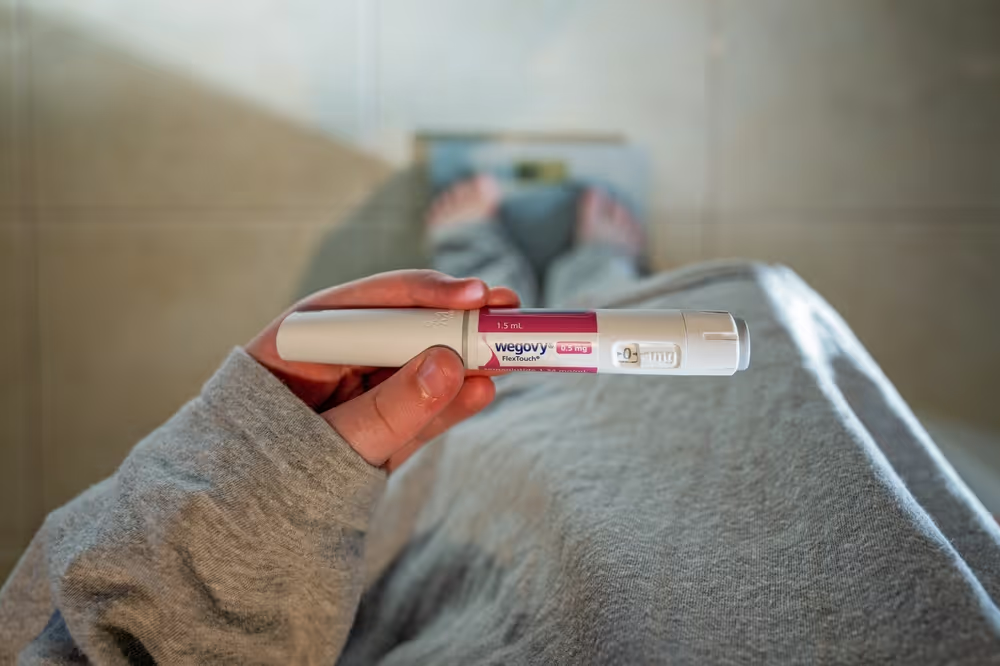
But alongside this transformative benefit, semaglutide, in the form of Ozempic or Wegovy, also interacts with other systems in the body, particularly the gut. Because GLP-1 receptors are present throughout the digestive tract, activating them can create changes in gut motility, gastric emptying and digestive hormone release. These changes can feel disruptive, especially during the early weeks of treatment. One of the most commonly reported sensations is diarrhoea.
Understanding why diarrhoea happens is an important part of feeling confident and prepared as you begin or continue treatment. It’s not a sign of something going wrong. It’s a predictable, manageable response to the very mechanisms that make semaglutide so effective. The goal is to know how to manage it so your treatment remains comfortable, empowering and sustainable.
Why does semaglutide cause diarrhoea?
Diarrhoea with semaglutide is both common and explainable. Each of the factors below contributes to how and why the digestive system reacts during the first stages of treatment.
Effect on the digestive system
Semaglutide interacts directly with the digestive tract, influencing how quickly food moves, how much water is absorbed and how strongly the intestines contract. Because semaglutide alters gastrointestinal motility, it can take time for the body to recalibrate. This recalibration is temporary, but while it is happening, occasional diarrhoea can appear, particularly after meals or shortly after a dose increase.
GLP-1 hormone activation
GLP-1 is the hormone semaglutide is designed to mimic, and its presence sends signals throughout the body. In the digestive system, GLP-1 reduces appetite, slows stomach emptying and changes how gut muscles contract. When those GLP-1 receptors are activated more strongly or more consistently than your body is used to, gastrointestinal effects, such as nausea, bloating or diarrhoea, can occur. This simply means your digestive tract is adjusting to a hormone level it hasn’t experienced before.
Slowed gastric emptying
One of semaglutide’s most powerful effects is delayed gastric emptying, meaning food leaves the stomach more slowly. This creates longer-lasting fullness, stabilised blood sugar levels and reduced cravings, but it also changes the timing of digestive processes further down the line. Because food reaches the intestines at different rates, the intestines may temporarily respond with increased fluid retention or faster propulsion, both of which can contribute to diarrhoea. Over time, the gut adapts to this new schedule, and symptoms usually lessen.
Changes in gut microbiome
Emerging research suggests that medications that affect digestion, such as GLP-1 receptor agonists, may temporarily shift the gut microbiome. This isn’t harmful, but when bacterial populations change, bowel patterns often change with them. For some individuals, this means experiencing softer stools or mild diarrhoea during early treatment. As the microbiome stabilises, symptoms tend to settle.
Dose and individual sensitivity
Semaglutide doses start low and gradually increase because sensitivity varies dramatically between individuals. Some people tolerate higher doses immediately with minimal discomfort, while others feel every incremental increase in dose. Diarrhoea is more common shortly after dose escalation, particularly moving from 0.25 mg to 0.5 mg or from 0.5 mg to 1 mg. People with naturally sensitive stomachs, a history of IBS, or a tendency toward loose stools may feel these effects more strongly.
Semaglutide diarrhoea | How long does it last?
The duration of diarrhoea varies from person to person, but most people find that symptoms peak early in treatment and gradually diminish as their body adapts. In general, semaglutide-related diarrhoea is temporary, manageable and significantly improved by week 5 or 6.
To give you a clearer sense of what to expect, here is a simple breakdown:
Most individuals find that once their dose stabilises and once the digestive system settles into its new rhythm, episodes become less frequent or disappear entirely. For a minority of people, diarrhoea may recur after dose escalations, but the pattern remains the same: temporary and improving with consistency.
Common symptoms associated with semaglutide diarrhoea
While diarrhoea is the headline symptom, it’s rarely the only gastrointestinal sensation people report. The digestive system is a complex, interconnected network, so when one part shifts its behaviour, the others often respond as well.
Loose or watery stools
This is the most recognisable form of diarrhoea. Stools may feel looser, less formed or more frequent, especially after meals or shortly after injection days. Most people describe it as inconvenient rather than painful, and it is usually short-lived.
Abdominal cramps or bloating
Because food moves through the digestive tract differently on semaglutide, it’s normal to experience occasional cramps or bloating. These sensations often follow meals higher in fat, fibre or spice, as these foods require more work for the stomach and intestines to break down.
Nausea or stomach discomfort
While not everyone experiences nausea, it often appears alongside diarrhoea during the early titration phase. Nausea tends to be mild, usually linked to eating too quickly, too much, or foods that are rich, greasy or heavily seasoned.
Fatigue / dizziness
Diarrhoea, especially when paired with reduced appetite, can lead to dehydration, which can cause dizziness or unexpected tiredness. Rehydration and maintaining electrolyte balance can dramatically improve these sensations.
To provide clearer guidance, here is an at-a-glance symptom table:
Factors that increase the risk of diarrhoea
Not everyone who takes semaglutide experiences diarrhoea. Side effects can vary. Several lifestyle, dietary, and medical factors can increase susceptibility. Understanding these helps you anticipate triggers and lessen the likelihood or severity of symptoms.
The more of these factors present, the more likely an individual is to experience noticeable diarrhoea early in treatment.
Debunking common semaglutide diarrhoea myths
With the rapid rise of semaglutide use, myths and misunderstandings have spread just as quickly. Let’s address the most widespread ones.
Myth #1. Diarrhoea indicates better weight loss
This is one of the most persistent misconceptions. Diarrhoea does not mean you’re losing weight faster, nor does it mean the medication is “working harder.” Weight loss with semaglutide is driven primarily by changes in appetite, caloric intake, insulin regulation and metabolic rhythm, not gastrointestinal upset. If anything, unmanaged diarrhoea can be counterproductive by causing dehydration and fatigue.
Myth #2. Everyone experiences significant GI problems
While gastrointestinal side effects are common, they vary enormously in severity and duration. Many people experience only mild symptoms, and some experience none at all. The assumption that everyone will struggle creates unnecessary anxiety. With proper titration, mindful dietary choices and symptom management, most people tolerate semaglutide very well.
Myth #3. Diarrhoea means you should stop the medication
Mild to moderate diarrhoea is a normal part of the adjustment phase, not a reason to discontinue treatment. In fact, most clinicians emphasise continuing unless symptoms are severe or persistent. Stopping prematurely often halts progress and may lead to the same symptoms recurring when treatment restarts. Rather than stopping, adjustments in dose, timing and diet are typically enough to restore comfort.
How to manage semaglutide-related diarrhoea
One of the most empowering aspects of semaglutide treatment is how manageable its side effects can be with the right approach. Below are practical, patient-friendly strategies that consistently help reduce diarrhoea and restore digestive comfort.
Dietary adjustments
Food choices during the early weeks of treatment make a significant difference. Many people find success with:
- Smaller, more frequent meals instead of large portions
- Avoiding high-fat, fried or creamy foods
- Choosing gentle, bland meals like rice, toast, bananas or chicken
Limiting spicy foods, caffeine, carbonated drinks and artificial sweeteners - Eating slowly and chewing thoroughly
These shifts support the digestive system during its adjustment phase and reduce the likelihood of triggering diarrhoea after meals.
Stay hydrated
Hydration is essential, especially when diarrhoea occurs. Even mild dehydration can lead to dizziness, headaches, and excessive fatigue. Aim to incorporate:
- Water
- Sugar-free electrolyte drinks
- Oral rehydration solutions
- Herbal teas
Avoid high-sugar beverages, which can worsen diarrhoea by pulling water into the gut.
Dose adjustments or slow titration
If diarrhoea becomes persistent or problematic, clinicians often recommend slowing down the titration schedule. Staying at a lower dose for an extra few weeks can dramatically reduce side effects. Never adjust your dose without speaking to a healthcare provider, but remember, slowing titration is a common and practical option.
Track symptoms and timing
Keeping a simple diary can reveal patterns you may not otherwise notice. Note:
- When symptoms occur
- What you ate beforehand
- What dose you are on
- Any additional medications or stressors
This helps identify triggers and provides valuable information for your clinician.
Here is a simple overview table:
When to contact your healthcare provider
While most cases of semaglutide-related diarrhoea are mild and temporary, there are situations where professional guidance is essential. Contact your healthcare provider if:
- Diarrhoea lasts longer than one week without improvement
- You experience signs of dehydration (dry mouth, dark urine, dizziness)
- You are unable to keep fluids down
- Symptoms begin suddenly after a period of stability
- You have a pre-existing gastrointestinal condition, and symptoms escalate
- You see blood in your stool or experience severe abdominal pain
These scenarios don’t necessarily indicate anything dangerous, but they do require a clinician’s assessment to ensure treatment remains safe and comfortable.
Conclusion
Semaglutide is an incredibly effective tool for weight management and metabolic health, but, like any medication that interacts with the digestive system, it requires an adjustment period. Diarrhoea is one of the most common early side effects, yet it is also one of the most manageable—and most temporary. By understanding why it happens, recognising what’s normal, debunking unhelpful myths, and applying practical strategies to minimise symptoms, individuals can continue to progress confidently on their treatment journey.
If you want to learn more about drugs like Semaglutide, visit The Virtual Slimming Clinic today. Our passion is helping people on their weight loss journey with everything from free resources like this to prescriptions and ongoing guidance.
Frequently Asked Questions
What dosage of semaglutide is most likely to cause diarrhoea?
Diarrhoea is most common during dose increases, especially when moving from 0.25 mg to 0.5 mg or from 0.5 mg to 1 mg. The higher the dose and the more abrupt the increase, the more likely symptoms may appear. However, many people tolerate increases exceptionally well.
Can I start semaglutide at 0.5 mg to reduce diarrhoea?
Clinicians generally recommend beginning at 0.25 mg, even if you feel prepared for a higher dose. Starting higher increases the risk of nausea and diarrhoea significantly. The lower starting dose allows your digestive system to adapt gradually, reducing the likelihood of side effects.
Are there long-term effects of semaglutide on the gut?
Current research shows no harmful long-term effects on the digestive system. Most gastrointestinal symptoms appear early and fade with time. Once the body adjusts, the gut typically returns to a stable, comfortable rhythm.
How soon after taking semaglutide can diarrhoea start?
Symptoms can begin as early as the first week, particularly within 24–48 hours after the first dose or after a dose increase. Many people experience no symptoms until they reach a higher dose.
Is semaglutide diarrhoea more common in certain age groups?
While GI sensitivity can increase with age, diarrhoea is not significantly more common in older adults. The primary predictors are individual sensitivity and the rate of dose escalation.










































.avif)