.avif)

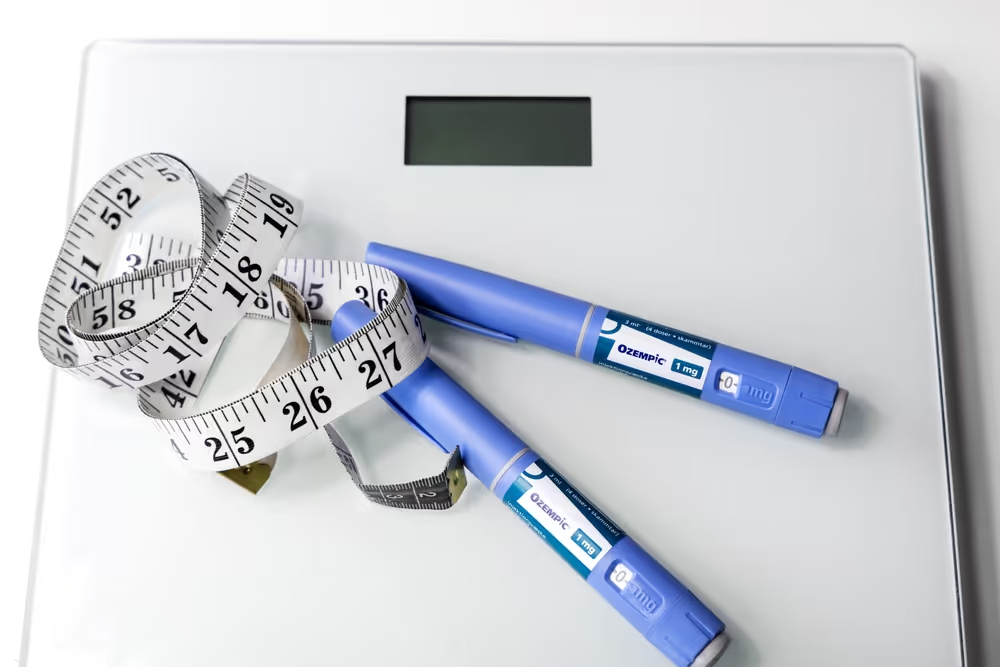
Quick Answer: You can safely stay on Ozempic for weight loss as long as it remains effective, well-tolerated and monitored by your healthcare provider – typically months to years depending on your goals and side effects.
What is Ozempic, and how does it work?
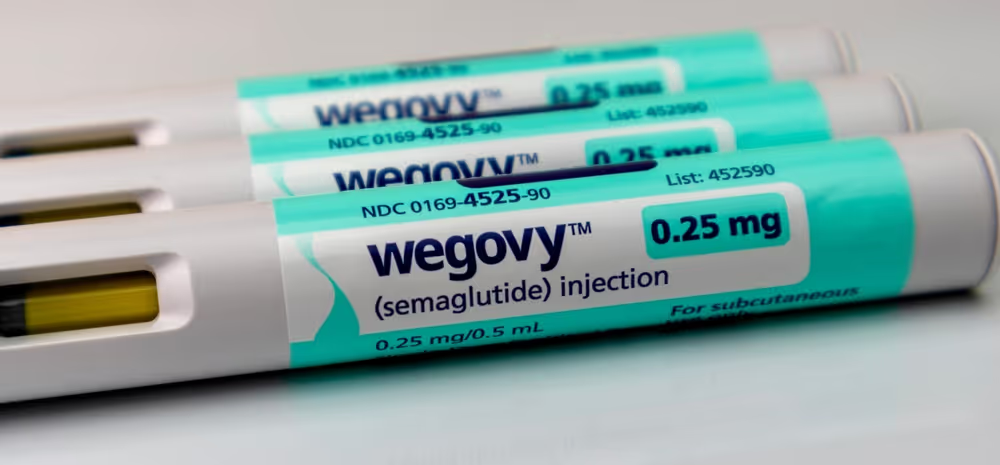
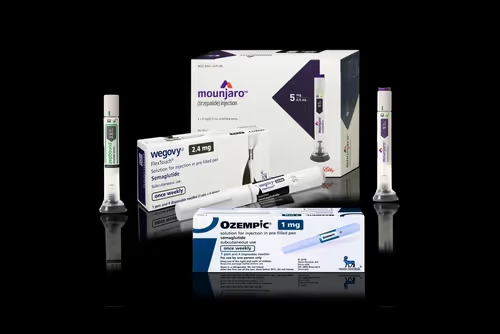
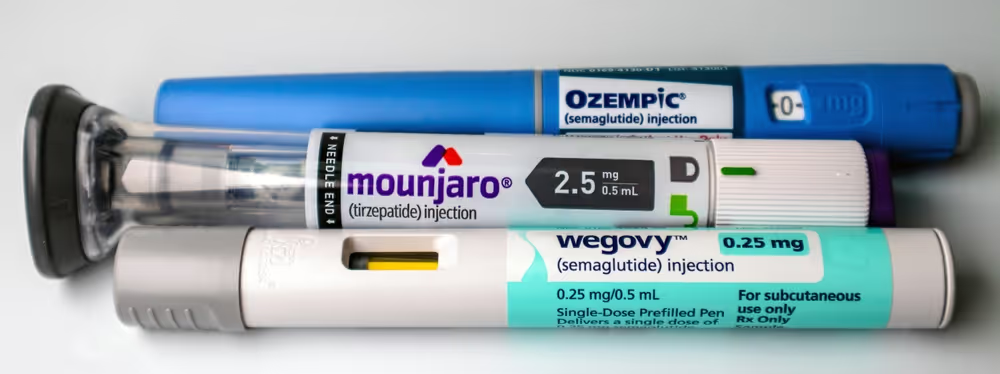
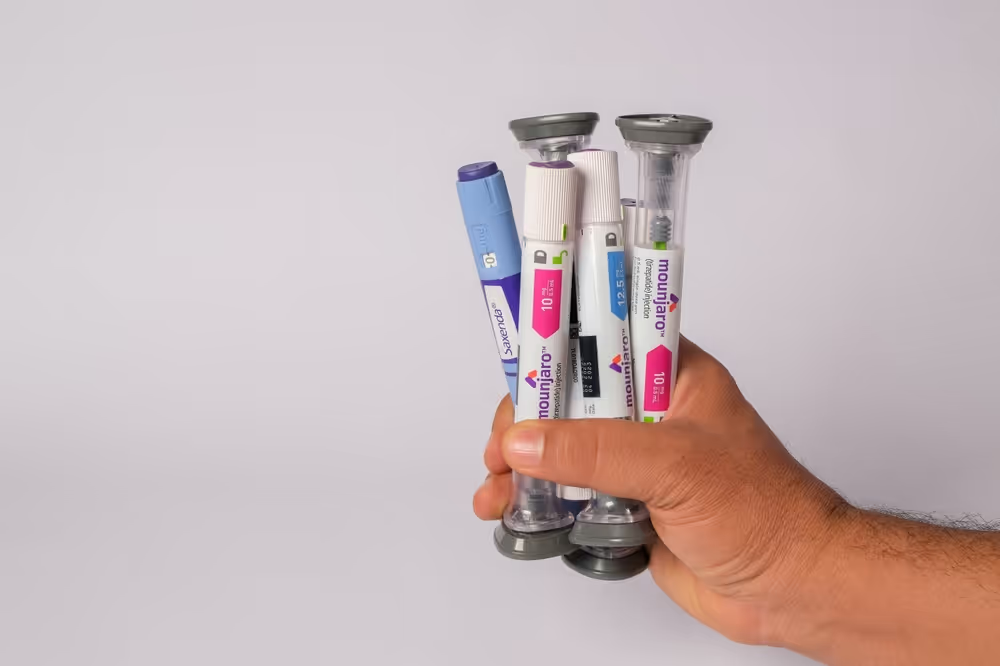
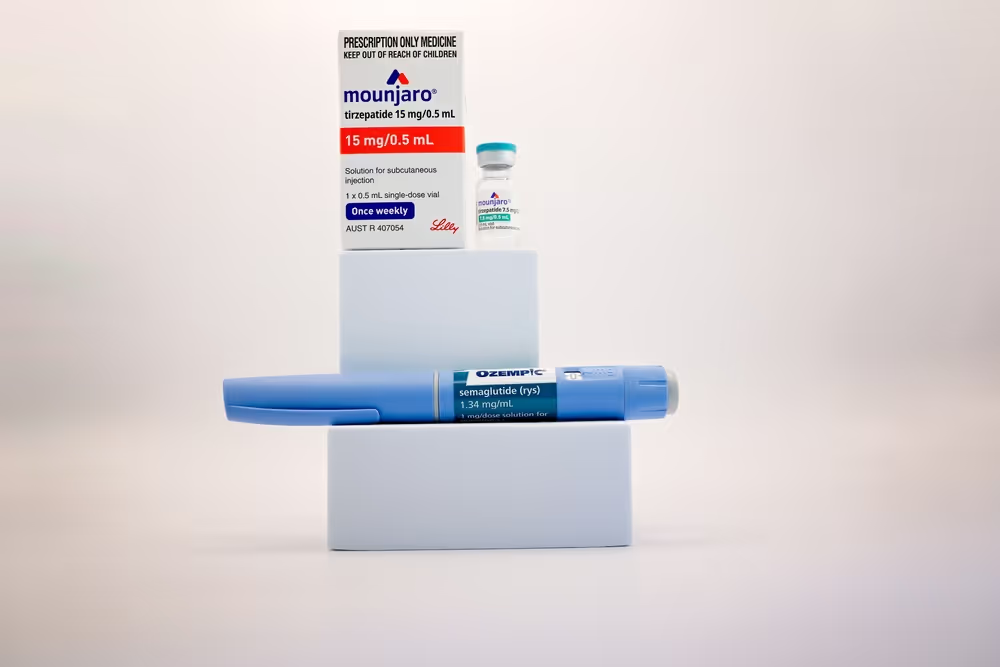
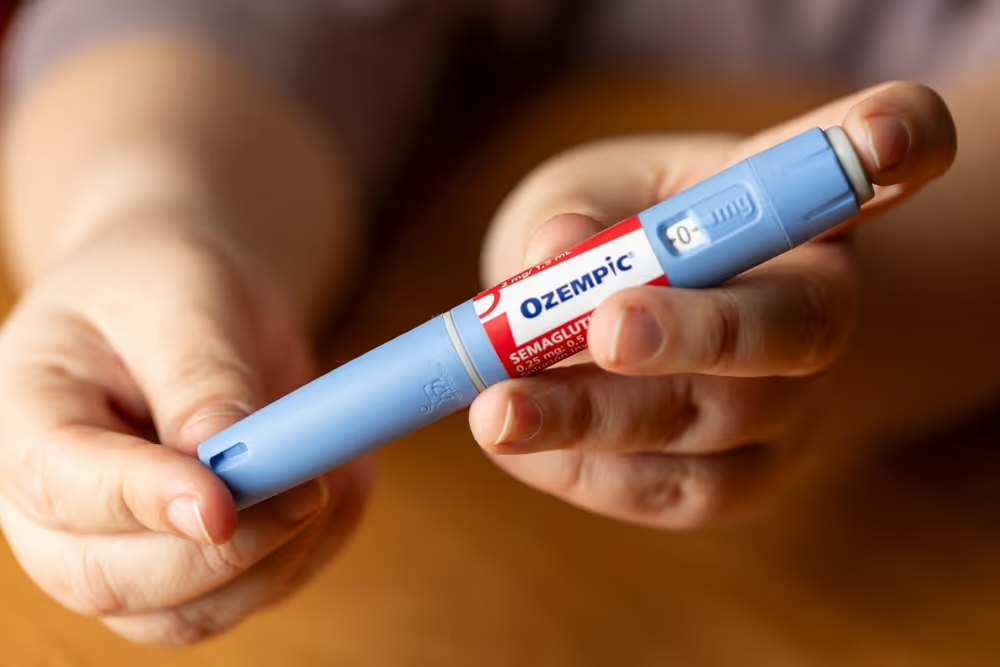
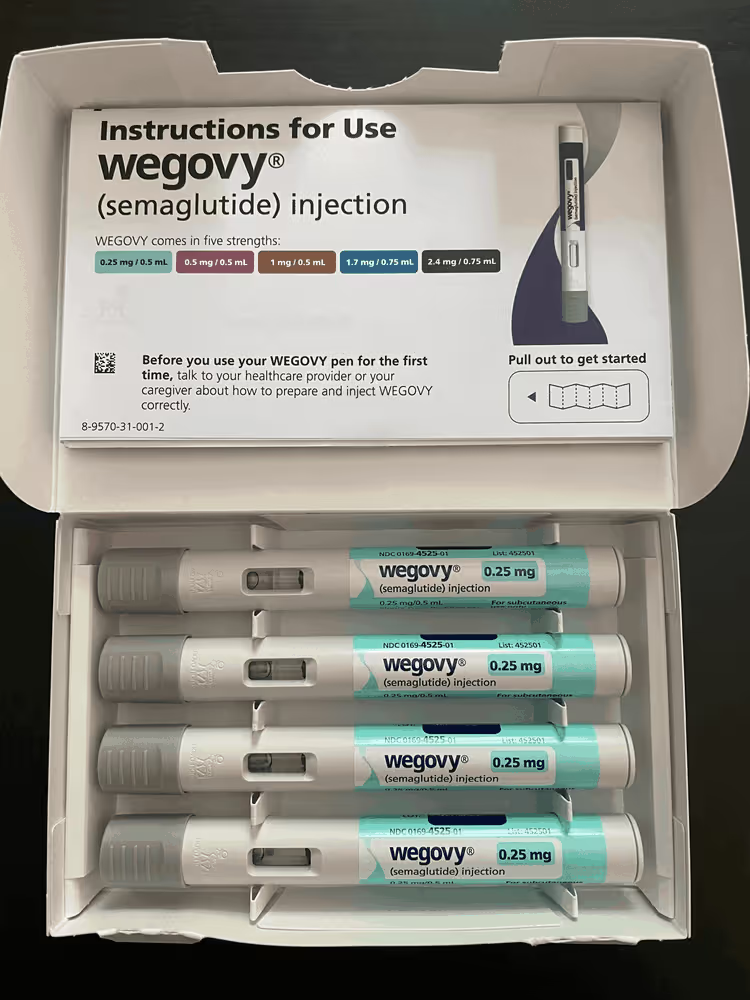
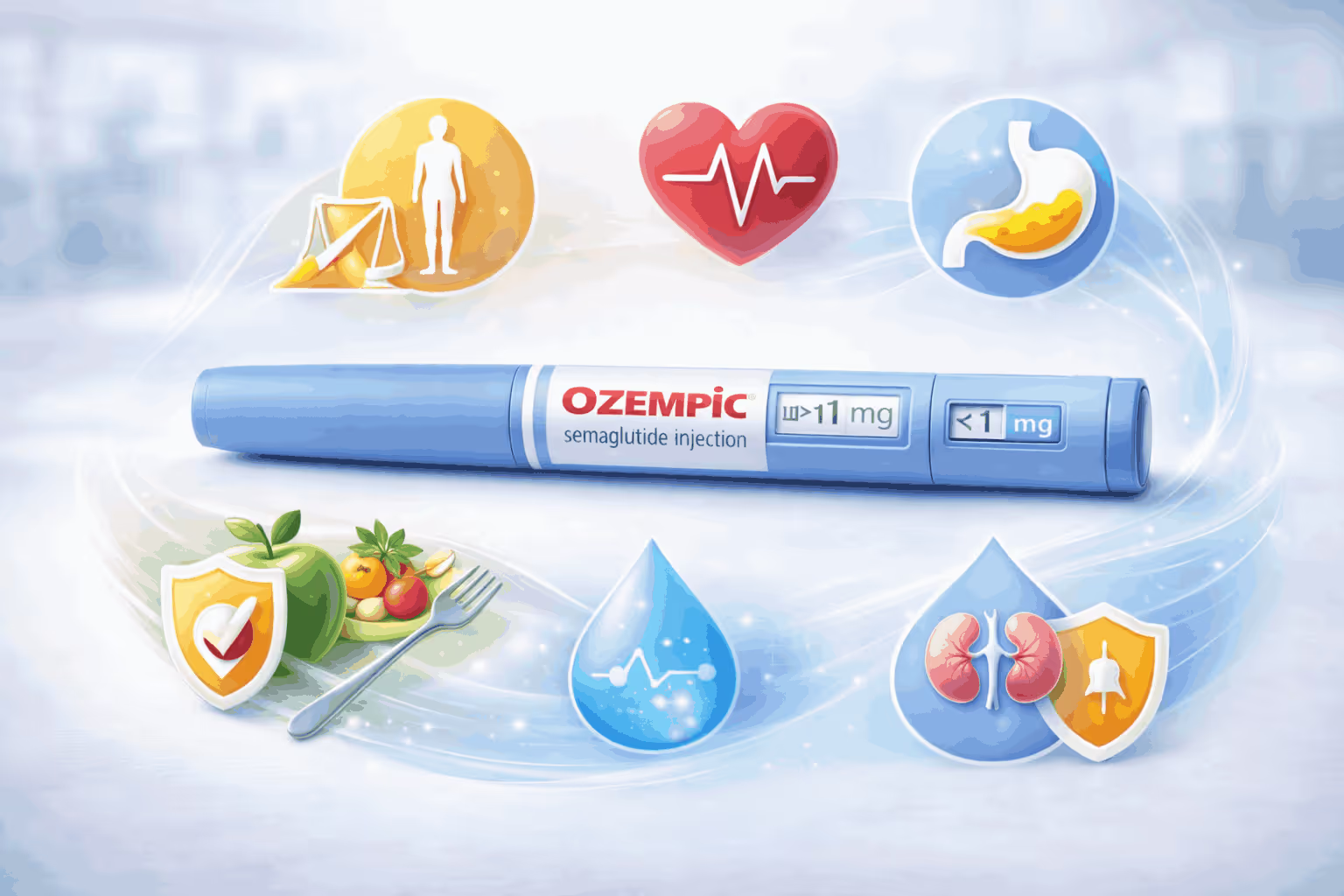
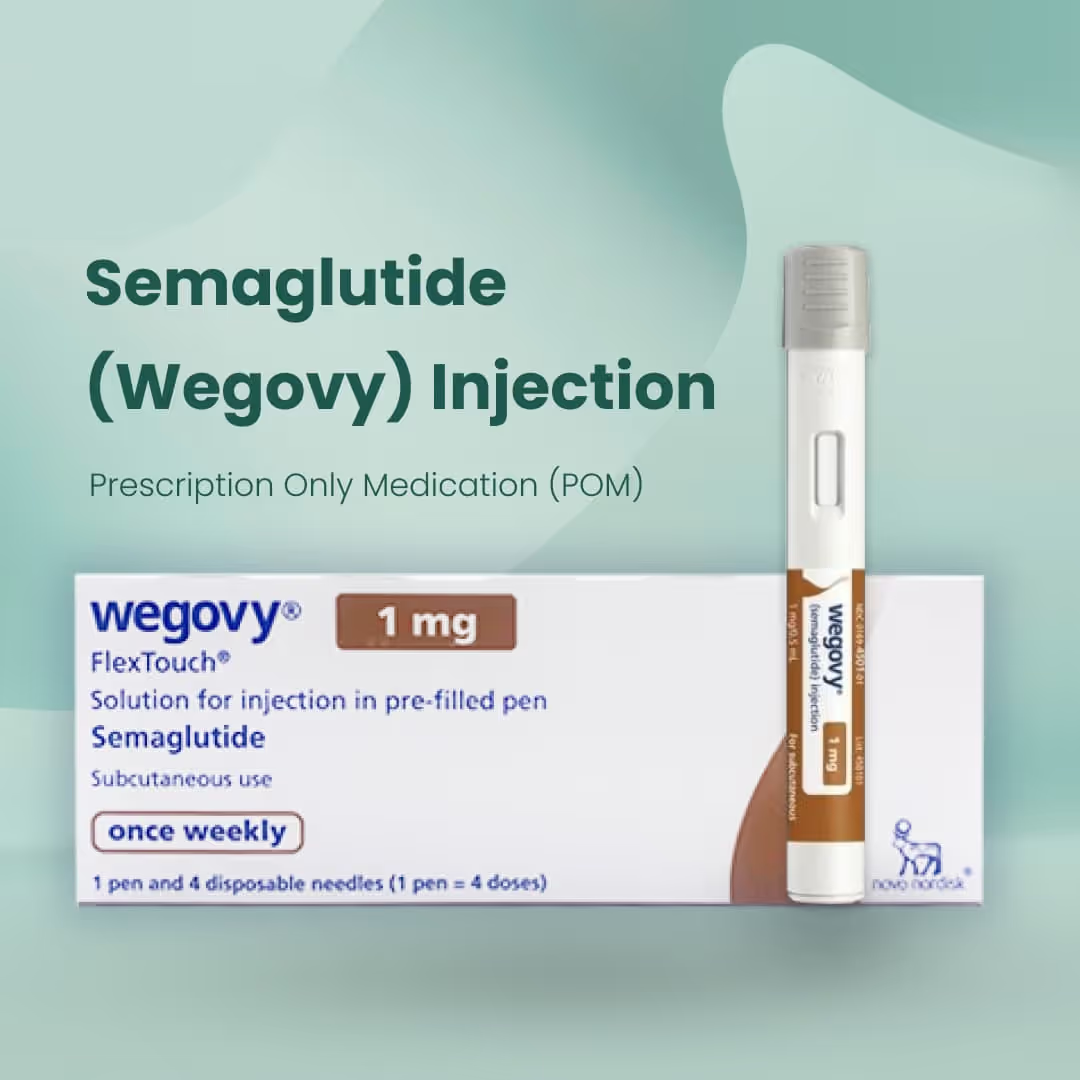
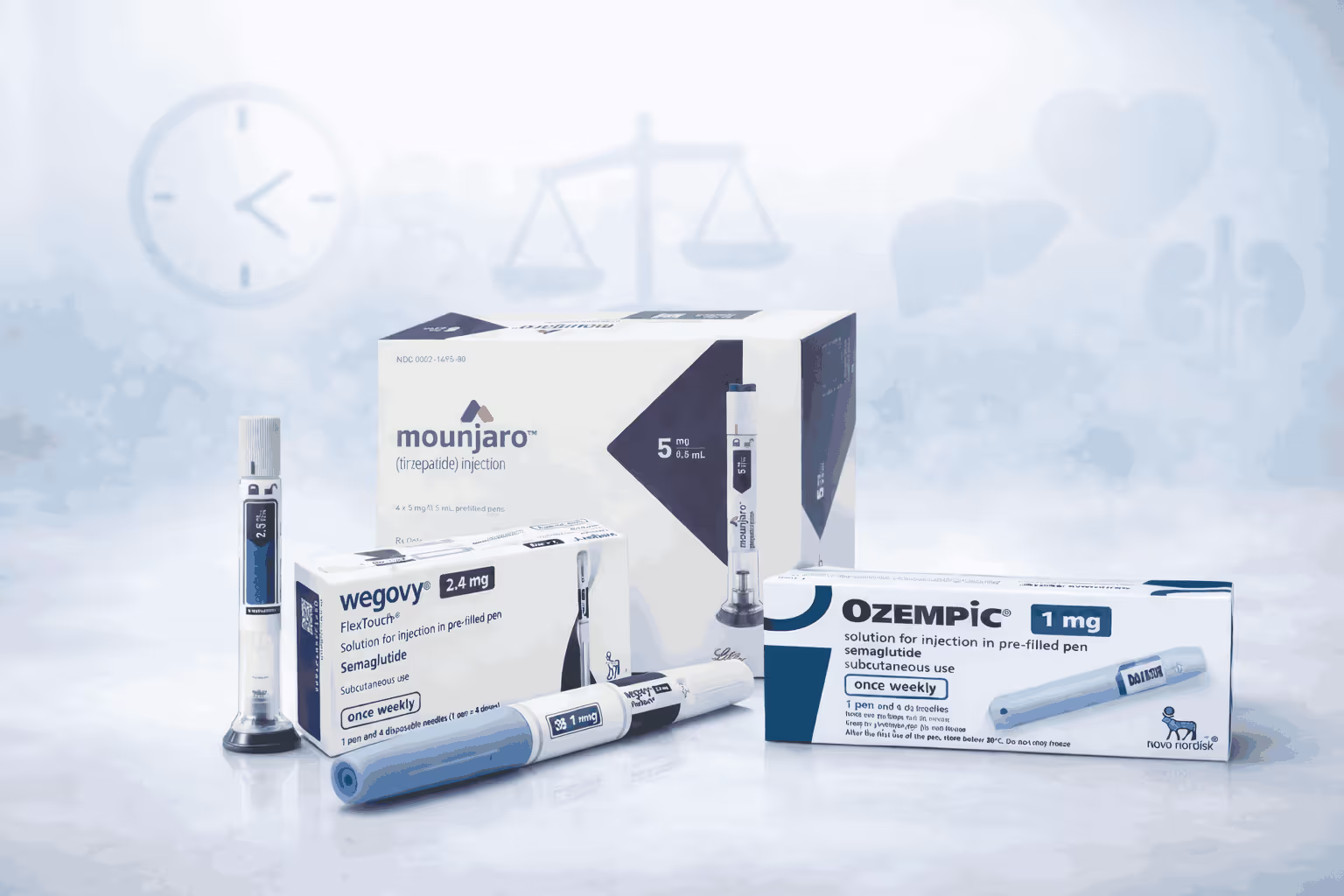
Ozempic, the brand name for semaglutide, is a prescription medication originally developed to manage type 2 diabetes. However, it quickly became widely recognised for its impressive weight loss benefits. It’s been widely prescribed ‘off-label’ for patients attempting to manage their weight more effectively, whether they have diabetes or not. Now, semaglutide is generally prescribed for obesity in the form of Wegovy.
Ozempic works by mimicking a hormone called GLP-1 (glucagon-like peptide-1), which helps regulate blood sugar levels and appetite. It slows down gastric emptying, a major part of the digestive process.
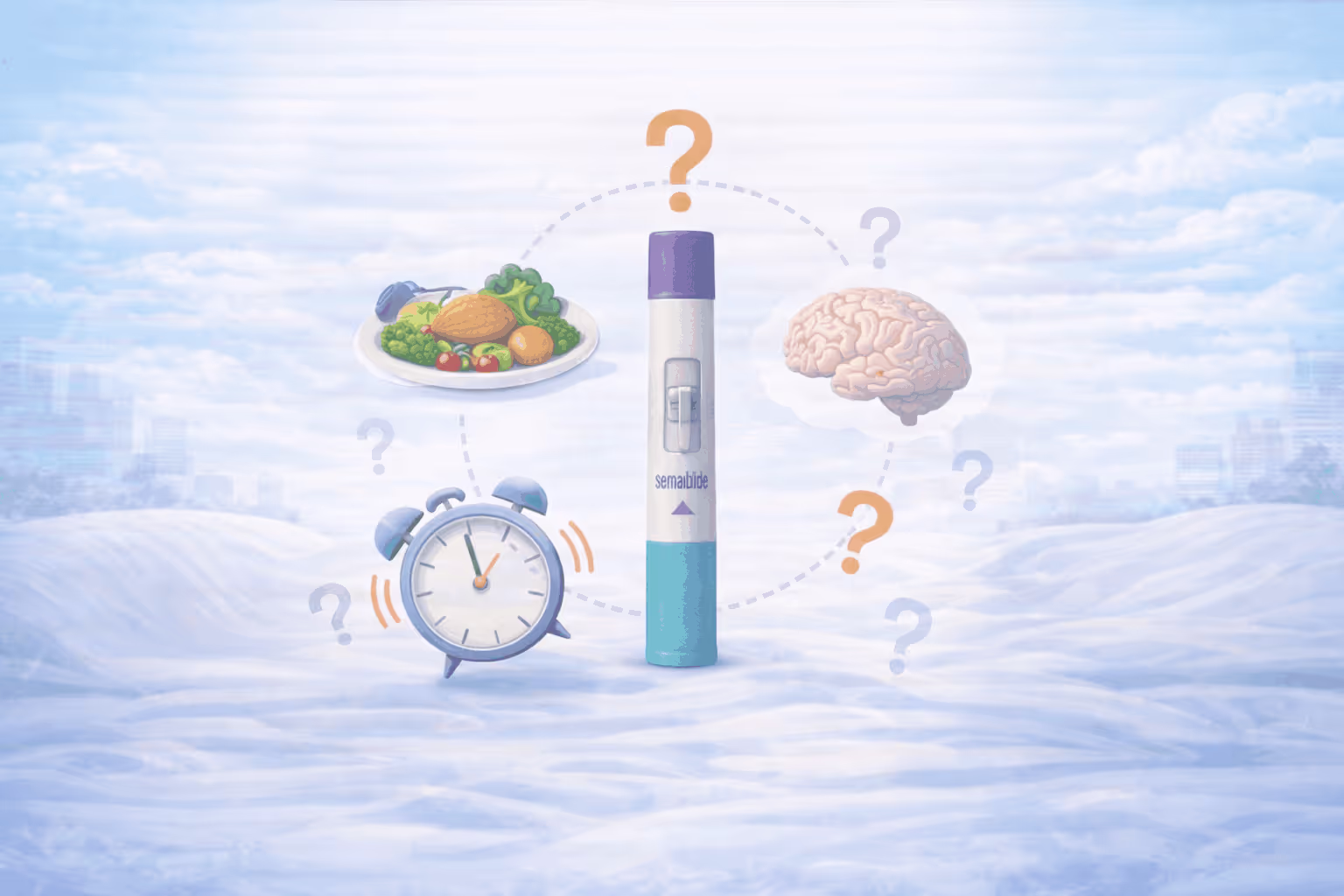
The effects of the drug and other semaglutide medications include slowing down digestion, increasing feelings of fullness and reducing cravings, making it easier for users to consume fewer calories without feeling constantly hungry. This physiological shift supports gradual, sustainable weight loss when combined with balanced nutrition and regular movement.
At its core, Ozempic acts on the brain’s appetite centres – specifically targeting the hypothalamus – to suppress hunger cues. Many users report that it helps them feel satisfied with smaller portions, making lifestyle changes feel more manageable rather than restrictive.
Is Ozempic used “off-label” for weight loss?
Yes, it is. Ozempic is approved for type 2 diabetes, but it’s often prescribed off-label for weight loss, meaning doctors can legally prescribe it to non-diabetic individuals who are overweight or obese. This off-label use skyrocketed after clinical trials showed that semaglutide could lead to significant weight loss.
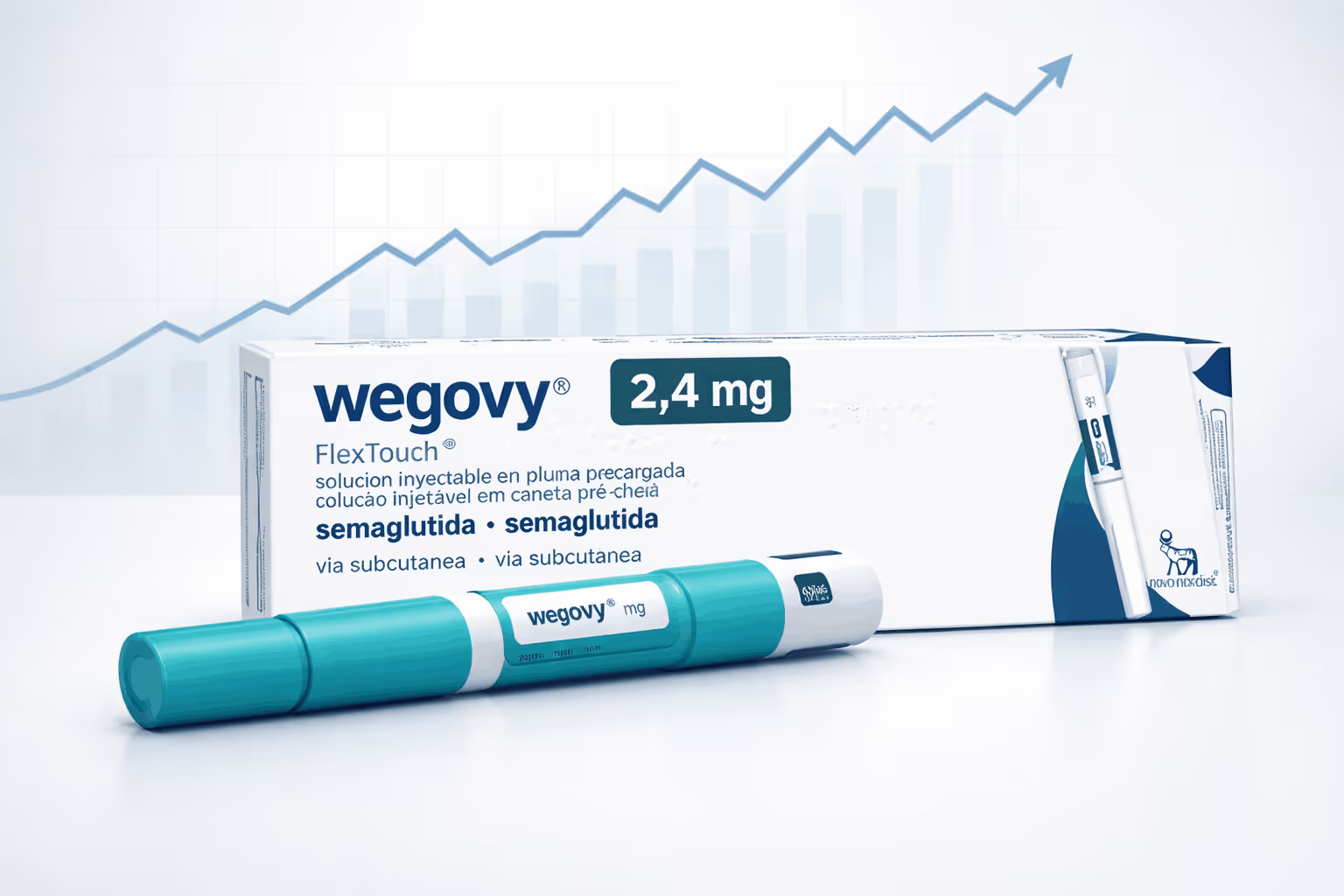
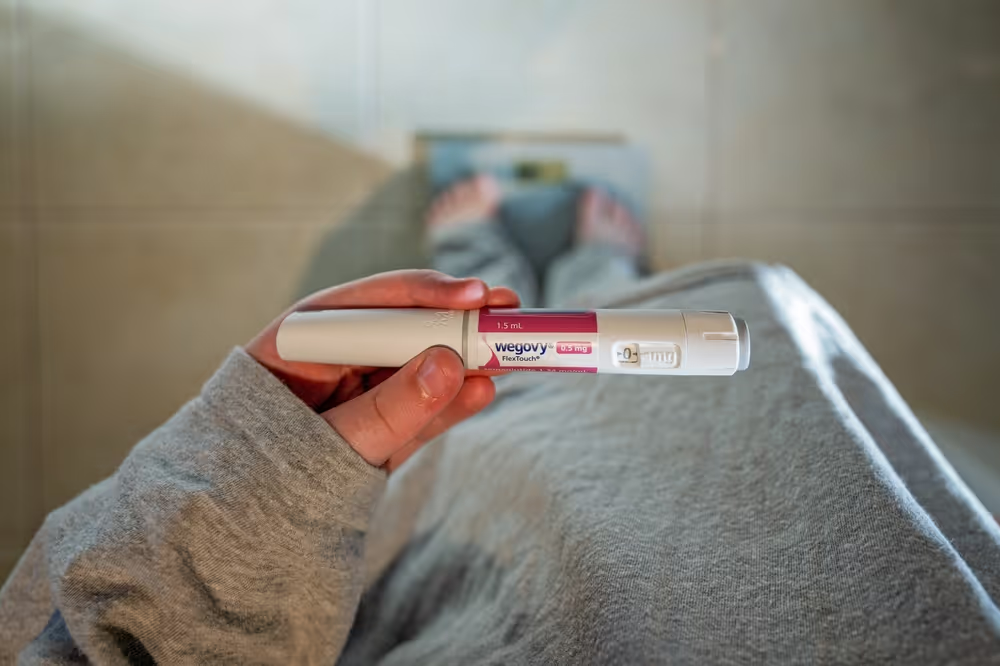
To address this demand, a higher-dose version of the same drug, called Wegovy, was later explicitly approved for chronic weight management. However, due to availability issues, cost differences, and insurance coverage gaps, many people still turn to Ozempic as a practical alternative. Ideally, you’ll be prescribed Wegovy for weight loss and Ozempic for diabetes, but there’s no danger in using one in the other’s place.
Despite its off-label use, Ozempic’s mechanism of weight loss is well documented and clinically supported. The key is medical supervision to ensure it’s used safely and effectively, as part of a holistic health plan.
What is the recommended duration for using Ozempic?
The length of time you can safely stay on Ozempic varies from person to person. Factors like your health goals, how your body responds, and whether side effects develop (and their intensity) all play a role.
Short-term use
Some people use Ozempic for a short duration, at lengths of around three to six months. This approach might be recommended if your goal is to lose a moderate amount of weight or to jumpstart healthier habits going forward.
In the short term, Ozempic catalyses behaviour change. As appetite decreases and energy levels stabilise, users often find it easier to adopt long-term habits around portion control, meal timing, mindful eating, and consistent exercise.
However, it’s important to note that once the medication is stopped, hormonal and appetite responses gradually return to normal. In short-term treatment plans, the approach is designed to put people on a better path. Without consistent lifestyle practices, weight regain can occur. This is why short-term use should be seen as part of a more comprehensive health strategy rather than a standalone solution.
Long-term use
For others, long-term use, ranging from 12 months to several years, is both safe and beneficial when appropriately monitored. Studies have shown that consistent use of semaglutide leads to sustained weight loss, improved insulin sensitivity, and reduced cardiovascular risk. This is often the prescription for people with pathological eating issues, along with other, more medical complications.
Long-term use may be necessary for individuals with obesity-related conditions such as high blood pressure, fatty liver disease or insulin resistance. These chronic issues benefit from ongoing metabolic support, which Ozempic can provide.
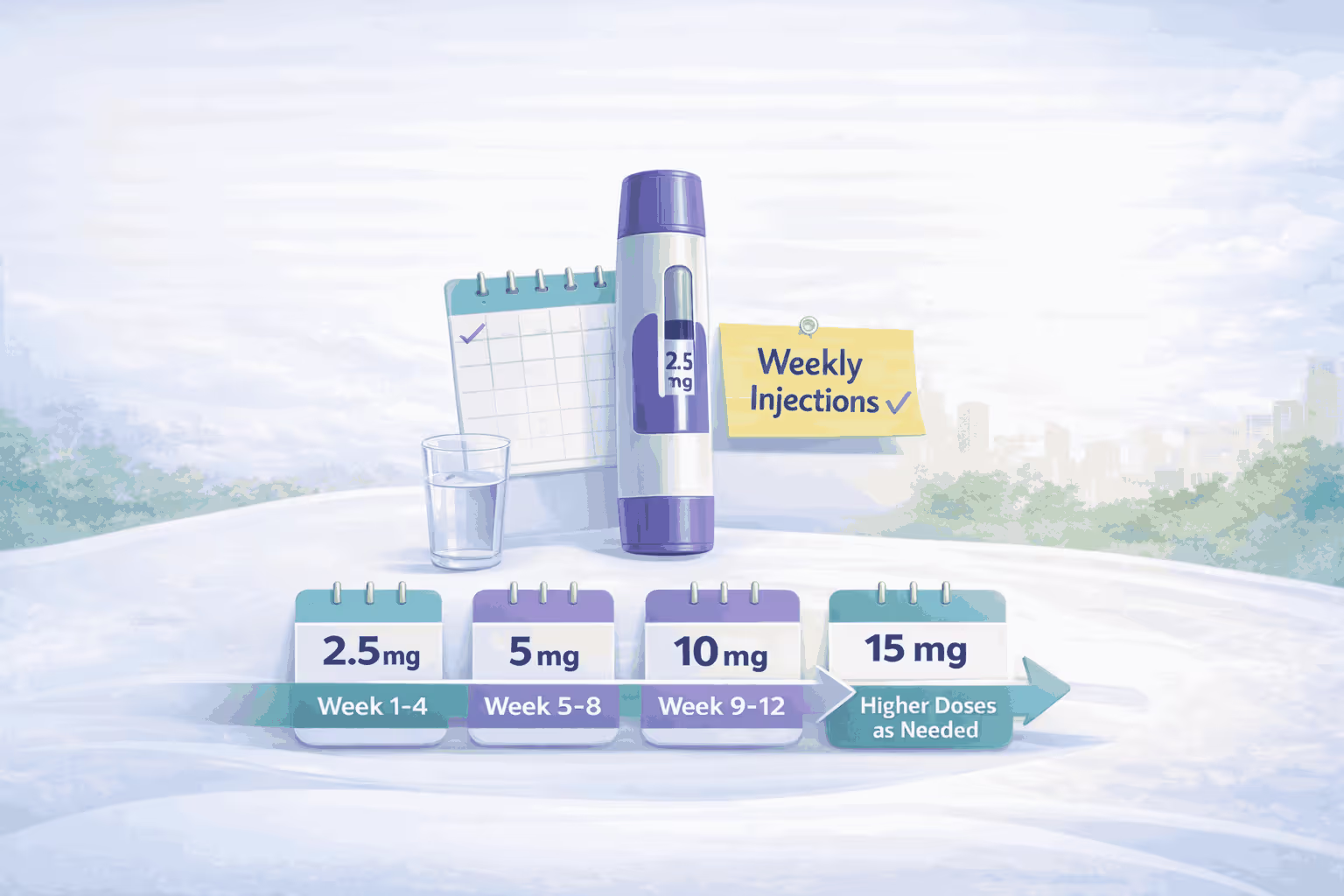
That said, your doctor will typically reassess your response every few months to determine whether continued use is appropriate. If weight plateaus or side effects develop, adjustments to the dosage or treatment strategy can be made.
Factors that influence treatment duration
Overall, there isn’t a universal limit or recommended duration. Success with Ozempic and similar drugs is about balancing effectiveness, tolerance and long-term health outcomes.
Potential risks and side effects of long-term use
Every medication comes with trade-offs, and Ozempic is no exception. Taking time to understand Ozempic side effects helps you make informed decisions about duration and dosage for your individual health needs.
Common side effects
In the early weeks of treatment, mild gastrointestinal symptoms are most common. These usually lessen as the body adapts:
- Nausea or stomach discomfort
- Bloating or constipation
- Diarrhoea
- Fatigue or mild dizziness
- Decreased appetite (which is intentional but can sometimes lead to too few calories)
Gradual dose increases, hydration and balanced meals can all help manage these effects. Most users find that symptoms fade after the first few months.
Rare but serious risks
While uncommon, long-term or high-dose use can pose more serious concerns:
- Gallbladder problems. Rapid weight loss increases the risk of gallstones.
- Pancreatitis. Inflammation of the pancreas, though rare, is a potential complication.
- Kidney strain. Particularly in individuals with pre-existing renal conditions.
- Thyroid tumours. Animal studies have shown an increased risk, but this has not been conclusively linked to humans.
It’s crucial to stay in contact with your healthcare provider throughout treatment. Regular blood tests and symptom tracking are key to catching any early warning signs.
When should you stop taking Ozempic?
There isn’t a one-size-fits-all stopping point, but there are some general guidelines.
You should consider stopping Ozempic if:
- You’ve achieved your target weight and maintained it for several months.
- You experience unmanageable side effects despite dosage adjustments.
- Your doctor recommends an alternative due to medical reasons.
- You feel confident that your new habits can sustain your results independently.
When discontinuing your treatment, it’s best to taper off gradually under medical supervision rather than stopping abruptly – medication like this isn’t something that you should play with lightly. This helps your appetite and metabolism recalibrate without sudden spikes in hunger or weight regain.
After stopping Ozempic, many people benefit from ongoing support through nutrition counselling, strength training or behavioural coaching to maintain their results naturally. Also read, What happens when you stop taking Ozempic.
Tips to maximise weight loss on Ozempic
Ozempic can deliver impressive results, but it’s not the kind of thing that you can rely on on its own. It works best when combined with consistent, sustainable lifestyle changes. Anyone using medication such as Ozempic or its alternatives must understand the kinds of changes that will help them stay on track consistently.
Lifestyle integration
Think of Ozempic as a support tool, not a replacement for healthy habits. There are plenty of simple but effective lifestyle changes that every patient should keep in mind.
- Protein-rich meals. Quality meals with plenty of good protein will preserve lean muscle mass and enhance fullness.
- Balanced carbohydrates. Focus on fibre-rich whole grains, vegetables and legumes to aid with natural, comfortable digestion.
- Hydration. Adequate water intake supports digestion and reduces nausea.
- Movement. Aim for a mix of cardio, resistance training and daily activity to boost the metabolism naturally.
Small daily actions like walking after meals or cooking balanced dinners have a compounding effect on building solid habits. The key is consistency, not perfection.
Monitoring progress
Track your progress beyond just the number on the scale.
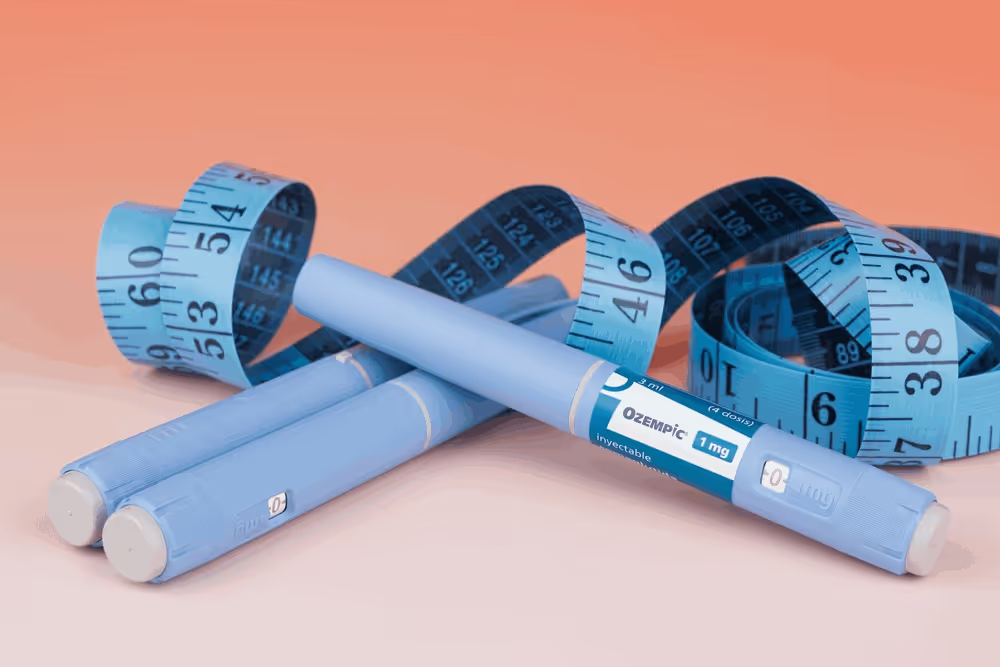
- Waist measurements and body composition
- Energy levels throughout the day
- Sleep quality and mood
- Blood sugar and cholesterol readings
Keeping a simple health journal can make patterns more visible. You’re not always going to see exactly what you want on the scales or in the mirror. For instance, you might notice that your weight plateaus during times of stress or poor sleep, but these insights can guide smarter adjustments and also help you to not feel downtrodden.
Support systems
Accountability is a major predictor of long-term success. Whether it’s a healthcare provider, a friend, or an online community, surrounding yourself with support makes it easier to stay consistent. No one has to feel like they’re going through this sort of thing alone!
Engage in regular check-ins with your clinician to review progress, adjust dosage if necessary and address any side effects early. Some people also find that combining Ozempic with behavioural therapy or nutrition coaching helps bridge the gap between medication and mindset.
Understanding weight loss with The Virtual Slimming Clinic
Ozempic is more than a quick-fix solution. It’s a powerful metabolic tool that, when used thoughtfully, can transform how you relate to food, hunger and health. While there’s no strict time limit for safe use, success lies in balancing medical guidance with sustainable habits.
For many, the best results come from long-term consistency paired with gradual lifestyle improvements. If you’re interested in learning more about Ozempic and other weight loss treatments, visit The Virtual Slimming Clinic today. We have a wide array of blogs and resources, along with our own clinical teams, so you can become fully informed before beginning a treatment plan.
Frequently Asked Questions
Can I take Ozempic indefinitely for weight loss?
In theory, yes, but only under continuous medical supervision. There’s currently no defined maximum duration, but most long-term users are monitored for side effects and dosage tolerance. Your doctor will regularly assess whether the benefits still outweigh the risks.
Is weight regain possible if I stop Ozempic?
Yes, weight regain is possible. Studies show that when people stop taking Ozempic, their appetite often returns to pre-treatment levels. However, maintaining structured habits like portion control, regular exercise, and mindful eating can help sustain your results.
Is there a maximum safe duration?
There isn’t an official time limit, mainly because the drug has only been widely circulated in the last few years, but most studies have observed patients for up to two years with good safety outcomes. Ongoing monitoring ensures that long-term use remains safe for your individual health profile.
What happens if you miss a dose?
If you miss a weekly dose, take it as soon as possible within five days. If more than five days have passed, skip the missed dose and continue with your next scheduled injection. Never double-dose, as this can increase the risk of side effects.
Can I combine Ozempic with other weight loss treatments?
Combining treatments should only be done under medical supervision. While some doctors may pair Ozempic with other medications like metformin or low-dose phentermine, doing so independently is unsafe. Non-medication approaches like resistance training, balanced nutrition, and behavioural therapy are always encouraged alongside Ozempic for the best results.






























.avif)