Does Ozempic Cause Cancer? Everything You Need to Know

Ozempic
Ozempic
Ozempic Side Effects
Weight Loss
Weight Loss Injections
Written by
Adam England
November 20, 2025
Medically Reviewed by
Mohamed Asghar
November 20, 2025
March 6, 2026
3 min read

Quick answer: Does Ozempic cause cancer? Current evidence does not show that Ozempic causes cancer in humans, but certain risks, particularly involving thyroid cancer, are still being researched.

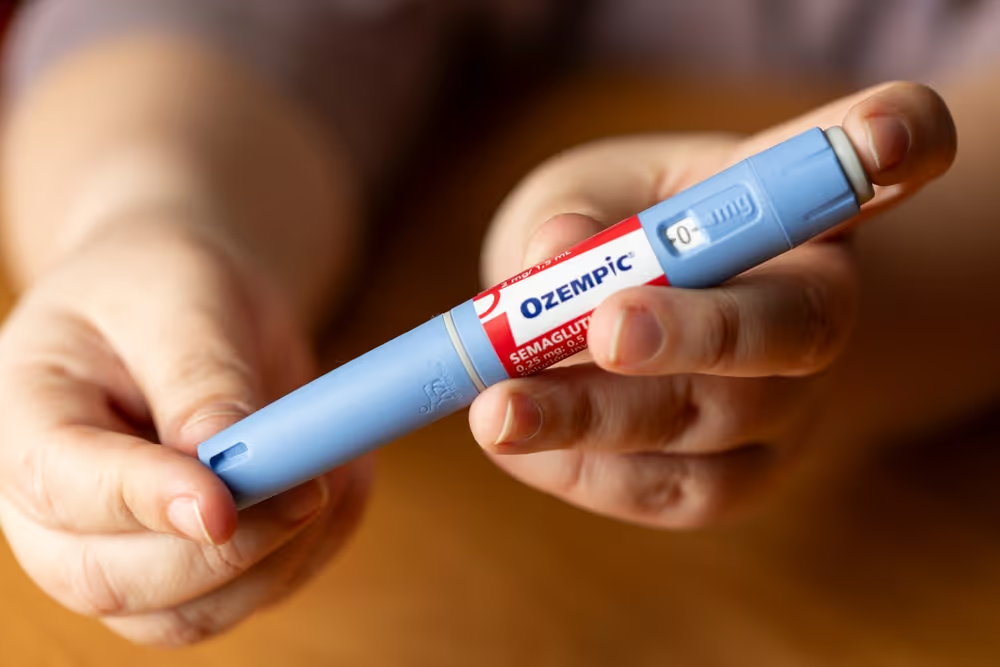
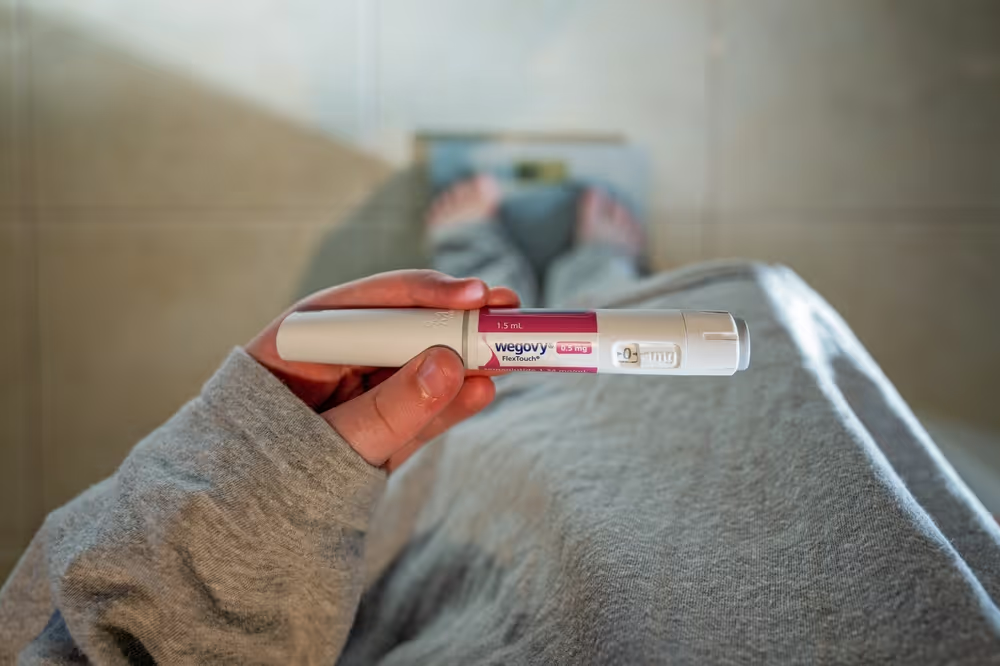
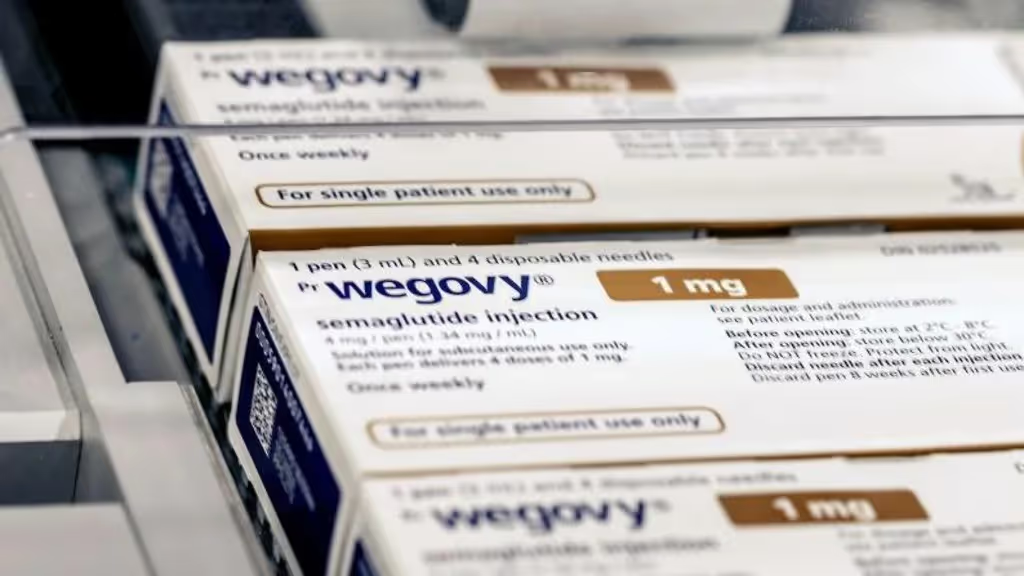
Ozempic is everywhere at the moment, from medical papers to established news websites. It’s one of the most widely discussed medications in the UK and the rest of Western society, especially for people looking to manage type 2 diabetes or support weight loss under clinical supervision. With the growing popularity of GLP-1 medications like Ozempic and Wegovy (both made from Semaglutide), concerns about potential cancer risks have naturally increased, too. It’s sensible to ask questions about long-term safety, especially if you’re using the medication consistently.

This blog breaks down the current evidence in a clear, balanced and supportive way, so you can understand what you need to know in simple English. We’ll look at what the research says, what doctors know so far, the types of cancer that have been investigated, symptoms to watch for and how to minimise risk while using Ozempic safely in the UK.

Can Ozempic cause cancer?

At present, human studies do not show a proven link between Ozempic and cancer. Regulatory bodies such as the MHRA (Medicines and Healthcare products Regulatory Agency) and NHS specialists continue to monitor data, but no direct causal evidence has been found.

However, it’s important to be aware of where the concerns have come from:

  • Animal studies have shown an increased risk of certain thyroid cancers when exposed to high doses of GLP-1 receptor agonists (the drug class Ozempic belongs to). However, these results have not been replicated in humans.
  • Some observational studies have explored links with pancreatic and thyroid cancers, but results have been mixed or inconclusive.
  • Ongoing research continues to analyse long-term effects, simply because these medications are relatively new compared to older treatments.

So while the question “Does Ozempic cause cancer?” is understandable, the evidence currently points to no confirmed risk, but there are specific areas worth observing.

Understanding the different types of cancer

Concerns around cancer and Ozempic tend to fall into a few main categories. Below is a breakdown of what each type means, what the research currently shows, and how relevant it may be to UK users.

Thyroid cancer

This is the most commonly discussed type of cancer linked to Ozempic in online conversations. The association stems largely from rodent studies, in which certain types of thyroid tumours, particularly medullary thyroid carcinoma (MTC), were observed.

However, there are several key points to understand:

  • Rodent thyroid cells respond differently to GLP-1 medications than human cells. This means the carcinogenic effect seen in animals does not reliably predict human outcomes.
  • Large human studies have not found a significant increase in thyroid cancer cases among people taking GLP-1 medications.
  • People with a personal or family history of MTC, or those with Multiple Endocrine Neoplasia type 2 (MEN2), are advised not to take Ozempic, as a precaution.

So while thyroid cancer remains the focus of most safety discussions, the real-world human evidence does not currently show a clear link.

Pancreatic cancer

Pancreatic safety concerns emerged several years ago with older diabetes medications, and some of that worry has been carried over to Ozempic.

Current UK guidance notes:

  • There is no confirmed evidence that Ozempic increases the risk of pancreatic cancer.
  • Some early studies raised questions, but more robust data sets have not supported the concern.
  • The NHS advises patients to report any unexplained, severe abdominal symptoms as a precaution, because pancreatitis (not cancer) is a possible rare side effect.

Colon and other cancers under study

Researchers have also explored potential links with cancers such as:

  • Colon cancer
  • Breast cancer
  • Skin cancers
  • Prostate cancer

So far, no consistent or convincing link has been found. In fact, some data suggest that people who successfully lose weight with GLP-1 medications may reduce their overall long-term cancer risk due to improved metabolic health and reduced weight. In fact, being overweight is one of the leading causes of cancer, which is important to consider when weighing up the risks of treatment.

Below is a simple comparison table summarising current evidence.

Key evidence summary table

Cancer type Current evidence UK guidance Level of concern
Thyroid (MTC) No proven link in humans; risk seen in rodent studies only Avoid Ozempic if personal/family history of MTC or MEN2 Moderate (precautionary)
Pancreatic No confirmed link; research ongoing Monitor severe abdominal symptoms Low–Moderate
Colon No established connection General screening applies Low
Breast No established connection No additional precautions Low
Other cancers No consistent evidence Standard clinical monitoring Low

How is Ozempic linked to thyroid cancer?

The primary concern around thyroid cancer relates to the way GLP-1 receptor agonists work. These medications act on GLP-1 receptors in the body to help regulate insulin, appetite and digestion.

In rodents, these receptors are also present on C-cells in the thyroid gland. However, in humans, C-cells have significantly fewer GLP-1 receptors, meaning the medication behaves differently.

So, why the warning?

  • The black-box-style warning included in some countries (and reflected in UK prescribing notes) is really not much more than a precautionary measure.
  • People with MEN2 or a family history of MTC may be genetically predisposed to certain thyroid tumours, which is why Ozempic is not recommended.
  • Regulatory bodies prefer to err on the side of caution until long-term human studies cover more years and more diverse populations.

Overall, the current consensus among UK endocrinologists is that the thyroid cancer risk is theoretical rather than proven.

What symptoms should you look out for?

Even though cancer risks are unconfirmed, it’s still important to be aware of symptoms, especially those relating to the thyroid. Early detection leads to significantly better outcomes for nearly all cancer types.

Here’s what to look out for.

Neck lump or swelling

A lump in the front or side of your neck is one of the most recognisable symptoms of thyroid changes. While most lumps are harmless, any persistent swelling should be checked by a GP.

Hoarseness or voice changes

Changes in your voice, especially if it becomes hoarse without an obvious explanation, could be due to several causes, including thyroid issues. Consistent changes lasting more than two weeks warrant medical assessment.

Difficulty swallowing

A feeling that food is getting stuck, or discomfort when swallowing, may indicate pressure on the throat from an enlarged thyroid.

Throat or neck pain

Pain in the neck that doesn’t improve, or radiates towards the ears or jaw, is another reason to seek medical advice. Persistent discomfort should never be ignored.

If you experience any of these symptoms while using Ozempic, contact your GP or NHS 111 for guidance. It’s important to note that none of these symptoms automatically means cancer, but they should still definitely be investigated.

How to reduce potential cancer risks

While there is no established cancer risk from Ozempic, it’s still important to approach your treatment with awareness and responsibility. Here are practical, UK-based steps to help you feel informed and supported.

Speak to your doctor regularly

Regular check-ins with your GP, diabetes nurse or prescribing clinician help ensure that your treatment remains safe and appropriate. They can:

  • Review any new symptoms
  • Talk through dosage adjustments
  • Arrange blood tests, scans, or referrals if necessary

This is especially important if you have a history of endocrine conditions.

Regular health monitoring

Monitoring your overall health gives you the best chance of detecting potential issues early. Your doctor may recommend:

  • Thyroid function tests
  • Ultrasound scans if concerns arise
  • Blood glucose and metabolic checks

You can also keep a simple symptom diary to track any notable changes.

Be aware of your family’s medical history

If cancer, particularly thyroid cancer, runs in your family, it’s important to tell your healthcare provider before starting Ozempic. Those with MEN2 or a family history of MTC should avoid Ozempic entirely.

Follow the prescribed dosage

Taking more than your prescribed dose increases the risk of side effects. NHS guidance emphasises that Ozempic must be used exactly as advised.

Sticking to your schedule also helps your body adjust gradually to the medication.

Maintain a healthy lifestyle

Weight loss medications work best when accompanied by supportive habits, such as:

  • Balanced meals focused on whole foods
  • Regular physical activity
  • Limiting alcohol intake
  • Quitting smoking

These lifestyle factors can significantly reduce the risk of many cancers, regardless of medication use.

Stay informed about ongoing research

Medical research evolves quickly. Keeping up to date with reliable UK sources, such as the NHS, Cancer Research UK, and the MHRA, ensures you receive the most accurate, unbiased information.

If new findings emerge, your prescribing clinician will update you.

Conclusion

So, does Ozempic cause cancer? The current answer is no proven link, but with an understanding that research continues, particularly around thyroid function.

For most people in the UK using Ozempic for diabetes or weight management, the safety profile remains reassuring. By staying informed, monitoring your health, and following medical guidance, you can use the medication confidently and responsibly.

If you ever feel unsure, your GP or prescribing clinician is there to support you every step of the way. For more information on Ozempic, Wegovy and other treatments, visit our website today at The Virtual Slimming Clinic. We offer everything people need to embark on a safe, informed weight loss journey!

Frequently Asked Questions (FAQs)

Is it safe to take Ozempic if I have thyroid problems?

In most cases, yes, unless you have a personal or family history of medullary thyroid carcinoma (MTC) or MEN2. If you have general thyroid issues, such as an underactive or overactive thyroid, your doctor will assess suitability on a case-by-case basis.

Should I stop taking Ozempic if I notice neck swelling?

Do not stop suddenly unless instructed. Contact your GP immediately and report your symptoms. They may arrange tests or advise pausing your medication while investigations take place.

Is Ozempic safe for long-term use?

Current evidence suggests that Ozempic is safe for long-term use when taken under medical supervision. The NHS and MHRA continue to monitor ongoing data, but so far, long-term risks remain low and manageable.

Who should not use Ozempic because of cancer risk?

You should avoid Ozempic if you:

  • Have MEN2
  • Have a personal or family history of MTC
  • Are you experiencing unexplained neck or throat symptoms that should be assessed first

Can Ozempic lower cancer risk by aiding weight loss?

Potentially, yes. Losing excess weight can reduce the risk of several cancers, including breast, uterine and bowel cancers. While Ozempic itself doesn’t directly reduce cancer risk, its weight-loss benefits may contribute to overall risk reduction.


Other Articles

2 min read
Side Effects of Weight Loss Injections: What You Need to Know
Weight loss injections: Do the benefits outweigh the risks? Find out about common side effects, serious concerns, and who should avoid these medications..
2 min read
Double Win? Research Links Weight Loss Medication to Improved Sleep Apnea
According to a recent Guardian article, a weight loss drug appears effective in alleviating sleep apnea in obese patients...
2 min read
How to Maximise the Effectiveness of ED Medications?
Erectile dysfunction (ED) medications have revolutionised how men approach intimacy...
2 min read
What is Obesity: Everything You Need to Know
Obesity has become a significant public health concern in the UK, impacting millions of adults and children...
2 min read
Does Obesity Cause Hair Loss?
Hair loss can be a stressful experience, and while genetics often play a starring role, other lifestyle factors can influence your crowning glory...
5 min read
A Sustainable Weight Loss Diet Plan for Healthy Results
A diet plan for weight loss doesn’t have to mean making strict restrictions or cutting out entire food groups...
4 min read
The Best Weight Loss Pills on The Market
There are countless different ways that people try to speed up and support the process of losing weight...
2 min read
The Side Effects of Ozempic You Should Be Aware Of
Ozempic has become one of the most widely discussed treatments in the field of weight management, with dedicated news pages from major outlets and institutions...
2 min read
Common Mounjaro Side Effects You Should Know About
The drug is designed to stimulate insulin release (for type-2 diabetics), along with supporting a longer-lasting full feeling in the stomach...
2 min read
Weight Loss Pills vs Injections – Which Works Best for You?
Prescription weight loss treatment is more common now than ever before, which is a massive step in the right direction in handling the obesity epidemic...
2 min read
How Does Ozempic Work? The Ultimate Breakdown
This blog will explore the mechanics of Ozempic, along with highlighting how it stacks up in today’s landscape of weight loss injections.
2 min read
How Does Mounjaro Work? Your Essential Introduction
The battle against your own body and mind can feel crushing, with attempts to get healthier the “traditional way” often feeling like a full-time job...
6 min read
How Does Wegovy Work? Everything You Need to Know
If you’ve been struggling with your weight for a while, you know it can feel impossible at times. You try a plan, it fizzles and bang, you’re back to square one...
2 min read
Switching from Mounjaro to Wegovy: What You Need to Know
Mounjaro and Wegovy are powerful injectables used to manage obesity and type 2 diabetes, though they have different mechanisms and titration plans...
10 min read
What to Eat on Mounjaro: The Ultimate Diet Plan for Faster Weight Loss
If you’re planning on using Mounjaro to lose weight, you can expect it to change the way you eat naturally...
2 min read
How to Switch from Mounjaro to Wegovy Safely
Mounjaro and Wegovy are effective weight loss medications that have a similar mechanism of action...
10 min read
What to Eat on Wegovy for Maximum Weight Loss Results in 2025
Starting Wegovy is an opportunity to reset your approach to planning, shopping, cooking, and eating...
5 Effective Strategies to Boost Weight Loss with Wegovy
If you’re taking Wegovy, you’re probably looking to maximise weight loss results in a realistic, safe and sustainable fashion...
2 min read
Are Weight Loss Injections Safe?
Choosing a path to better health is rarely a straight line – it’s a journey. For some, coaching and kitchen habits are enough...
5 min read
Mounjaro vs Wegovy: Which Injection is Best for Weight Loss?
You’re not imagining it – more people than ever are asking about weight loss injections and wondering which option is the more brilliant first move...
2 min read
Diet Hacks That Maximise Weight Loss When Using GLP-1 Medications
GLP-1 medications, such as Mounjaro (tirzepatide) and Wegovy (semaglutide), are becoming increasingly popular as weight-loss treatments...
6 min read
How Long Can You Safely Stay on Ozempic for Weight Loss?
You can safely stay on Ozempic for weight loss as long as it remains effective, well-tolerated and monitored by your healthcare provider...
2 min read
The Cost of Essentials: How Much Does Wegovy Actually Cost in the UK?
To help them lose weight, some people living with obesity use GLP-1 medications like Wegovy and Mounjaro...
2 min read
Unexpected Side Effects Patients are Reporting on Mounjaro – What to Know
The introduction of GLP-1 drugs has turned the weight loss industry into big business...
4 min read
Does Ozempic Cause Hair Loss?
While Ozempic (semaglutide) isn’t directly linked to causing hair loss, some people taking it may notice increased shedding or thinning...
2 min read
7‑Day Transition Plan Moving from Mounjaro to Wegovy
Switching from one GLP-1 medication to another can feel overwhelming...
4 min read
Does Wegovy Need to Be Refrigerated?
Wegovy must be refrigerated between 2°C and 8°C to maintain its strength and stability...
2 min read
Can You Drink Alcohol on Ozempic? What You Should Know
You can drink alcohol while taking Ozempic, but it’s important to do so in moderation and with care...
4 min read
What Happens When You Stop Taking Ozempic: Effects and Considerations
When you stop taking Ozempic, your blood sugar and appetite can increase, leading to potential weight regain and metabolic changes...
4 min read
Top 10 Ozempic Benefits | Everything You Need to Know
Ozempic offers a range of benefits, including weight loss support, improved blood sugar control, and reduced heart disease risk...
4 min read
What Happens When You Stop Taking Wegovy? Risks and Safety Tips
When you stop taking Wegovy, your appetite typically increases, weight regain becomes more likely...
4 min read
How and Where to Inject Ozempic | A Complete Guide
The best place to inject Ozempic is into the fatty tissue of your abdomen, thigh, or upper arm, rotating sites...
4 min read
Where and How to Inject Mounjaro: Step-by-Step Guide
The easiest places to inject Mounjaro are the abdomen, thigh, or upper arm, and rotating sites...
4 min read
Where and How to Inject Wegovy: A Complete Step-by-Step Guide
Wegovy should be injected once weekly into the abdomen, thigh or upper arm, avoiding the navel area...
4 min read
Is Ozempic Insulin? Key Differences Explained
Ozempic is not insulin. Ozempic is a GLP‑1 receptor agonist that helps your body release insulin naturally...
3 min read
Does Mounjaro Cause Diarrhoea? What You Need to Know
Mounjaro can cause diarrhoea, and it is one of the more common gastrointestinal side effects experienced...
3 min read
Does Ozempic Cause Cancer? Everything You Need to Know
Does Ozempic cause cancer? Current evidence does not show that Ozempic causes cancer in humans...
4 min read
What Are GLP-1 Medications: Everything You Need to Know
What are GLP-1 medications? They are prescription treatments that mimic a natural hormone in your body...
4 min read
What Medicines Can You Not Take with Mounjaro: Complete Safety Guide
“What medicines can you not take with Mounjaro?” comes down to anything that increases...
6 min read
Wegovy Doses Chart for Weight Loss
The Wegovy doses chart for weight loss shows a carefully structured, week-by-week escalation...
8 min read
How Long Does It Really Take for Semaglutide to Suppress Appetite?
Semaglutide appetite suppression typically begins within 1–2 weeks, but the full effect develops gradually...
8 min read
Does Mounjaro Need to Be Refrigerated?
Mounjaro should be kept refrigerated at 2°C to 8°C (36°F to 46°F). However, unopened pens...
10 min read
Semaglutide and Diarrhoea | Causes, Symptoms, and How to Manage
Semaglutide diarrhoea is a common but usually temporary side effect caused by changes in digestion...
6 min read
Best Place to Inject Mounjaro for Weight Loss
The best place to inject Mounjaro for weight loss is any of the three approved sites, being the abdomen, thigh, or upper arm..
1 min read
Weight-Loss Pills Are Here: What Novo Nordisk’s Daily GLP-1 Tablet Really Means for Patients
The recent approval of a daily GLP-1 weight-loss pill by Novo Nordisk has generated widespread attention...
2 min read
What We Know So Far About Long-Term Effects of Semaglutide and Tirzepatide
If you’re thinking of using semaglutide (Wegovy) or tirzepatide (Mounjaro) to help aid your weight loss...
6 min read
Mounjaro Dosing Schedule Guide for Weight Loss
The Mounjaro dosing schedule for weight loss begins at 2.5 mg once weekly and increases gradually...
The Best Time Of Day To Take Mounjaro For Weight Loss
he best time of day to take Mounjaro for weight loss depends on your routine and side-effect tolerance...
3 min read
How Much Weight Can You Lose in a Month with Mounjaro?
How much weight can you lose in a month with Mounjaro depends on dose, lifestyle and individual biology...
5 min read
Does Mounjaro Cause Depression or Anxiety?
Does Mounjaro cause depression or anxiety? For some people, Mounjaro may be associated...
5 min read
What Happens When You Stop Taking Mounjaro | Risks and Safety Tips
What happens when you stop taking Mounjaro depends on your body, dosage, and lifestyle...
5 min read
Does Wegovy Make You Tired? Everything You Need to Know
Wegovy can make you feel tired, particularly during the early stages of treatment, as your body...
4 min read
Why Am I Still Hungry on Semaglutide and How to Manage It?
f you’re still hungry on semaglutide, it’s usually due to dosage timing, nutrition balance, lifestyle...
2 min read
Top 10 Mounjaro Benefits | Everything You Need to Know
The top 10 Mounjaro benefits include powerful appetite suppression, clinically significant and...
2 min read
Wegovy and Periods | What You Need to Know
Wegovy and periods can be connected because changes in weight, appetite, and energy balance may influence menstrual cycles...
2 min read
Understanding the Difference Between Retatrutide and Semaglutide
Weight-loss medications have moved from fringe conversations to mainstream healthcare discussions in a remarkably short space of time...
3 min to read
Can Mounjaro Cause Dizziness? Essential Guide
Mounjaro has become one of the world’s most widely discussed medications, known for making significant waves...
3 min read
Difference Between Weight Loss and Fat Loss: What You Need to Know
The difference between weight loss and fat loss is that weight loss refers to a reduction in overall body weight...

Be The First To See Results And Updates

Subscribe For a Newsletter
Get clinical insights, expert guidance, and real
transformation stories — straight to your inbox.
Thank you! Your submission has been received!
Oops! Something went wrong while submitting the form.