
.avif)

Quick answer: Yes, Mounjaro can cause diarrhoea, and it is one of the more common gastrointestinal side effects experienced by some users. However, there are effective ways to manage it safely.
What Is Mounjaro?
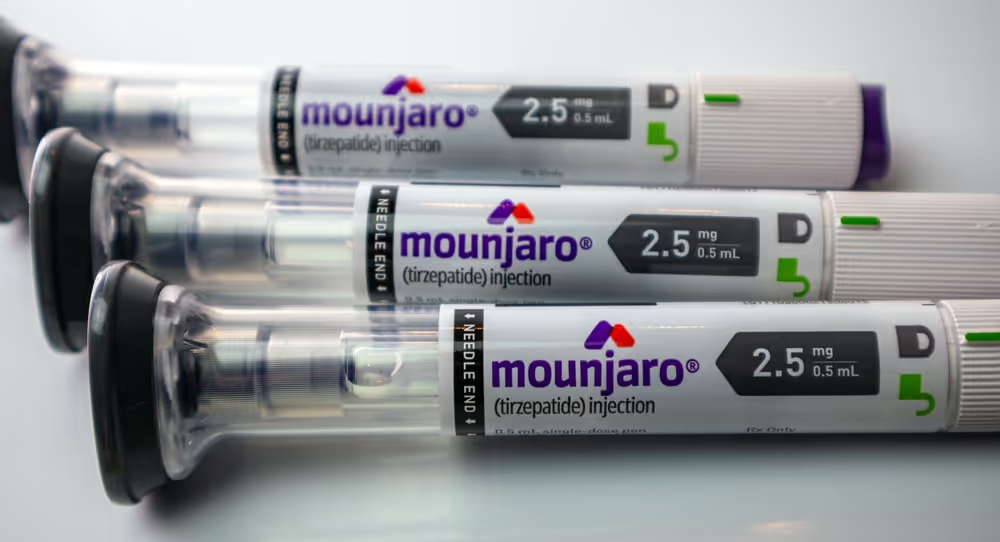
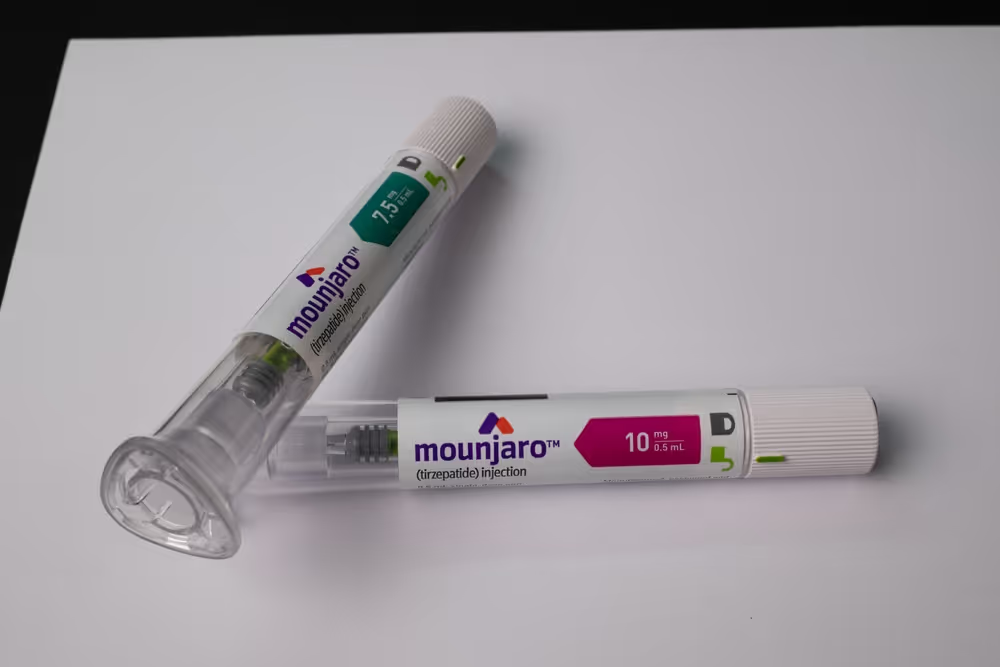
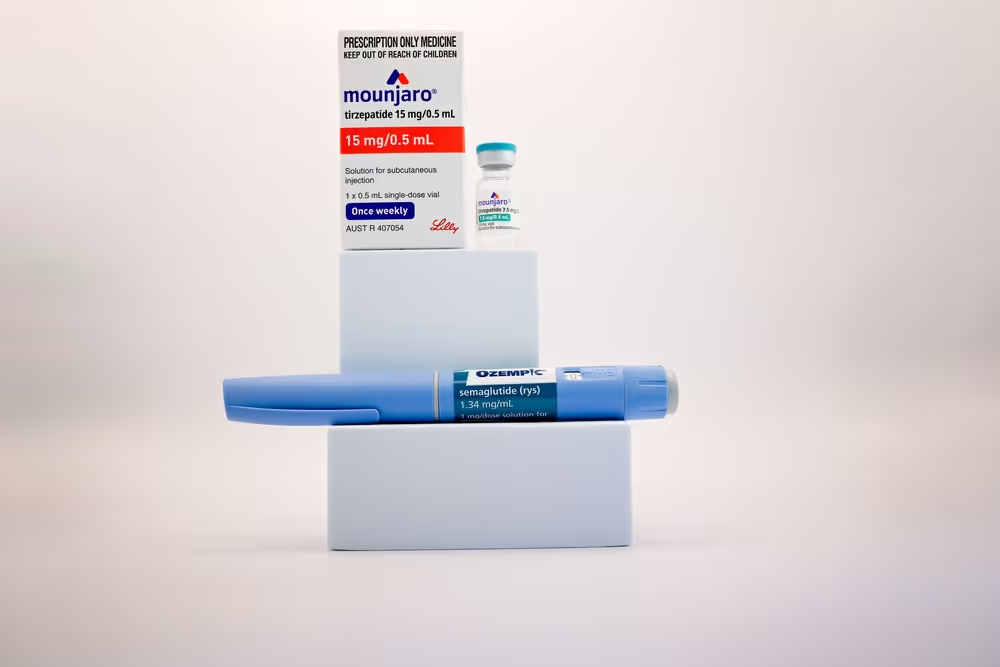
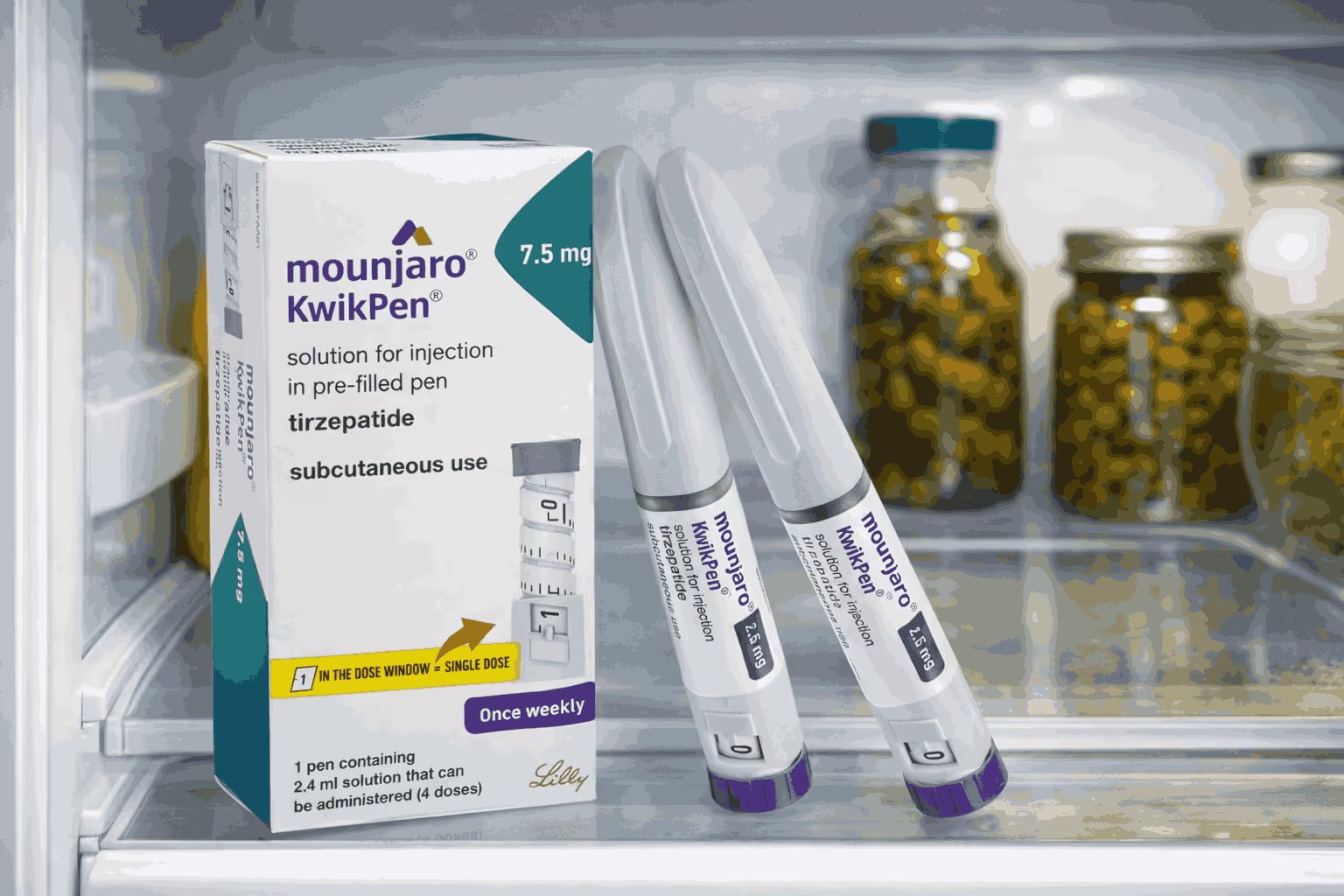
Mounjaro (tirzepatide) is a once-weekly injectable medication designed to support adults living with obesity or weight-related medical conditions. It works by activating two natural hormones in the body: GLP-1 and GIP. These hormones help regulate appetite, digestion, and blood sugar. In the UK, Mounjaro is prescribed as part of a structured weight-management plan, including dietary changes, increased physical activity and regular clinical reviews.
Can Mounjaro cause diarrhoea?
Diarrhoea is one of the most frequently reported gastrointestinal side effects of Mounjaro. Not everyone will experience it, but it is common enough that healthcare professionals advise preparing for changes in bowel habits when starting treatment.
Most cases are mild and temporary, often improving as the body adapts to the medication. However, symptoms can persist or worsen, especially after a dosage increase.
Why does Mounjaro cause diarrhoea?
Mounjaro influences several digestive processes, which can contribute to changes in bowel movements. Understanding why this happens makes it easier to manage the symptoms.
Hormonal effects
Mounjaro mimics gut hormones that impact appetite and digestion. These hormones can temporarily increase intestinal activity, meaning food and fluid move more quickly through the digestive tract. Faster transit time can result in diarrhoea.
Slower gastric emptying
One benefit of Mounjaro is that it slows stomach emptying. While this helps reduce hunger and manage blood sugar levels, it can also cause gastrointestinal side effects such as diarrhoea, constipation, bloating or nausea.
Dietary & fluid factors
Eating less or switching to unfamiliar foods can disrupt digestion in the short term. Additionally, dehydration, common during the early adjustment phase, can worsen or make diarrhoea more frequent.
Changes in gut bacteria
Some early research suggests that GLP-1 and GIP agonists may subtly alter the gut microbiome. These changes are not harmful but can temporarily disturb digestion and cause diarrhoea in some individuals.
How to reduce the risk of diarrhoea
There are several steps you can take to reduce the likelihood of diarrhoea or manage it if it does occur.
Eat smaller, lighter meals
Large meals can overwhelm the digestive system when you’re on Mounjaro. Eating smaller portions more frequently can significantly reduce digestive discomfort.
Avoid greasy or spicy foods
These foods are known to irritate the gut, and your digestive system may become more sensitive during the early weeks of treatment. Opt for low-fat, mild dishes to support gut stability.
Stay hydrated
Hydration becomes even more critical when taking medications that impact digestion. Diarrhoea can lead to fluid and electrolyte loss, increasing the risk of dehydration.
Avoid coffee and alcohol
Both can irritate the gut lining and speed up digestion. Reducing intake, especially during the first few weeks, can help prevent or ease diarrhoea.
Try an over-the-counter (OTC) medication
For occasional diarrhoea, OTC medicines such as loperamide may help. Always follow UK guidelines by speaking with a pharmacist or GP before using these products alongside prescription medication.
Additional insights | Supporting your digestive health on Mounjaro
Understanding how to maintain digestive comfort while using Mounjaro is essential, especially as your body adjusts to treatment. Diarrhoea may be common, but there are many practical, evidence-informed steps you can take in your everyday life to support your gut throughout your weight‑loss journey.
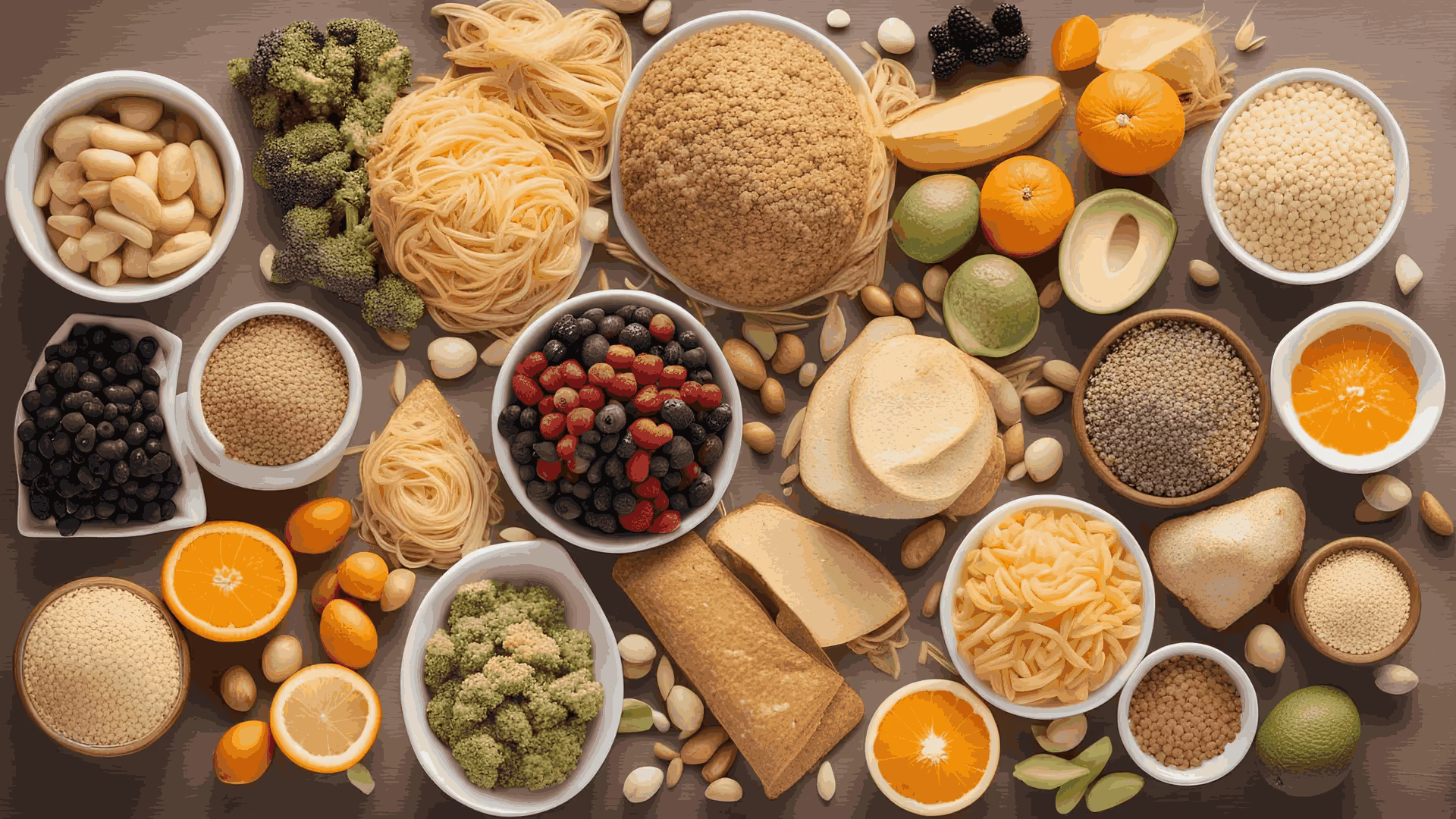
How your diet influences digestive side effects
Your digestive system becomes more sensitive when you begin GLP‑1 and GIP‑based treatments. Even foods you previously tolerated without issue may suddenly feel “too heavy” or trigger loose stools. This doesn’t mean you must avoid all your usual favourites, but rather that you should take the time to pay closer attention to how different meals affect you.
Here are a few additional diet‑support strategies:
- Introduce fibre gradually. While fibre is beneficial, too much too soon can worsen diarrhoea.
- Choose soluble fibre first. Foods like oats, bananas and peeled apples help firm stools.
- Limit artificial sweeteners. Sorbitol and xylitol often cause diarrhoea.
- Keep a food diary. This helps identify trigger foods specific to you.
Building a gut-friendly meal pattern
A routine can significantly reduce digestive unpredictability.
- Eat at consistent times
- Avoid skipping meals (this can worsen symptoms later in the day)
- Incorporate “easy-digest” meals like soups, broths, mashed potatoes or steamed fish
These gentle meals help your gut settle while ensuring your body receives enough energy and nutrients.
Hydration | More than just drinking water
Hydration might sound simple enough, but it’s not always solely about drinking enough. It’s also about replacing what your body loses. Diarrhoea can deplete electrolytes quickly, leading to fatigue, headaches, and dizziness.
To stay fully hydrated:
- Use oral rehydration solutions recommended in UK pharmacies.
- Sip fluids slowly throughout the day rather than drinking large amounts at once.
- Include hydrating foods such as watermelon, cucumber and low‑sugar jelly.
- Limit sparkling water, which can cause bloating or discomfort.
Supporting gut bacteria during treatment
Changes in gut bacteria are a natural response to hormonal treatments like Mounjaro. While this isn’t harmful, supporting your microbiome can help stabilise digestion.
Helpful approaches include:
- Adding probiotic yoghurt or kefir (if tolerated)
- Including prebiotic foods such as oats, onions, garlic and leeks
- Avoiding sudden shifts in diet, which can shock the microbiome
Physical activity and digestion
Light movement can support regular bowel function and reduce gastrointestinal sensitivity.
- Gentle walks after meals
- Yoga stretches that ease bloating
- Avoiding strenuous exercise immediately after eating
These simple habits can encourage smoother digestion and reduce the intensity of uncomfortable diarrhoea episodes.
Understanding dose changes more deeply
Every increase in dosage can trigger a temporary wave of digestive symptoms. This is because your body needs time to adjust to the heightened hormonal activity.
To prepare for this phase:
- Plan dose increases during quieter weeks when possible.
- Avoid experimenting with new foods around the time of the dose increase.
- Follow a simple meal plan for 3–5 days after stepping up.
- Increase hydration for several days before adjusting the dose.
When diarrhoea indicates something more serious
Although most cases are mild, it’s essential to recognise the red flags of complications, such as dehydration or intolerance.
Seek urgent medical advice if you notice:
- Persistent diarrhoea lasting longer than 5–7 days
- Severe stomach pain beyond typical cramping
- High fever or signs of infection
- Blood in your stool
- Inability to stay hydrated despite drinking regularly
Your prescriber may adjust your dose, recommend supportive treatment or even explore alternative weight‑loss options if needed.
Long-term expectations with digestive symptoms
For most people, gastrointestinal side effects tend to improve significantly within the first 8–12 weeks. Your gut becomes more accustomed to the slower gastric emptying, and you naturally learn which foods work well for your body.
In the long term, many individuals find that their digestion becomes more predictable, especially when following a stable meal routine. It’s common for diarrhoea to stop entirely once your dose stabilises.
Practical meal ideas for sensitive stomachs
Here are some Mounjaro-friendly meal ideas that can help settle digestion while keeping you nourished.
- Breakfast. Porridge with banana, Greek yoghurt, and a drizzle of honey
- Lunch. Chicken soup with soft vegetables and wholegrain crackers
- Dinner. Baked white fish with mashed potatoes (low butter) and steamed carrots
- Snacks. Rice cakes, peeled apples, oat biscuits or plain crackers
These meals are gentle yet nutritionally balanced, helping maintain energy without overwhelming your digestive system.
A quick checklist for managing diarrhoea on Mounjaro
Use this checklist daily during the first few weeks.
- Have I eaten smaller, balanced meals today?
- Am I drinking enough water and electrolytes?
- Have I avoided known trigger foods?
- Have I rested after eating? (at least 20–30 minutes)
- Have I moved gently today?
- Do I need guidance from a pharmacist or GP?
Following this helps keep symptoms predictable and manageable.
Building confidence with your treatment
Managing side effects is an important part of any weight‑loss journey, and understanding how to work with your body rather than against it helps you feel more in control. With the right strategies, most people continue Mounjaro successfully and experience meaningful improvements in health and wellbeing.
If diarrhoea or other side effects become difficult to manage, remember that support is available. Healthcare professionals can adjust your plan, offer tailored guidance or provide treatment to help stabilise your symptoms.
Can you prevent diarrhoea when taking Mounjaro?
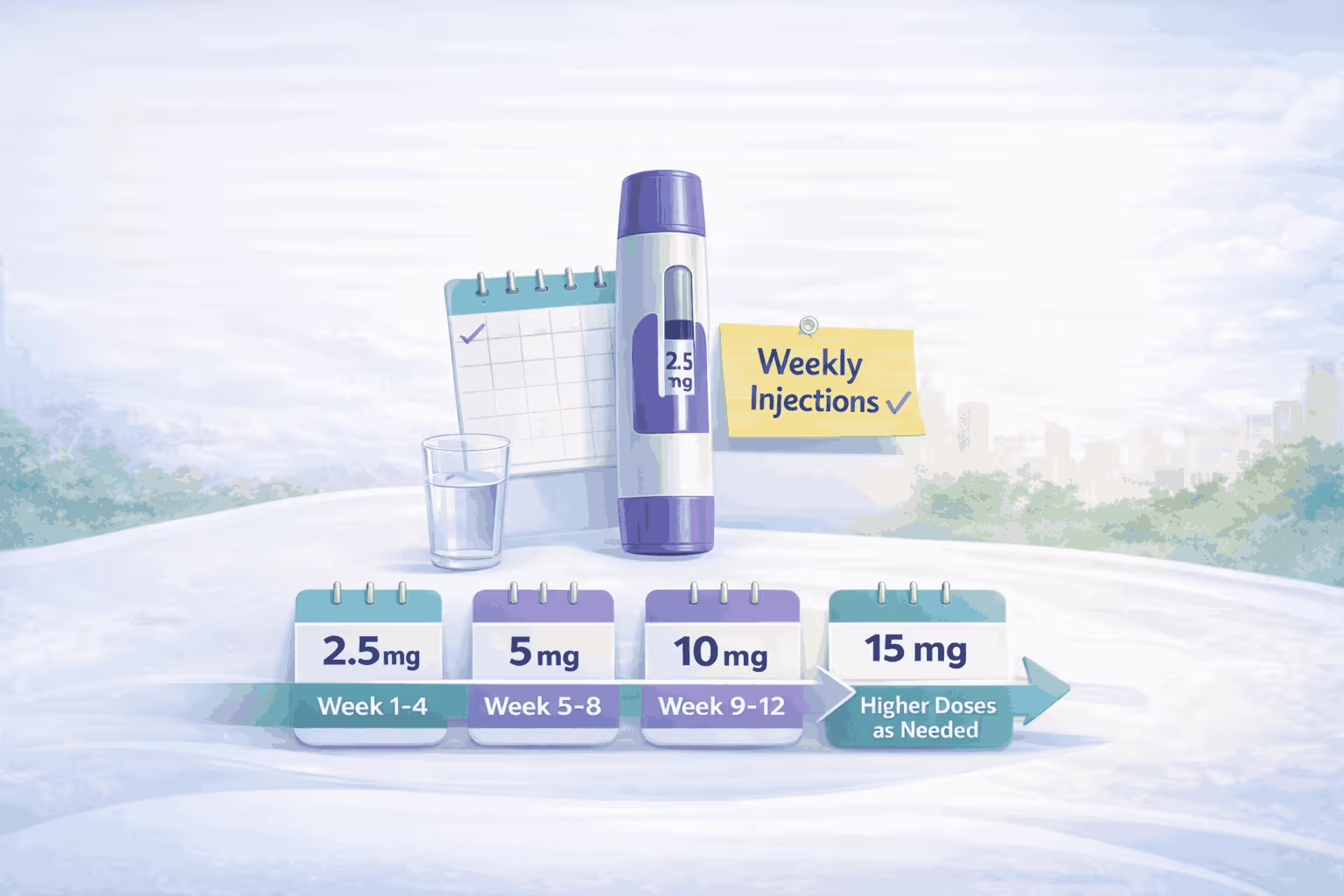
While you can’t eliminate the risk, you can minimise it. Starting on a lower dose and increasing slowly, as recommended by your prescriber, gives your digestive system time to adjust. Following a gut-friendly diet, staying hydrated, and avoiding trigger foods can all significantly reduce the risk of diarrhoea.
When to speak to a healthcare professional
In most cases, diarrhoea improves over time. However, you should contact your GP, pharmacist or clinician if:
- Diarrhoea lasts longer than a few days
- Symptoms are severe or worsening
- You notice signs of dehydration (such as dizziness, dry mouth, or dark urine)
- You are unable to keep food or fluids down
- Diarrhoea returns every time you increase your dose
A healthcare professional can assess whether your dosage needs adjustment or whether an alternative treatment might be more suitable.
Conclusion
Diarrhoea is a common but manageable side effect of Mounjaro. For most people, it is temporary and can be reduced through simple lifestyle adjustments, mindful eating and good hydration. Always follow UK clinical guidance and contact a healthcare professional if symptoms persist.
For more insights into Mounjaro and similar treatments, along with prescription information, visit us at The Virtual Slimming Clinic today.
Frequently Asked Questions (FAQs)
How long does diarrhoea last after starting Mounjaro?
It typically lasts a few days to a couple of weeks as your body adjusts. If it continues beyond this, speak to your prescriber.
Should I stop taking Mounjaro if I get diarrhoea?
Don’t stop your medication without medical advice. Mild to moderate diarrhoea is common and often temporary.
Can Mounjaro cause other digestive issues besides diarrhoea?
Yes. Nausea, constipation, bloating and indigestion may also occur, particularly during the early phases of treatment.
Will side effects return if I increase my dose?
Side effects can temporarily return after a dose increase. This is normal and often settles within a week or two.
How does hydration affect diarrhoea risk while on Mounjaro?
Good hydration helps stabilise digestion and prevents diarrhoea from becoming severe. Oral rehydration solutions can be especially helpful if symptoms are persistent.































.avif)