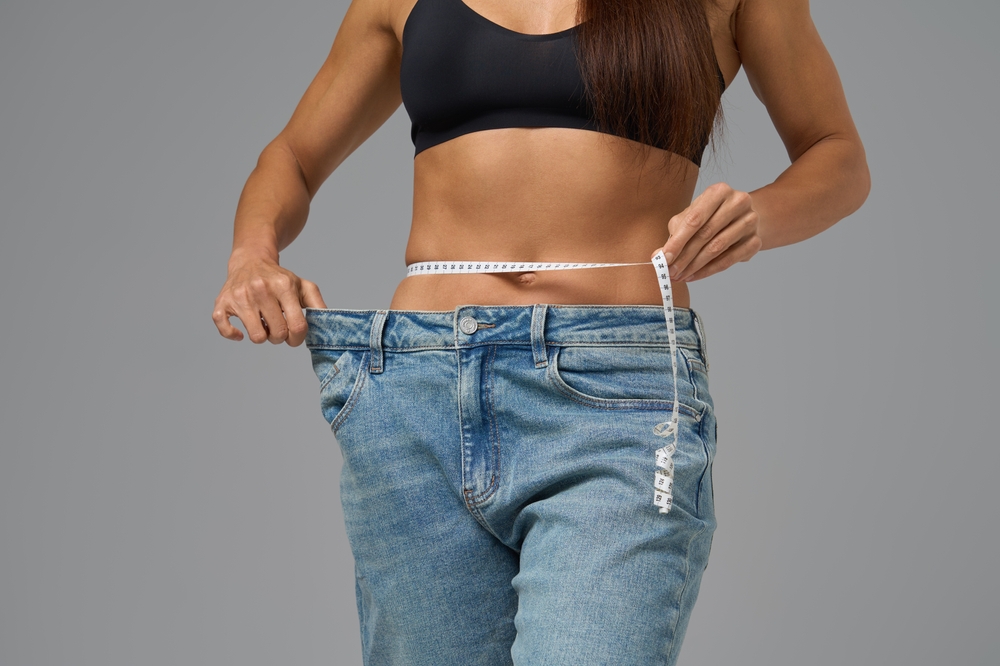




Quick answer: The easiest places to inject Mounjaro are the abdomen, thigh, or upper arm, and rotating sites each week helps improve comfort and absorption.
What is Mounjaro?
Mounjaro (tirzepatide) is a once-weekly injectable medication used in the UK to support weight management in adults who meet clinical criteria. It works by targeting two key hormone receptors, GLP‑1 and GIP, to help control appetite, enhance satiety and regulate blood sugar. It’s arguably more effective than Ozempic and Wegovy, which is why it’s become so popular in recent memory. Unlike daily weight‑loss treatments, Mounjaro is designed for simplicity: one injection per week, at a consistent time.
Understanding exactly where and how to inject it correctly helps ensure you get the most benefit from each dose while reducing the risk of discomfort or injection‑site irritation.
Where to inject Mounjaro?
Mounjaro must be injected into subcutaneous fat. This is the soft layer beneath the skin. The three recommended areas are the abdomen, thighs, and upper arms, as they are often areas of the body that store a lot of this kind of fat. It’s not wise to inject Mounjaro or any other injectable weight loss treatments into areas that are primarily covered by lean muscle.
Why correct injection site placement matters
Injecting Mounjaro into the correct location ensures the medication enters the fatty tissue (subcutaneous layer), where it is intended to be absorbed slowly over time, rather than entering your system all at once. Poor placement, such as injecting too shallowly, into muscle or in an area that’s bruised or irritated,c can lead to:
- Reduced effectiveness
- Increased discomfort
- A higher chance of redness, swelling, or skin reactions
- Uneven absorption, which may affect how the medication works
By following correct technique and rotating injection sites weekly, you support smooth, consistent absorption and help minimise side effects.
Abdomen (stomach)
Injecting into the abdomen is generally considered the easiest and most comfortable location for self‑injection. People often carry lots of their fat in their stomach. You can inject anywhere on your stomach except within 5 cm (2 inches) of your belly button. This area tends to have adequate fatty tissue, making it ideal for smooth, basically painless injections.
Benefits:
- Easy to reach
- Convenient site, whether sitting or standing
- Less sensitive than other areas
Tips:
- Avoid scars, stretch marks and areas that feel firm or tender
- Rotate positions around the abdomen to avoid overusing a single spot
Thigh
Your outer thigh is another reliable injection site. Many people prefer this location because it offers a broad, accessible area, especially if you like to complete your injection while sitting down.
Benefits:
- Good for self‑injection
- Large, easy‑to-target area
Tips:
- Stick to the outer thigh; the inner thigh is more sensitive and muscular
- Alternate between legs weekly for comfort
Upper arm
The upper arm is the least convenient area for self‑injection because reaching the back of your arm can be challenging. However, it’s often still got enough fatty tissue to make it a safe and effective site. It might be best to choose this site when someone can assist you.
Benefits:
- Useful when rotating sites
Suitable for those with adequate fatty tissue in the area
Tips:
- Best used when a partner, friend or clinician is helping
- Ensure injections go into the fleshy part at the back of the upper arm
Injection site comparison table
| Injection site | Ease of use | Tips for best results |
| Abdomen | Easy | Avoid the belly‑button area; rotate weekly |
| Thigh | Easy | Good for self‑use; alternate legs |
| Upper Arm | Difficult alone | Best with assistance |
Preparing to inject
A little preparation goes a long way before injecting Mounjaro. UK clinical guidance recommends following good hygiene practices to lower the risk of infection and ensure safe administration.
1. Wash your hands thoroughly with soap and warm water (the “Happy Birthday” trick is a good rule to live by in general).
2. Prepare a clean area to set your pen and accessories.
3. Check the Mounjaro pen:
- Confirm the pen is the correct dose prescribed to you
- Inspect the liquid through the viewing window (it should appear clear and colourless)
- Check the expiry date
- Ensure the pen has been stored correctly (in the fridge before first use, or at room temperature for up to 30 days once opened)
4. Choose your injection site in advance to avoid hesitation.
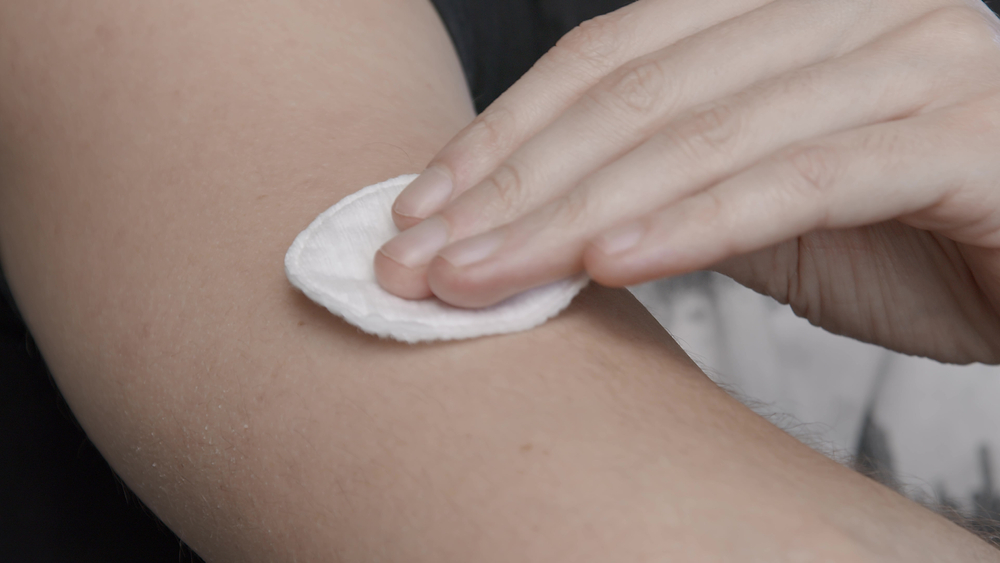
5. Clean the skin using an alcohol swab, and let it dry completely.
Taking these steps reduces irritation and helps ensure a smooth injection experience.
How to Inject Mounjaro | Step-by-step guide
Below is a straightforward, UK‑appropriate step-by-step method based on best practice for self-injection of subcutaneous treatments.
Step 1. Prime the pen
Some medication pens require priming before use, but the Mounjaro pen comes pre‑primed, which means there’s no need to remove air from the device or test-fire it.
You simply need to:
- Remove the pen cap and leave it somewhere safe and clean to ensure it doesn’t get lost
- Get a clean, unused needle at the ready
- Recheck the solution through the window (if it’s looking cloudy or discoloured, it’s degraded and is not good to inject)
Never use the pen if it looks damaged or the liquid seems cloudy. If you’re unsure about the condition of your pen, get in touch with
Step 2. Choose your injection site
Ensure the chosen spot has not been used in the past week. Rotating sites weekly helps prevent skin thickening, bruising, or irritation.
Good rotation examples include:
- Monday this week, right abdomen
- Monday next week, left thigh
- Monday the week after: back of right arm (with help)
Then you can continue this trend going forward, while switching sides at any of your chosen injection sites. Find the pattern that suits you the best, and you’ll slip into a comfortable routine.
Step 3. Set the dose & insert needle
A proper Mounjaro pen is preset to your prescribed dose, so there’s no need to adjust or dial the strength. However, you will have to turn the dose knob to find the icon in the dose window, as this indicates that your full dose is set.
To insert the needle:
- Hold the pen at a 90-degree angle to your skin.
- Pinch the skin if needed, especially when injecting into an area with less fatty tissue (which should become more common as treatment progresses!).
- Press the pen firmly against the skin until you hear a click.
This click activates the needle.
Step 4. Inject your dose & wait
Once you hear the click, keep the pen pressed firmly in place. A second click indicates the injection has started.
Continue holding the pen against your skin for 10 seconds, allowing the full dose to be absorbed into the subcutaneous tissue.
Removing the pen too early can lead to:
- Leakage from the injection site
- A partial dose, which won’t be as effective
Step 5. Dispose of the pen & needle safely
Used pens and needles must go into a designated sharps bin, available from your clinical provider or even a local UK pharmacy. Never place sharps into household waste or recycling, as this can be dangerous for disposal teams and even the general public.
When your bin is full, return it to your pharmacy, a local council collection or even a nearby GP’s office for safe disposal.
Step 6. Aftercare
Once the injection is complete:
- Apply gentle pressure with a cotton pad if needed
- Avoid rubbing the area, as this can cause irritation
- If there is mild redness or swelling, it usually resolves within a few hours
A cool compress can help with temporary tenderness.
Step 7. Storage after use
Unused Mounjaro pens must be stored in the fridge between 2°C and 8°C, and away from direct heat or light.
Once you begin using a pen, it may be stored at room temperature (up to 25°C) for up to 30 days, making it easier to use for weekly injections. If you’d prefer, you can still keep it in the fridge, which is preferable if you play fast and loose with the thermostat.
Never freeze the pens—if a pen accidentally freezes, it must be disposed of.
Mounjaro injection site reactions
Most injection site reactions are mild and short-lived. Common experiences include:
- Redness
- Itching
- Slight swelling
- A small lump under the skin
These usually resolve within 24–48 hours and are considered normal. However, monitor the area. If reactions worsen or fail to improve, contact a UK healthcare professional.
Less common but important to recognise are:
- Hives
- Significant warmth or spreading redness
- Severe pain
- Signs of infection (pus, fever)
If you notice any of these symptoms, it is best to seek medical advice as soon as possible.
How to make your injection go smoothly
Here are simple ways to make each injection as comfortable as possible:
1. Warm the pen in your hands for a minute if it has been stored in the fridge. Cold injections can sting or agitate the tissue.
2. Use a new site each week—rotating prevents skin irritation and bruising.
3. Relax the muscle. Tension increases discomfort.
4. Allow alcohol on the skin to dry thoroughly to prevent stinging.
5. Inject slowly. Although the pen automates this, keeping your hand steady helps.
6. Avoid injecting into:
- Bruised areas
- Moles or freckles
- Scar tissue
- Areas with cuts, rashes, or eczema
7. Use the abdomen when in doubt. It’s consistently the easiest and most comfortable site, so it can be returned to the most regularly.
When to contact your healthcare professional
While Mounjaro is largely considered safe, it’s not without some potential side effects. Always seek UK‑based medical advice if you experience:
- Persistent or worsening injection site reactions
- Symptoms of an allergic reaction (swelling of lips, tongue, or breathing difficulty)
- Severe or unusual abdominal pain
- Signs you may have injected incorrectly (e.g., immediate severe discomfort or unexpected bleeding)
You should also get support if:
- You’re unsure how to inject properly
- You miss several doses
- You’re considering changing your injection day
Clinicians, pharmacists and specialist weight‑management services can provide hands-on demonstrations to ensure you feel confident and safe.
Conclusion
Knowing exactly where and how to inject Mounjaro makes a meaningful difference in both comfort and treatment effectiveness. Whether you choose your abdomen, thigh or upper arm, following the correct technique helps ensure smooth, consistent absorption. With weekly rotation, proper preparation, and safe disposal, your injections can quickly become a simple and stress‑free part of your weight‑management routine.
Always follow UK medical advice and seek support whenever you’re unsure, especially during the early weeks of treatment.
For more insights into Mounjaro, Ozempic, Wegovy and other weight loss treatments, make sure to check out The Virtual Slimming Clinic today. We’re an online prescriber and seller of treatment options, and we also offer a significant library of free resources, like the one you’ve just read. Let us guide you through your health journey!
Frequently Asked Questions (FAQs)
Which skin areas should I avoid when injecting Mounjaro?
Avoid: scars, moles, irritated skin, bruises, hardened areas or within 5 cm of the belly button. Never inject into broken skin.
What happens if I miss a dose of Mounjaro?
If it’s been less than 4 days (96 hours) since your missed dose, take it as soon as possible and resume your weekly schedule. If more than 4 days have passed, skip the missed dose and wait until your next scheduled injection.
Can I inject Mounjaro in the arm by myself?
Most people find this problematic. It’s usually safer and more comfortable to have someone else inject into the upper arm for you.
How often should I rotate injection sites?
Rotate injection sites every week. Regular rotation protects your skin, prevents soreness, and supports consistent absorption.
How do I reduce pain during and after injecting Mounjaro?
Tips include warming the pen slightly, allowing the alcohol swab to dry thoroughly, keeping muscles relaxed, and applying a cool compress afterwards.