




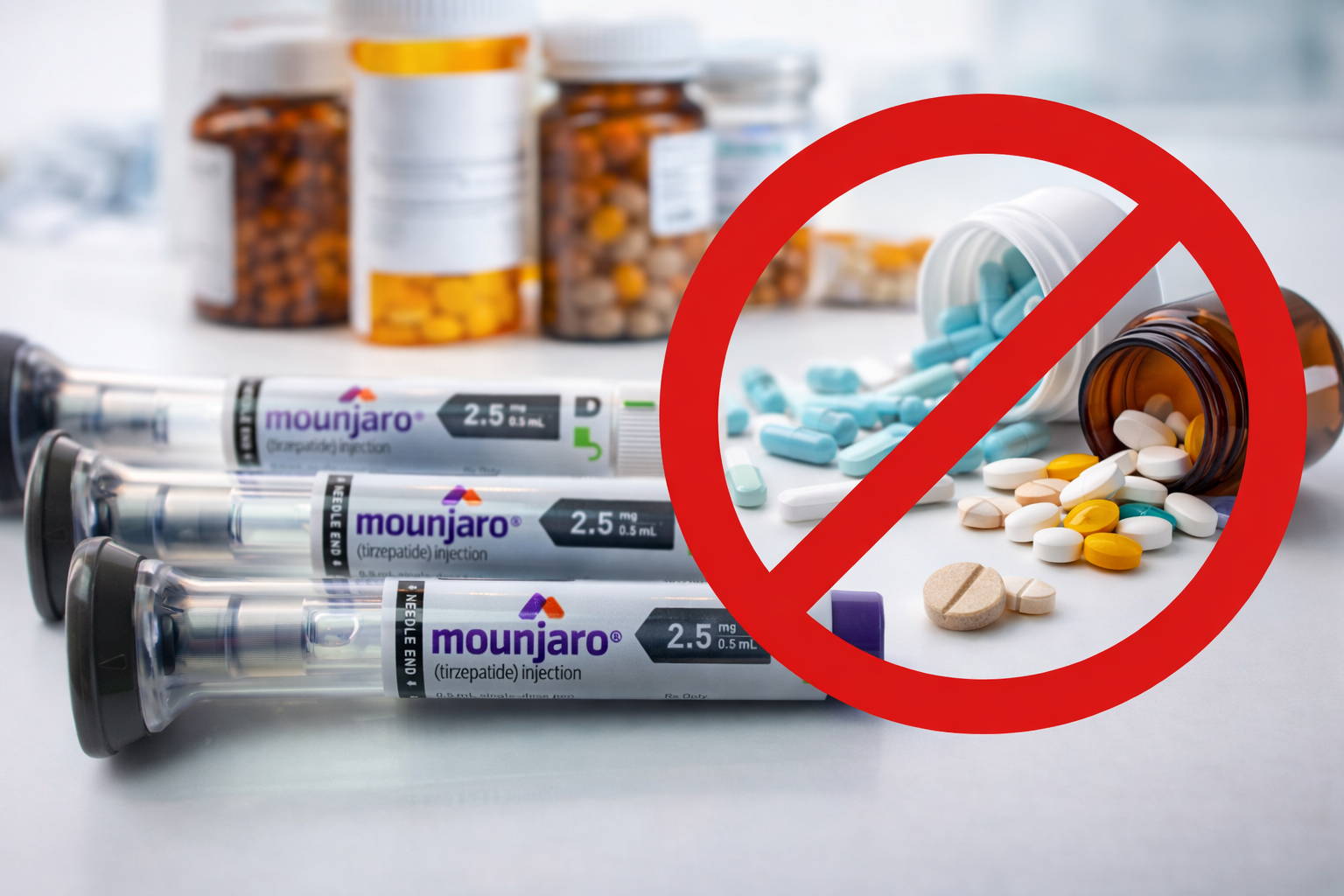
Quick answer: The key question “What medicines can you not take with Mounjaro?” comes down to anything that increases the risk of low blood sugar, slows digestion further, or becomes less effective because Mounjaro delays gastric emptying.
Introduction to Mounjaro (Tirzepatide)
Mounjaro (tirzepatide) has quickly become one of the most talked‑about treatments for weight loss and type 2 diabetes, thanks to the way it supports blood sugar regulation and appetite control. It offers a sustainable way for many people to lose weight and adopt a healthier, more active lifestyle without relying solely on personal motivation.
But while the benefits can be transformative, it’s not a medication you want to mix carelessly with others. Like all injectable GLP‑1/GIP medications, Mounjaro subtly changes how your body processes food and drugs alike, which means certain medications may become stronger, weaker, or riskier when taken together. These are potent, possibly life-changing treatment solutions that shouldn’t be mixed with others willy-nilly.
Whether you’re exploring Mounjaro as part of a clinically supported weight‑loss plan or managing diabetes, knowing which medicines can and cannot interact with it safely is absolutely essential for your health. This guide breaks everything down with the clarity and reassurance you’d get from a friendly clinician, so you feel informed rather than overwhelmed.
Note: It’s worth noting that this advice could generally be applied to most other weight-loss treatments, but clinical guidance is always essential.
Why knowing medication interactions with Mounjaro matters
When you start a medication like Mounjaro, you’re not just adding something new. You’re taking active steps to change how your body behaves overall. Even small changes in digestion, appetite or insulin sensitivity can affect how other medications work, having serious physiological impacts.
Understanding potential interactions matters because:
- Some combinations can cause dangerously low blood sugar.
- Others can become less effective, leaving conditions untreated.
- A few may require timing changes so your body absorbs them properly.
- And some simply shouldn’t be taken together without medical supervision.
The goal of this guide isn’t to scare you off; it’s to help you make decisions confidently and safely. It’s also important to remember that a good clinician will review your existing medication requirements and tailor any new prescriptions around them.
How Mounjaro works and why interactions occur
Mounjaro mimics two natural hormones, GLP‑1 and GIP, both of which influence blood sugar control, digestion and appetite.
This dual action leads to a few changes that make medication interactions more likely:
- Slows stomach emptying. Meaning other medications may be absorbed more slowly.
- Improves insulin sensitivity. This can make diabetes medications stronger.
- Reduces appetite. This can indirectly affect the timing of other medications.
- Alters digestive patterns. This may impact how consistently drugs enter the bloodstream.
Because of this, anything from birth control pills to antibiotics may behave differently while you’re on Mounjaro, necessitating clear, considerate guidance from doctors.
Common medications to avoid or use cautiously with Mounjaro
Below is a clear breakdown of medication groups you should approach carefully while using Mounjaro. Always discuss your full medication list with your clinician, ensuring you don’t leave anything out. You have to be conscious of prescriptions, over‑the‑counter medicines and even supplements, sharing every one of them with your prescriber.
Medication interaction table
| Medication type | Examples | Interaction risk & management | Notes / precautions |
| Other weight loss medications | Ozempic, Wegovy, Saxenda, Trulicity, Zepbound | Combining GLP‑1s increases side‑effect severity and strain on digestion. | Avoid unless specifically prescribed and monitored (unlikely). |
| Insulin & insulin secretagogues | Insulin (Lantus, Humalog), sulfonylureas (glipizide, glyburide) | Major risk of hypoglycaemia; dosage adjustment often required. | Frequent blood sugar checks are essential; seek clinical guidance. |
| Oral contraceptives | Ethinyl estradiol/norethindrone | Reduced absorption may lower contraceptive protection. | Use backup contraception for 4 weeks after starting or increasing your dose. |
| Medications with Narrow Therapeutic Index | Warfarin, Digoxin | Altered absorption may destabilise blood levels. | Requires monitoring and possible dose changes. |
| Other oral medications | Antibiotics, anti‑epileptic drugs, levothyroxine | Slower absorption can delay therapeutic effects. | Your clinician may adjust timing or recommend monitoring. |
| Herbal supplements | Ginseng, Fenugreek, Chromium, and Garlic supplements | May affect blood sugar or blood thinning. | Always disclose supplement use before starting Mounjaro. |
How to safely manage drug interactions while using Mounjaro
The issue is that taking Mounjaro or another weight-loss medication doesn’t mean you won’t need any other medicines you currently take. With this in mind, it’s completely normal to feel unsure about whether your medicines are safe to take together. Instead of guessing, use these core principles to stay protected.
Check medications
Before you start Mounjaro or change doses, take the time to review your full medication list with your clinician or pharmacist. This includes contraception, inhalers, pain relief, supplements and even occasional medicines you only take during flare‑ups.
Track symptoms
During the first 4–6 weeks, keep an eye on:
- Dizziness or shakiness (possible low blood sugar)
- Heart palpitations or unusual bruising (blood‑thinning issues)
- Worsening digestive symptoms
- Changes in menstrual patterns if you use oral contraception
The more detail you provide your clinician, the easier it is for them to optimise your treatment and ensure your utmost safety.
Adjust dosage
Some medications, like insulin or sulfonylureas, almost always need dose reductions when combined with Mounjaro, because of the latter’s direct impact on your body’s natural blood sugar processes. Your clinician will guide you, but never adjust doses yourself without professional advice.
Avoid risky combos
Certain medicines simply aren’t worth the risk of combination unless your doctor feels strongly that the benefits outweigh the downsides. This includes combining multiple GLP‑1 medications or taking herbal supplements that affect blood sugar.
Regular check-ups
Follow-ups are non‑negotiable, whether you’re taking a multitude of medications or not. Blood tests, glucose monitoring and medication reviews ensure everything remains stable and safe.
Choosing the right medication for you
Every person’s situation is unique. And it’s worth noting that if your health has reached a point where you might consider taking Mounjaro or another weekly injectable, it wouldn’t necessarily be surprising if you took other medications. Your age, medical history, other prescriptions, lifestyle and weight‑loss goals all influence which medications are safe to combine with Mounjaro.
What works perfectly for one person may be unsafe for another, which is why personalised, clinically informed guidance matters far more than generic online lists (even this one). A clinician familiar with both the specifics of your health and experience guiding and implementing Mounjaro prescriptions will help you:
- Choose compatible medications that will suit all your requirements
- Adjust timing for optimal absorption of all medications
- Decide whether contraception changes are needed
- Reduce or remove medicines that are no longer necessary as your health evolves
The safest choice is always a tailored one, guided by a professional.
Conclusion
Mounjaro can be a powerful part of your weight‑loss or diabetes‑management journey, but like all medications, it doesn’t exist in isolation. It’s a powerful tool that can support people in reaching their goal weight and lifestyle, as long as they make changes to their diet, exercise regimen and, potentially, existing medication suite. Interactions between medications are not just possible, they’re likely, because of the way Mounjaro changes digestion and glucose regulation.
The key is not avoiding treatment or simply dropping your other medications willy-nilly, but partnering with your clinician to ensure every medication you take is safe, effective, and works with Mounjaro, not in competition with it.
If you’re ever unsure, ask. Your healthcare team is there to protect your safety and support your progress.
Working with The Virtual Slimming Clinic
If you’re curious about Mounjaro or other injectables as tools to master your weight management, there’s no better place to visit than The Virtual Slimming Clinic. We’re a licensed clinical prescriber of Mounjaro and Wegovy, offering our patients a pathway to the version of themselves that they really want to be. Our team will ensure that any prescriptions provided are issued safely, with mindfulness of potential interactions with other drugs.
Along with this, we also offer a full suite of free resources, just like this one you’ve been reading! Visit our blog for focused, clear articles that provide insights into everything from drug comparisons to recommended diet plans. We’re here to help you in the direction you want to be on.
Frequently Asked Questions
What supplements should I avoid while taking Mounjaro?
It may be hard to believe, but even herbal supplements can interact negatively with Mounjaro. Be cautious with herbs or supplements that affect blood sugar or blood thinning, including ginseng, fenugreek, chromium and garlic capsules. Always disclose supplement use so your clinician can identify risks early.
Which blood pressure medicines should be avoided with Mounjaro?
Most blood pressure medicines are safe to take alongside weight loss drugs, but dehydration caused by nausea or vomiting may affect how they work. ACE inhibitors and diuretics can become more potent if you’re not eating or drinking enough. Monitor symptoms and report dizziness or faintness.
What foods should I avoid when taking Mounjaro?
There are no strict food bans, as these can make it a lot harder to stay consistent and mentally healthy during treatment, but generally avoiding high‑fat, greasy meals can reduce nausea. Eating smaller, slower meals helps Mounjaro work more comfortably.
Should I adjust my doses of other medications when starting Mounjaro?
Not on your own, but your clinician may adjust doses of insulin, sulfonylureas, thyroid medication, or controlled‑dose drugs like warfarin.
Can I take Mounjaro with diabetes medicine?
Yes, but it needs to be done so considerately. For example, diabetes medications, such as insulin and sulfonylureas, may require lower doses to avoid hypoglycaemia. Close monitoring throughout your treatment is essential.
How long should I wait between Mounjaro and other medications?
Many oral medications can still be taken at the same time, but some, like oral contraceptives or thyroid tablets, may require spacing or timing adjustments. Your clinician will tailor guidance based on your prescription list.