


Quick answer: The Mounjaro dosing schedule for weight loss begins at 2.5 mg once weekly and increases gradually every four weeks up to a maximum of 15 mg, allowing your body time to adjust while optimising appetite suppression and sustainable fat loss.
Introduction to Mounjaro
Mounjaro, also known by its generic name tirzepatide, has rapidly become one of the most discussed medications in the weight-loss space. Originally developed for the management of type 2 diabetes, Mounjaro has demonstrated remarkable effectiveness for weight reduction, appetite control and metabolic health. Its success has shifted the conversation around medical weight loss, particularly for people who have struggled to see sustainable results through diet and lifestyle changes alone.
What sets Mounjaro apart is its dual-action mechanism. Unlike earlier injectable weight-loss medications that target a single hormone pathway, Mounjaro acts on both GLP-1 and GIP receptors. These hormones are naturally released in the gut after eating and play a key role in regulating hunger, satiety, insulin secretion, and blood glucose stability. By mimicking these hormones, Mounjaro helps people feel satisfied sooner, stay full for longer and reduce the constant mental noise around food that often derails weight-loss efforts.
However, Mounjaro is not a medication that delivers instant results overnight. Its effectiveness depends heavily on following a structured, gradual dosing schedule. The way Mounjaro is introduced and increased over time is intentional and essential to both safety and long-term success. Understanding the dosing schedule allows patients to set realistic expectations, manage side effects, and stay committed to the process rather than becoming discouraged early on.
This guide explains how Mounjaro dosing works for weight loss, why the dosage increases slowly, and how different health conditions may affect your ideal dosing schedule. Whether you are just starting or already progressing through dose escalation, this comprehensive overview helps you understand what your body is doing at each stage and why patience is critical.
How does the Mounjaro dosing work?
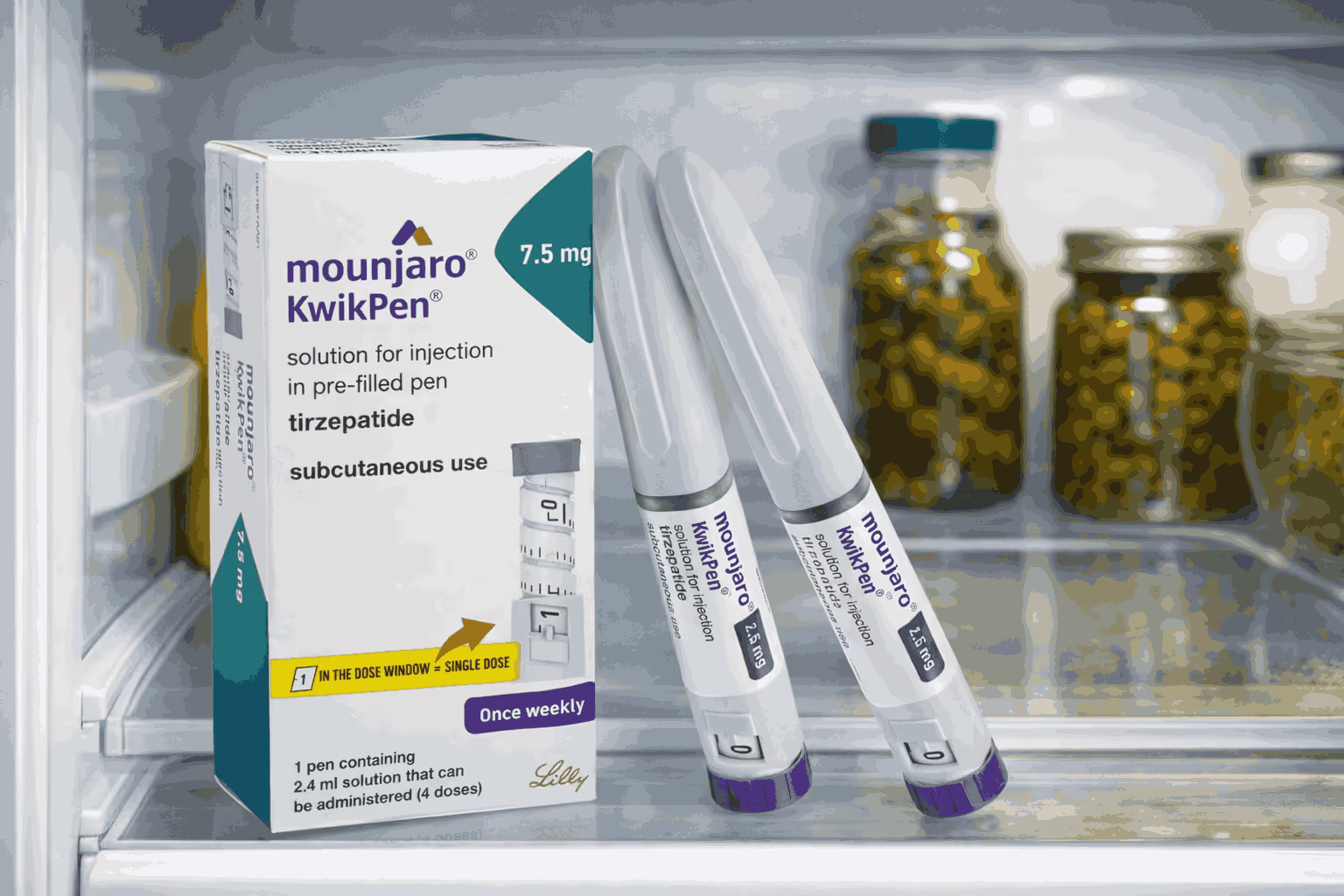
Mounjaro is administered as a once-weekly injection, typically on the same day each week at rotating sites. The medication builds up gradually in your system, meaning its effects strengthen over time rather than making an impact all at once. This slow build is intentional; it helps your digestive system and metabolism adapt without overwhelming your body.
When you begin Mounjaro, the initial dose is intentionally low. This starter dose is not meant to drive significant weight loss; it simply introduces your body to the medication and allows your gut hormones, stomach emptying, and appetite signals to recalibrate. As your tolerance improves, the dose is increased in measured steps, typically every four weeks, in a process called titration.
Each dose level represents a new phase of adaptation. During these transitions, your appetite may change, your eating patterns may shift, and side effects may appear or intensify briefly before settling. The goal is to find the lowest effective dose that delivers consistent appetite suppression and weight loss while remaining comfortable and sustainable.
Importantly, Mounjaro dosing is not a race. Moving up too quickly can significantly increase nausea, vomiting and gastrointestinal discomfort, often leading people to discontinue treatment unnecessarily. By respecting the dosing schedule, most patients find side effects manageable and temporary, especially when following mindful eating habits and hydration.
Why a Mounjaro dosage chart is important
A Mounjaro dosage chart provides clarity, structure, and reassurance throughout the weight-loss journey. For many patients, uncertainty about dosing can create anxiety or unrealistic expectations, especially when early weight loss feels slower than hoped. A clear chart helps you understand that progress is cumulative and that early stages are foundational rather than reflective of final results.
The dosage chart also reinforces that Mounjaro is not intended to eliminate appetite immediately. Instead, it is about gradual metabolic recalibration. Seeing the step-by-step progression helps patients stay committed during the adjustment phase, knowing that stronger appetite control often appears at higher therapeutic doses.
From a clinical perspective, the chart supports safe prescribing and monitoring. It ensures dose increases happen only after tolerance is established, reducing the risk of side effects severe enough to interrupt treatment. For patients managing other health conditions, such as diabetes or kidney disease, the chart allows for tailored adjustments without deviating from safe escalation principles.
Ultimately, a dosage chart turns what can feel like an abstract treatment plan into something tangible and predictable, which is especially important for long-term success.

Mounjaro Dosage Chart (week-by-week schedule)
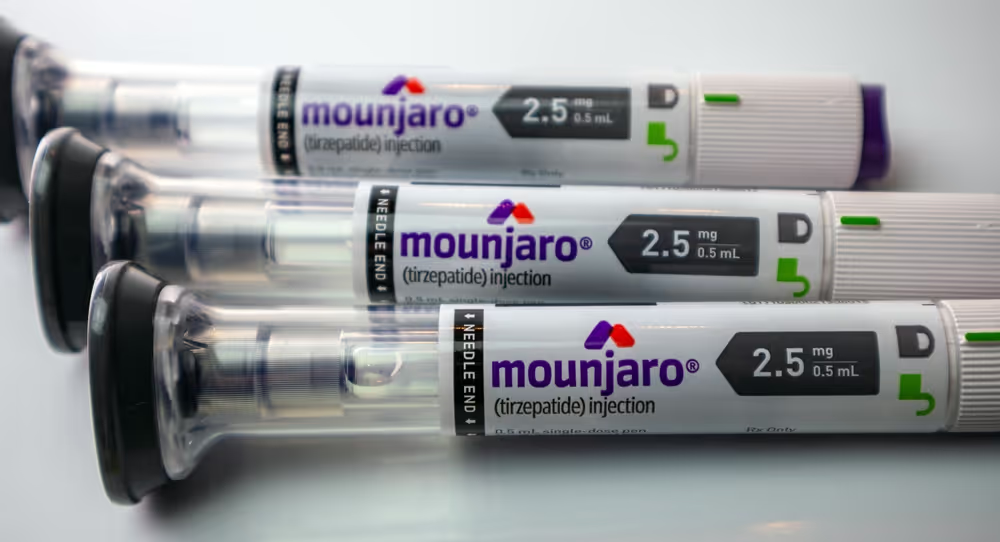
Below is the standard Mounjaro dosing schedule commonly followed for weight loss, assuming the medication is well-tolerated and no medical adjustments are required.
Each four-week block allows the body to stabilise before moving forward. Some people remain at a lower dose for longer if weight loss is steady, while others progress upward continually to the highest levels under medical supervision.
Mounjaro dosage for special conditions
Not everyone follows the standard dosing schedule exactly. Certain medical conditions require additional caution, slower titration or closer monitoring.
Diabetes
People with type 2 diabetes often see improvements in blood sugar levels early in treatment, sometimes even before weight loss becomes noticeable. Because Mounjaro enhances insulin sensitivity and reduces glucose spikes, dose increases may require adjustments around other diabetes medications to avoid hypoglycaemia.
Kidney or liver Issues
While Mounjaro can be used in patients with kidney or liver conditions, dose escalation should proceed more slowly. The digestive side effects can be more pronounced in these populations, making patience especially important.
Older adults
Older adults may be more sensitive to gastrointestinal side effects and dehydration. Starting low and increasing cautiously helps maintain quality of life while still achieving meaningful weight loss.
Why has Mounjaro’s dose gradually increased?
The gradual dose increase is one of the most important aspects of Mounjaro’s design. The medication slows gastric emptying, meaning food stays in the stomach longer. While this contributes to fullness and reduced appetite, it can also cause nausea and bloating if introduced too aggressively.
By increasing the dose slowly, your digestive system learns to adapt. Hormonal signalling between the gut and brain becomes more efficient, appetite cues recalibrate, and side effects diminish over time. This approach also allows patients to identify their personal “sweet spot” dose, where benefits are maximised without unnecessary discomfort.
What is the maintenance dose of Mounjaro?
The maintenance dose of Mounjaro varies from person to person. While 15 mg is the maximum recommended dose, many patients achieve excellent results at 5 mg, 7.5 mg, or 10 mg. Maintenance is not defined by the highest dose but by the dose that supports ongoing weight loss or weight stability without intolerable side effects.
Some people remain on a single maintenance dose long-term, while others adjust based on life circumstances, stress levels or metabolic changes. The key is sustainability, not escalation for its own sake.
Common side effects during dose escalation
Side effects are most common during dose increases and usually improve within days to weeks.
- Nausea. Often mild and transient, especially when eating slowly.
- Vomiting. Less common but can occur if overeating.
- Diarrhoea. Typically short-lived.
- Constipation. Improved with hydration and fibre.
- Abdominal pain. Usually related to delayed digestion.
- Bloating. Common during early weeks.
- Headache. Often linked to reduced calorie intake.
- Fatigue. Temporary as the body adapts.
- Injection site reactions. Mild redness or itching.
- Dizziness. Sometimes due to dehydration.
Listening to your body and adjusting meal size, hydration, and food choices can significantly reduce discomfort.
Conclusion
Mounjaro’s dosing schedule is designed to prioritise safety, comfort, and long-term success. By respecting the gradual escalation process, patients give their bodies the time needed to adapt, resulting in more sustainable weight loss and fewer interruptions to treatment. Understanding each phase of dosing helps set realistic expectations and fosters patience, which is often the most powerful tool in any weight loss journey.
For more insights, visit The Virtual Slimming Clinic blog today. We have a massive collection of free resources like this one to make your weight-loss journey much smoother, whether you use medication or not.
Frequently Asked Questions
Which Mounjaro dose is most effective for weight loss?
The most effective dose varies by individual. Many people see significant results between 5 mg and 10 mg, while others require higher doses for optimal appetite control.
What is the starting dose of Mounjaro?
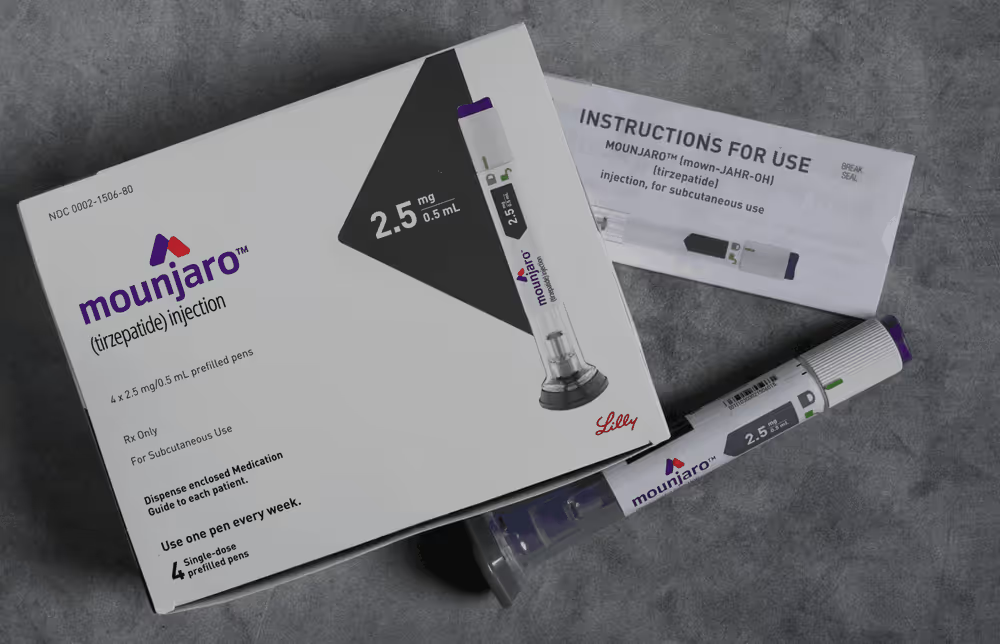
The standard starting dose is 2.5 mg once weekly, used solely for tolerance and adjustment.
What is the highest dose of Mounjaro?
The maximum recommended dose is 15 mg once weekly.
What if I miss a Mounjaro dose?
If missed within four days, take it as soon as possible. If more than four days have passed, skip and resume your regular schedule.
When to increase Mounjaro dose for weight loss?
Dose increases typically occur every four weeks, provided the current dose is well tolerated.
Can I take two 2.5-mg doses of Mounjaro to make a 5-mg dose?
No. Doses should never be combined or altered without medical guidance, as this increases the risk of side effects.























































.avif)
.avif)