




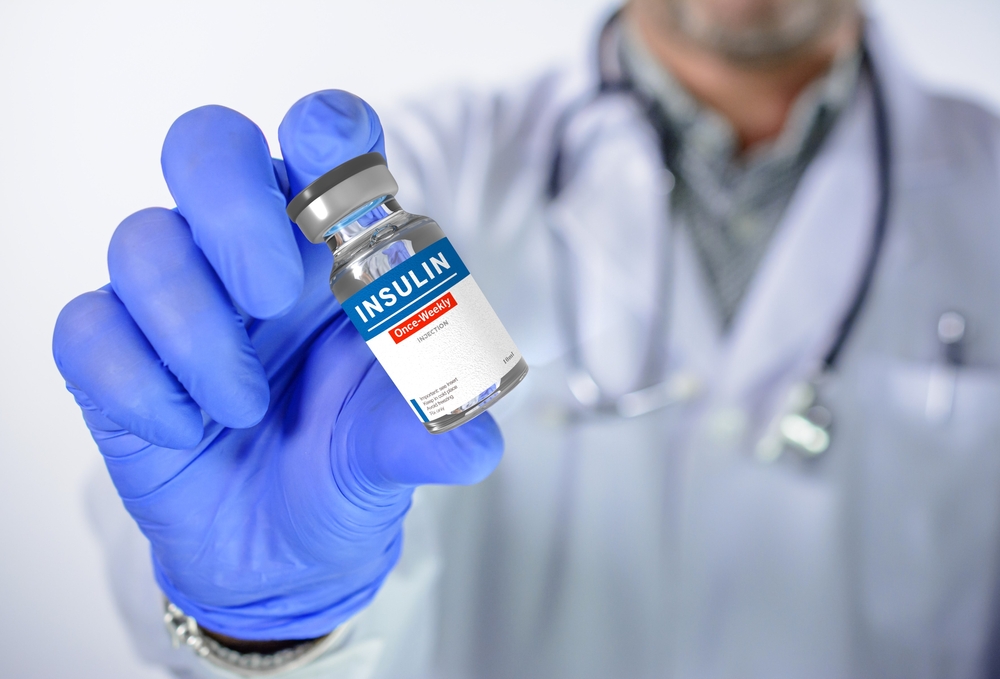
Quick answer: No, Ozempic is not insulin. Ozempic is a GLP‑1 receptor agonist that helps your body release insulin naturally, whereas insulin is a hormone replacement therapy used when the body cannot produce enough insulin on its own.
Ozempic has become a household name in recent years, praised for its role in supporting weight loss and managing type 2 diabetes. With its rising popularity, many people understandably wonder, “Is Ozempic actually insulin?” The confusion is common because both medicines involve injections, both help manage blood sugar and both are used in diabetes care. But medically and chemically, they are very different.
In this comprehensive guide, you’ll learn exactly what sets Ozempic apart from insulin, how each treatment works, who they are suitable for and whether Ozempic can ever be considered a suitable replacement for insulin.
All advice and references included follow UK medical standards and NHS‑aligned guidance.
What is Ozempic?
Ozempic is the brand name for semaglutide, a prescription GLP‑1 receptor agonist used in the UK for managing type 2 diabetes. Although it has become well‑known for its impact on weight loss, it is not technically licensed in the UK as a weight‑loss treatment. Wegovy is the version licensed for obesity management. However, many people taking Ozempic for diabetes notice weight‑related benefits, and some doctors will still prescribe it ‘off-label’ to patients for weight loss.
Ozempic works by mimicking the action of a natural hormone called GLP‑1 (glucagon‑like peptide‑1). This hormone is produced in the gut after eating and plays a key role in balancing blood sugar.
In the UK, Ozempic is available only on prescription and is usually given as a once‑weekly injection via a pre‑filled pen. It is not a first‑line treatment, as most people who go to it begin with lifestyle changes and first‑line medications such as metformin. Ozempic is generally introduced when additional blood sugar control is needed.
Key benefits of Ozempic include:
- Supporting blood sugar management
- Reducing appetite
- Slowing digestion
- Helping with weight reduction
- Lowering the risk of cardiovascular complications in some patients with type 2 diabetes
Ozempic is not suitable for type 1 diabetes and is not used to treat diabetic emergencies such as diabetic ketoacidosis.
How does Ozempic work in the body?
GLP‑1 receptor agonists like Ozempic influence several areas of the body, so to properly understand why Ozempic is not insulin, it helps to look at exactly how it works.
1. Increased natural insulin production
Ozempic does not contain insulin. Instead, it stimulates the pancreas to release insulin when blood sugar levels rise. This natural response only happens when glucose is present, which reduces the risk of hypoglycaemia (low blood sugar) compared to traditional insulin therapy.
2. Reduced glucagon release
Glucagon is a hormone that raises blood sugar levels. Ozempic reduces glucagon release, helping keep glucose levels more stable.
3. Slower digestion and appetite control
Ozempic slows gastric emptying, meaning food takes longer to leave the stomach. This leads to:
- Reduced appetite
- Feeling full sooner
- More stable post‑meal glucose levels
4. Support for weight reduction
Because Ozempic influences appetite and digestion, many people naturally reduce calorie intake, contributing to weight loss, which is also beneficial to type-2 diabetics.
This mechanism is entirely different from how insulin works. Rather than supplying insulin, Ozempic helps your body use its own insulin more effectively.
What is insulin, and how does it work?
Insulin is a hormone produced by the pancreas. It helps move glucose from the bloodstream into cells, where it is used for energy. Without enough insulin, blood sugar levels rise dangerously. This is why insulin treatment is considered essential for people with type 1 diabetes and, in some cases, for people with type 2 diabetes.
There are several types of insulin used in the UK, including:
- Rapid‑acting insulin (taken before meals)
- Short‑acting insulin
- Intermediate‑acting insulin
- Long‑acting insulin (provides background control)
- Mixed insulin formulations
Insulin therapy directly replaces or supplements the insulin the body cannot produce. It is delivered via:
- Pre‑filled pens
- Vials and syringes
- Insulin pumps
Delivered insulin works independently of food intake. If too much insulin is taken, blood sugar can drop too low, causing hypoglycaemia. This is one of the main reasons why insulin must be carefully dosed and monitored, either by a professional or with clear understanding.
Ozempic vs insulin | What’s the difference?
Although both medications help regulate blood sugar and both are generally administered through regular injections, their functions are entirely different. The table below clearly highlights these differences.
| Feature | Ozempic (Semaglutide) | Insulin |
| Type of medicine | GLP‑1 receptor agonist | Hormone replacement therapy |
| Used for | Type 2 diabetes, weight support (indirectly) | Type 1 and Type 2 diabetes |
| How it works | Stimulates natural insulin release | Directly replaces insulin |
| Frequency | Once a week | Daily or multiple times per day |
| Delivery method | Pre‑filled injection pen (subcutaneous) | Injection pen, vial or pump |
| Effect on weight | Typically leads to weight loss | Can lead to weight gain |
| Typical side effects | Nausea, diarrhoea, constipation, reduced appetite; rare risk of pancreatitis or retinopathy changes | Hypoglycaemia, weight gain, injection site reactions |
Both medications play essential roles in blood sugar management, but they are not interchangeable.
Why do people confuse Ozempic with insulin?
It might seem like the two things are totally removed from one another, but there are several understandable reasons why the two get mixed up:
1. Both involve injections
Most people associate injectable treatments with insulin, so it’s natural to assume Ozempic and other treatments are similar. But Ozempic is taken only once a week, a very different schedule from a daily insulin shot.
2. Both are used for diabetes control
Because both help manage blood sugar, people can assume they work in the same way. In reality, their mechanisms and chemical makeup are entirely separate.
3. Media coverage often blends diabetes and weight‑loss messaging
Ozempic’s popularity has sparked widespread discussion about blood sugar, hormones, and injections. This sometimes leads to misunderstandings that conflate weight loss and diabetes treatments unfoundedly.
4. Some people on insulin are also prescribed Ozempic
This overlap further blurs the lines for patients trying to understand their treatment plan.
Is Ozempic a replacement for insulin?
This should be very clear to any and all patients; No. Ozempic is not a replacement for insulin.
Insulin is essential for people with:
- Type 1 diabetes
- Advanced type 2 diabetes, where the pancreas can no longer produce enough insulin
- Certain medical emergencies, such as diabetic ketoacidosis
Ozempic simply cannot and should not replace insulin in these scenarios.
However, this isn’t to say that two treatments might not affect one another. For example, some people with type 2 diabetes who still produce insulin naturally may be able to reduce their insulin requirement when starting Ozempic. This depends on the individual’s health, blood sugar control and close clinical assessment. Any adjustments to insulin must be done under medical supervision.
When might Ozempic and insulin be used together?
In the UK, healthcare professionals sometimes prescribe Ozempic alongside basal (long‑acting) insulin for people with type 2 diabetes when blood sugar levels remain high despite insulin therapy. This combination can be useful because:
- Ozempic reduces appetite and supports weight loss, helping improve insulin sensitivity.
- People may require lower doses of insulin, reducing the risk of weight gain and hypoglycaemia.
- GLP‑1 medications can stabilise post‑meal glucose spikes.
This approach is not suitable for type 1 diabetes but can be an effective treatment plan for certain patients with type 2 diabetes.
Conclusion
Ozempic and insulin are both vital tools for managing diabetes, but they are categorically not the same thing. Ozempic is a GLP‑1 receptor agonist that supports natural insulin release and helps regulate appetite, while insulin therapy directly replaces the insulin a person’s body cannot produce. Understanding the difference helps you make informed decisions about your treatment plan and sets realistic expectations for what each medication can achieve.
If you are unsure whether Ozempic, insulin, or a combination of both is appropriate for you, always speak with a UK‑registered healthcare professional. For more insights into weight loss and diabetes medications, make sure to visit us at The Virtual Slimming Clinic. We have a clinical team on hand, along with a range of free resources to ensure that you discover the right, sustainable path to health for you.
Frequently Asked Questions (FAQs)
Can I switch from insulin to Ozempic?
Generally, no. People with type 1 diabetes or advanced type 2 diabetes rely on insulin and cannot replace it with Ozempic. However, some people with type 2 diabetes who still produce insulin naturally may reduce or adjust their insulin dose when starting Ozempic. This must always be done under medical supervision.
Does Ozempic cause weight gain like some insulins can?
No. Ozempic actually typically leads to weight loss, while insulin therapy can cause weight gain. This is one of the reasons Ozempic is an appealing option for people with type 2 diabetes who struggle with weight management.
What lifestyle changes go along with using Ozempic or insulin?
For best results, both treatments should be paired with:
- A balanced, lower‑GI diet
- Regular physical activity
- Adequate hydration
- Monitoring carbohydrate intake
- Attending regular diabetes reviews (NHS recommends annual reviews)
Ozempic also benefits from smaller, more frequent meals to help manage nausea.
Will I need insulin if Ozempic stops working?
Possibly. Type 2 diabetes is a progressive condition. Over time, the pancreas may produce less insulin, meaning some people eventually need insulin therapy regardless of other treatments. This is not a failure of therapies, but rather a natural progression of the condition.
How long might someone stay on Ozempic compared to insulin?
People often take insulin for life if they have type 1 diabetes or a significant insulin deficiency. With Ozempic, treatment may continue long‑term if it remains effective and well‑tolerated. If used for weight support, stopping Ozempic often leads to weight regain, so many people remain on a maintenance dose. However, the latter depends on the individual and the nature of their weight gain.