



Medically reviewed | Evidence-based
The recent approval of a daily GLP-1 weight-loss pill by Novo Nordisk has generated widespread attention across healthcare and the media. While some headlines suggest this marks the end of injectable treatments, the reality is more nuanced.
This development expands treatment options rather than redefining obesity care. Weight-loss pills are not shortcuts, nor are they universally superior to injections. Instead, they form part of a broader shift toward personalised, long-term medical weight management.
What is the new GLP-1 Weight-Loss Pill?
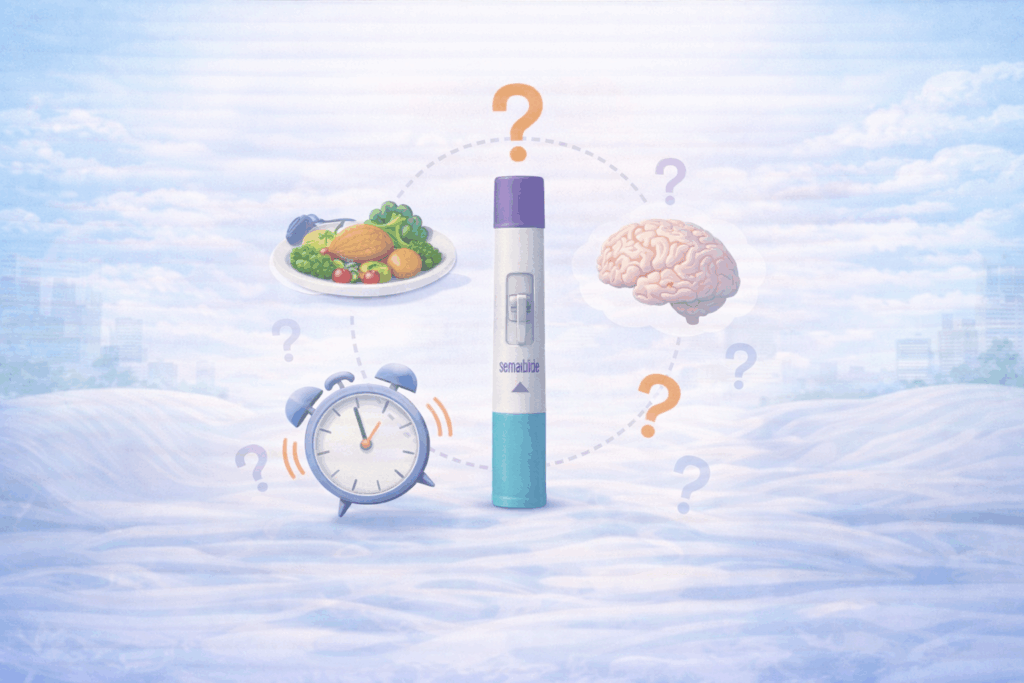
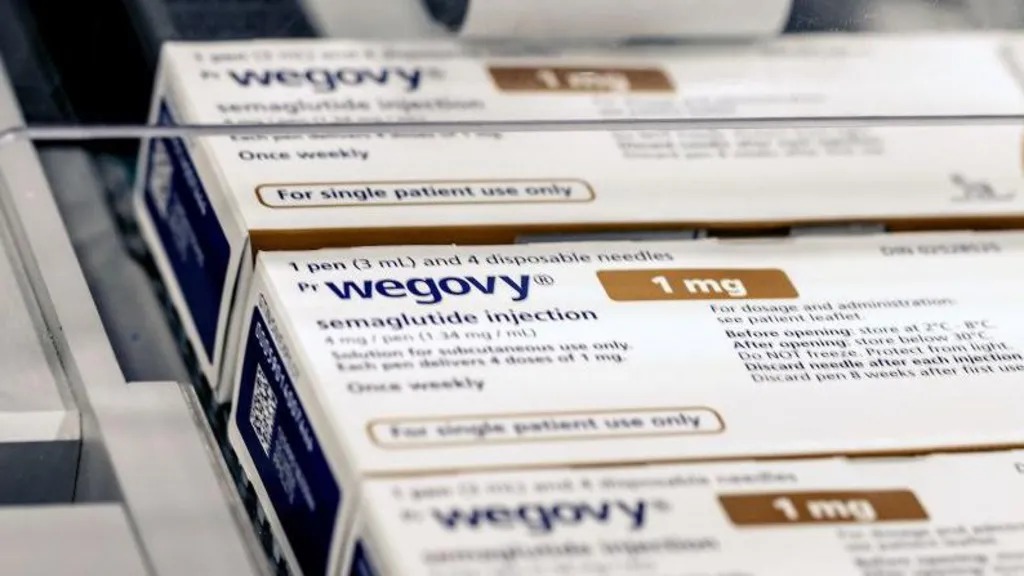
The newly approved medication is an oral GLP-1 receptor agonist containing semaglutide, the same active ingredient used in injectable treatments such as Wegovy and Ozempic.
The newly approved medication is an oral GLP-1 receptor agonist containing semaglutide, the same active ingredient used in injectable treatments such as Wegovy and Ozempic.
GLP-1 medications work by reducing appetite, increasing fullness, slowing gastric emptying, and improving metabolic signalling.
Why this approval matters
- Increases access for patients hesitant about injections
- Demonstrates clinically meaningful weight-loss outcomes
- Reinforces obesity as a chronic metabolic condition
Who may be suitable
- Individuals uncomfortable with injections
- Patients at earlier stages of obesity or metabolic risk
- Those preferring daily medication routines
Important limitations
Daily adherence is critical. Side effects such as nausea and gastrointestinal discomfort may still occur. Not all patients respond equally, and long-term treatment is required to maintain results.
Are pills better than injections?
The key question is not which is better, but which is appropriate for the patient and at what stage. Modern obesity care follows adaptive treatment pathways where patients may transition between oral and injectable therapies.
What to look for in a provider
Patients should expect full medical assessment, ongoing monitoring, clear escalation pathways, and long-term safety oversight.
Conclusion
Daily GLP-1 weight-loss pills are a meaningful addition to obesity treatment but do not replace injections or clinical oversight. Sustainable weight loss requires personalised, medically supervised care.
References
Asiedu, K. (2025). Wegovy pill approved by US FDA for weight loss. BBC. [online] 23 Dec. Available at: https://www.bbc.com/news/articles/ce86le5dyxyo.
Fick, M. and Sunny, M. (2025). Novo Nordisk wins US approval for weight-loss pill. [online] Reuters. Available at: https://www.reuters.com/sustainability/boards-policy-regulation/novo-nordisk-wins-us-approval-weight-loss-pill-2025-12-22/ [Accessed 23 Dec. 2025].
Guardian staff reporter (2025). US regulators approve Wegovy pill, first oral medication to treat obesity. [online] the Guardian. Available at: https://www.theguardian.com/us-news/2025/dec/22/us-regulators-approve-wegovy-weight-loss-pill [Accessed 23 Dec. 2025].
Novo Nordisk. (2025). News Details. [online] Available at: https://www.novonordisk.com/content/nncorp/global/en/news-and-media/news-and-ir-materials/news-details.html?id=916472 [Accessed 23 Dec. 2025].